News · International Relations
Trump rules out new attack on Iran until after midterms as oil prices spike
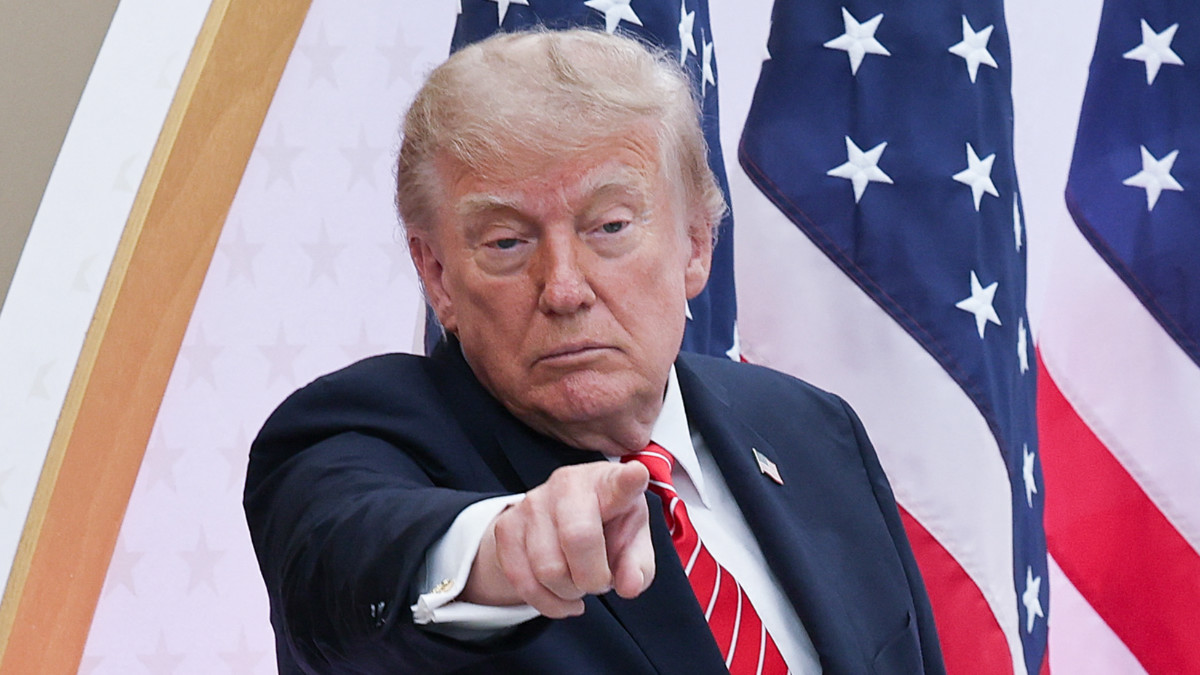
President Donald Trump announced that the United States would not launch attacks on Iran before the November 3 midterm elections. He said this pause applied to attacks “at any time” before voting. Trump also said the United States was having productive discussions with the Islamic Republic of Iran. The announcement directly addressed fears of an imminent escalation. The statement followed reports that the Pentagon was preparing to resume high-intensity strikes. Axios reported the preparations, while The Atlantic said Trump was weighing an attack before the elections. Those reports created uncertainty about whether military action was close, even before Trump publicly ruled it out. The announcement set a political and military boundary rather than ending the wider conflict. Fighting had largely subsided between the United States and Iran, but the countries were still contesting oil and gas flows. Energy prices remained high, creating a liability for Trump before elections that would determine control of Congress.
Based on reporting by Middle East Eye
What exactly did President Trump announce about possible US attacks on Iran before the November midterm elections?
President Donald Trump announced that the United States would not launch attacks on Iran before the November 3 midterm elections. He said this pause applied to attacks “at any time” before voting. Trump also said the United States was having productive discussions with the Islamic Republic of Iran. The announcement directly addressed fears of an imminent escalation.
The statement followed reports that the Pentagon was preparing to resume high-intensity strikes. Axios reported the preparations, while The Atlantic said Trump was weighing an attack before the elections. Those reports created uncertainty about whether military action was close, even before Trump publicly ruled it out.
The announcement set a political and military boundary rather than ending the wider conflict. Fighting had largely subsided between the United States and Iran, but the countries were still contesting oil and gas flows. Energy prices remained high, creating a liability for Trump before elections that would determine control of Congress.
Why did reports of possible new attacks on Iran cause oil prices to rise even before any new attack occurred?
Oil prices respond to expected supply risks, not only to actual shortages. Reports that Washington might resume high-intensity strikes on Iran raised fears of a wider regional war. Traders could reasonably expect more attacks on vessels, interruptions near the Strait of Hormuz, or damage to energy facilities. Those risks can lift prices before any new US attack occurs.
The timing intensified the reaction. Brent, the international oil benchmark, rose 4.5 percent on Thursday. The article also reported that Iran had attacked another vessel. One tanker was hit off Qatar, and another was attacked off Oman, adding a real shipping danger to the military warnings.
Markets were already under pressure. Middle Eastern refineries were not operating at full capacity, and refined-product flows through Hormuz were about half their pre-war level. The price increase therefore reflected both fear of future disruption and evidence that energy movements were already constrained.
What is Brent crude, and why is it used as an international benchmark for oil prices?
Brent crude is a benchmark price for oil. It is based on crude grades associated with the North Sea and is widely used in international trading. The article calls Brent the international oil benchmark because its price provides a common reference for cargoes, contracts, and market reports around the world.
A benchmark makes different oil transactions easier to compare. Traders can price a shipment by referring to Brent and then adjusting for factors such as quality, location, and transport costs. When Brent rises, it often signals that markets see tighter supply or greater disruption risk. Its movement therefore gives a quick snapshot of global oil anxiety.
In this article, Brent climbed 4.5 percent as reports pointed to possible new US attacks on Iran and a vessel was attacked. That rise did not prove that global supplies had already collapsed. It showed that traders were pricing in the danger of future disruption.
How large were the reported energy disruptions, including the 14 percent rise in US diesel prices and oil flows through Hormuz reaching about 90 percent of pre-war levels?
The figures show a mixed energy picture. Oil flows through the Strait of Hormuz reached almost 90 percent of pre-war levels in late September, according to Kpler. That suggests most crude movement had resumed. Yet energy prices remained high, and the recovery did not apply equally to refined fuels.
The clearest consumer impact was US diesel. Its price rose 14 percent in one month to around $6 per gallon. Middle Eastern refineries were still operating below full capacity. The flow of refined petroleum products through Hormuz was roughly half of pre-war levels, making fuel markets tighter than the crude-flow figure alone suggests.
Together, the numbers indicate partial recovery alongside major strain. Crude shipments were near earlier levels, but processing and product transport remained weaker. That imbalance helped keep energy costs elevated and created political pressure for Trump before elections that would decide control of Congress.
What consequences could attacks on tankers, airports, and shipping routes have for businesses, travelers, and consumers in the region?
Attacks on tankers, airports, and shipping routes can spread disruption beyond the immediate targets. Businesses may face delayed cargoes, damaged infrastructure, higher transport costs, and difficulty obtaining fuel. Travelers can encounter airport closures, cancelled flights, or dangerous routes. Consumers may ultimately pay more for fuel and goods moved through the affected region.
The article shows how these risks connect. Tankers were attacked near Qatar and Oman, while Houthi strikes targeted Abha International Airport and King Khalid International Airport in Riyadh. The Houthis struck Riyadh’s airport again the following day. Such incidents threaten both commercial movement and civilian travel, even when the full scale of disruption is unclear.
Energy markets were already feeling pressure. Diesel prices in the United States rose 14 percent, and refined-product flows through Hormuz were about half of pre-war levels. Continued attacks could deepen shortages, increase delays, and keep prices high across regional and international supply chains.
Who are the Houthis, why are they fighting Saudi Arabia’s Yemeni allies, and why are Turkey and Pakistan becoming involved?
The Houthis are a Yemeni group fighting Saudi Arabia and its Yemeni allies. Saudi Arabia backs Yemen’s internationally recognised government, while the Houthis have received arms and training from Iran. The conflict has expanded into a regional struggle connected to shipping routes, Saudi security, and competing political partnerships.
Turkey and Pakistan became involved through a new joint defence pact with Saudi Arabia. The pact was activated this week. Turkey was reported to be sending air-defence systems and troops to protect the kingdom, while Pakistan said it was sending weapons. Pakistan denied reports that its warplanes were striking Houthi targets and described its role as defensive support.
Both countries want closer ties with Saudi Arabia and a larger role in regional security. However, they are wary of becoming trapped in a war with an Iran-aligned group near an international trade chokepoint. Turkey’s foreign minister stressed that the agreement was defensive, not offensive.
Why can fighting near narrow maritime chokepoints such as the Strait of Hormuz and Bab el-Mandeb affect global oil prices and supply chains?
A maritime chokepoint is a narrow route through which ships must pass between larger bodies of water. The Strait of Hormuz and Bab el-Mandeb are important in the article because fighting there can affect oil, gas, and wider trade flows. A threat in such a confined route can matter far beyond nearby countries.
The mechanism is straightforward. If tankers face attacks, ships may delay voyages, seek longer routes, or require extra protection. Those responses reduce available supply or increase transport costs. Traders may raise prices immediately because they cannot know how long the disruption will last. The article reports attacks on vessels near Qatar and Oman and a struggle over oil and gas flows.
The consequences were already visible. Hormuz oil flows reached nearly 90 percent of pre-war levels, but refined-product flows were about half of earlier levels. Continued fighting near either chokepoint could worsen shortages, raise prices, and disrupt supply chains.
Key Facts:
📌 Trump ruled out US attacks on Iran before November 3.
📌 He described discussions with Iran as productive.
📌 Reports had suggested the Pentagon was preparing new strikes.
📌 Brent rose 4.5 percent amid escalation reports.
📌 Two vessels were attacked near Qatar and Oman.
📌 Refined-product flows through Hormuz were half pre-war levels.
📌 Brent is described as the international oil benchmark.