News · Politics & Governance
Netanyahu's handling of Oct. 7 emerges as key issue in Israeli election
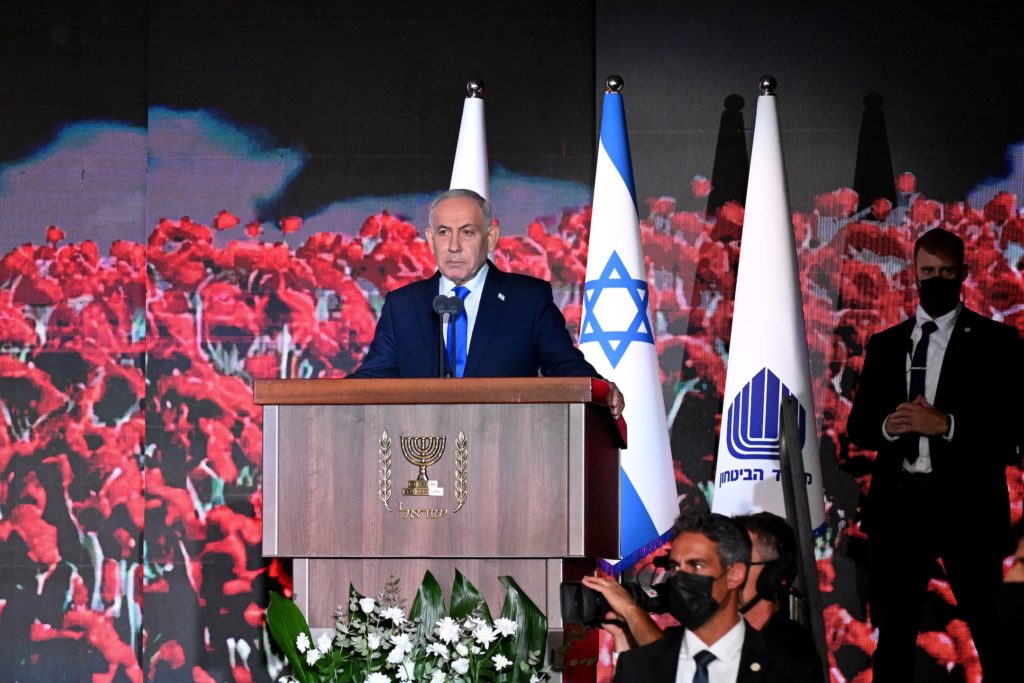
Responsibility for the October 7 attacks has become Israel’s central election question because it tests Netanyahu’s leadership. Voters are weighing whether the prime minister or the security system failed before and during the assault. The answer could determine whether Netanyahu extends his record tenure after elections in less than three weeks. Opposition candidates, led by Gadi Eisenkot in a coalition, say Netanyahu underestimated Hamas and was unprepared. They argue he failed to respond effectively as the attack unfolded. Netanyahu and his allies blame intelligence chiefs and military generals. They say those officials withheld information and failed to wake him promptly. That dispute matters because it connects a national trauma to a direct choice at the ballot box. The attacks remain the shadow over the campaign, while Netanyahu faces questions about what he knew beforehand. Voters must decide whether elected leaders or security officials bear primary accountability. That choice will shape Israel’s next government and future policies.
Based on reporting by PBS NewsHour
Why has responsibility for the October 7 attacks become the central issue in Israel's election?
Responsibility for the October 7 attacks has become Israel’s central election question because it tests Netanyahu’s leadership. Voters are weighing whether the prime minister or the security system failed before and during the assault. The answer could determine whether Netanyahu extends his record tenure after elections in less than three weeks.
Opposition candidates, led by Gadi Eisenkot in a coalition, say Netanyahu underestimated Hamas and was unprepared. They argue he failed to respond effectively as the attack unfolded. Netanyahu and his allies blame intelligence chiefs and military generals. They say those officials withheld information and failed to wake him promptly.
That dispute matters because it connects a national trauma to a direct choice at the ballot box. The attacks remain the shadow over the campaign, while Netanyahu faces questions about what he knew beforehand. Voters must decide whether elected leaders or security officials bear primary accountability. That choice will shape Israel’s next government and future policies.
What were the October 7 attacks, and what failures are Israeli politicians arguing about?
The October 7 attacks were a Hamas-led assault from Gaza against Israel, involving deadly attacks and the taking of hostages. They became a defining national trauma and now dominate Israel’s election campaign.
Opposition politicians, including Gadi Eisenkot’s coalition, blame Benjamin Netanyahu. They argue his government underestimated Hamas, failed to prepare adequately, and did not respond quickly enough. Netanyahu and his allies place responsibility on security and intelligence chiefs, saying generals failed to share warnings and did not wake him promptly.
The dispute concerns both political leadership and the country’s security system. It asks who understood Hamas’s intentions, who acted on available information, and who failed Israeli citizens. The issue remains central less than three weeks before elections, potentially deciding whether Netanyahu extends his record tenure. The source does not provide casualty or hostage totals.
What is a coalition government, and why might the party that wins Israel's election still be unable to govern alone?
A coalition government is a team of parties that share power. Israel uses proportional representation, so seats are divided among many parties. To govern, partners must agree on policies and control a majority of parliament.
The article describes opposition candidates led by Gadi Eisenkot as part of a coalition. That alliance combines several parties against Benjamin Netanyahu. Even if one party wins the most seats, it may lack enough support to govern alone.
Israel’s election is less than three weeks away, with October 7 central to the campaign. Netanyahu and his allies blame security and intelligence chiefs, while opponents blame his government. The winning party will therefore need allies, whose demands could shape the next government’s policies and stability.
How many seats are in Israel's Knesset, and how many does a coalition generally need to control the government?
Israel’s Knesset has 120 seats, making 61 the minimum for a governing majority. A coalition generally needs at least 61 lawmakers to control the government and pass legislation.
That requirement matters because voters elect parties, not a president directly. After an election, the party leader who can assemble enough parliamentary support usually receives the chance to form a government.
For example, Netanyahu has often governed through alliances among several parties rather than Likud alone. The article describes his opposition as a coalition led by Gadi Eisenkot, while his government includes extreme political members. Those partners can determine whether his government survives confidence votes. The article says elections were approaching, with responsibility for October 7 central to the campaign. Winning the most seats may not be enough; Netanyahu or an opponent must build a 61-seat alliance.
What are Netanyahu's opponents claiming he failed to do before and during the attacks, and how do Netanyahu and his allies respond?
Netanyahu’s opponents say he failed before and during the October 7 attacks. They argue his government underestimated Hamas’s intentions and capabilities, leaving Israel unprepared. They also say it failed to respond in real time, making responsibility central to the election.
Led by Gadi Eisenkot, opposition parties claim Netanyahu was “asleep at the wheel.” Their argument is that he should have recognized the danger earlier and taken stronger action before the attacks, then managed the immediate response more effectively.
Netanyahu and his allies reject that account. They blame security and intelligence chiefs and military generals, saying those officials withheld information and failed to wake him early enough for crucial decisions that morning. Elections are less than three weeks away. These competing explanations may shape whether voters keep Netanyahu in office.
What could happen if no party or alliance can form a governing coalition after the election?
If no party or alliance can assemble a governing majority, Israel may remain under a caretaker government. The president can give another candidate a chance to form a coalition. If everyone fails, parliament can dissolve, triggering another election.
A well-known example came between 2019 and 2022, when repeated coalition failures produced five elections in four years. Parties could win seats but still fail to agree on shared policies, leadership, or ministerial roles. That deadlock forced voters back to the polls.
The source says Israel’s election is less than three weeks away, with October 7 responsibility at its center. Opposition parties blame Netanyahu, while his allies blame security and intelligence chiefs. If no side can unite the necessary partners, Netanyahu could remain caretaker leader, or Israelis could face another campaign. The article does not provide forecasts about which outcome is most likely.
How do intelligence failures and democratic accountability work together when a government faces a major security disaster?
An intelligence failure explains what went wrong. Democratic accountability asks who made decisions, ignored warnings, or controlled the system. These are different questions, and both matter because citizens must judge leaders, agencies, and policies.
In Israel, opposition candidates led by Gadi Eisenkot argue that Netanyahu underestimated Hamas and was unprepared for October 7. Netanyahu and allies instead blame security and intelligence chiefs, saying they withheld information and failed to wake him promptly. That dispute shows the mechanism: investigations and elections test competing accounts, while institutions examine evidence.
Israel was approaching elections in less than three weeks, making responsibility a central campaign issue. Voters therefore weigh not only the attack itself, but oversight, warnings, preparation, and leaders’ responses. Going forward, credible investigations and unvarnished reporting can clarify failures without allowing political blame to replace evidence.
Key Facts:
📌 Elections are less than three weeks away.
📌 Gadi Eisenkot’s opposition coalition blames Netanyahu for underestimating Hamas.
📌 Netanyahu’s allies blame intelligence chiefs and military generals.
📌 The attacks were carried out by Hamas from Gaza.
📌 Opposition leaders blame Netanyahu for underestimating Hamas and failing to prepare.
📌 Netanyahu’s allies blame security and intelligence chiefs for withholding warnings.
📌 Israel’s election is less than three weeks away.