News · Defence & Security
Saudi Kindergarten Hit By Debris As Houthis Target Riyadh Airport
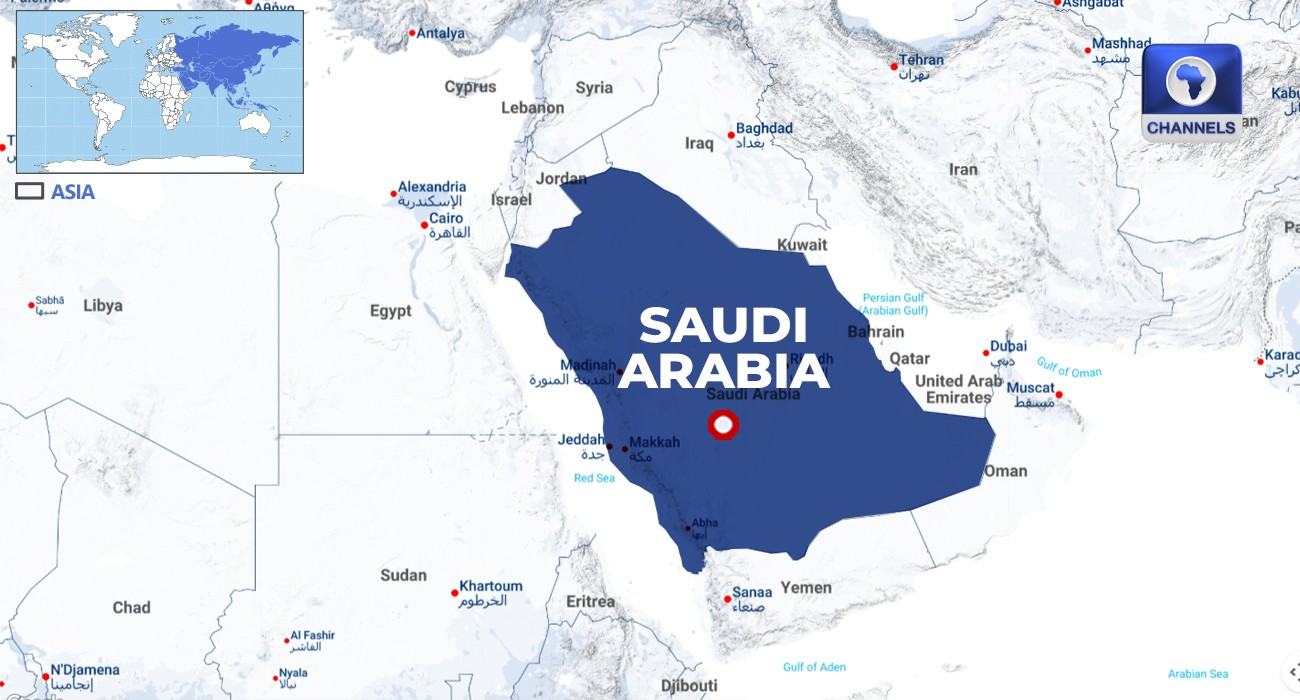
“Interception debris” means material that falls after a missile is engaged in the air. It may include pieces of the incoming weapon, the defensive interceptor, or both. The term matters because destroying a missile does not guarantee that every fragment disappears safely. Fragments can retain substantial speed as they descend. Metal sections, explosive components, fuel, or other parts may hit roofs, windows, vehicles, or people. Their impact can damage civilian sites even when the main missile is stopped. The article reports that debris damaged a kindergarten and a medical complex in Riyadh. Saudi Arabia’s civil defence agency reported the damage but did not provide casualty figures or detailed damage assessments. The article does not establish exactly which fragments caused each impact. It shows the continuing ground risk around missile attacks, even when air defences intercept incoming weapons.
Based on reporting by Channels TV
What does “interception debris” mean, and how could fragments from a destroyed missile damage a kindergarten or medical complex?
“Interception debris” means material that falls after a missile is engaged in the air. It may include pieces of the incoming weapon, the defensive interceptor, or both. The term matters because destroying a missile does not guarantee that every fragment disappears safely.
Fragments can retain substantial speed as they descend. Metal sections, explosive components, fuel, or other parts may hit roofs, windows, vehicles, or people. Their impact can damage civilian sites even when the main missile is stopped. The article reports that debris damaged a kindergarten and a medical complex in Riyadh.
Saudi Arabia’s civil defence agency reported the damage but did not provide casualty figures or detailed damage assessments. The article does not establish exactly which fragments caused each impact. It shows the continuing ground risk around missile attacks, even when air defences intercept incoming weapons.
What happened at Riyadh’s King Khalid International Airport and to nearby civilian buildings?
Riyadh’s King Khalid International Airport was targeted during several Houthi attacks announced on Thursday. Numerous flights were delayed or cancelled, although the airport itself did not immediately acknowledge the disruption. It instead advised passengers to contact their airlines before travelling.
Two witnesses saw cracks and holes in the fuselage of a Saudia plane. A source briefed on the matter said three planes suffered damage. The article does not state that all three belonged to Saudia, or explain whether missile fragments or another cause damaged them.
Civilian buildings near the capital were also affected. Saudi civil defence said interception debris damaged a kindergarten and a medical complex. It gave no casualty figures. The airport disruption and building damage show how attacks aimed at Riyadh’s airspace can affect transport and ordinary urban facilities.
How large was the attack, in terms of missiles intercepted, aircraft damaged, attacks announced, and flights delayed or cancelled?
The reported scale combined repeated attacks with significant disruption. Saudi Arabia’s coalition said it intercepted two missiles fired toward Riyadh. The Houthis announced three attacks against Riyadh airport on Thursday. Houthi spokesman Yahya Saree also announced missile launches toward Najran airport and Khamis Mushait airbase.
Aircraft damage was reported separately. Two witnesses saw cracks and holes in one Saudia plane, while a source briefed on the matter said three planes suffered damage. The article does not identify the cause of every aircraft injury or say whether all three were Saudia aircraft.
Passenger disruption was broad but not precisely quantified. Numerous flights at King Khalid International Airport were delayed or cancelled. The airport did not immediately confirm the disruption. It advised travellers to contact airlines before setting out, leaving the total number of affected flights unspecified.
What immediate consequences did the attacks have for passengers, schools, diplomats, businesses, and residents of Riyadh?
The attacks produced immediate safety measures across Riyadh. Diplomats were instructed to shelter inside their embassies after explosions echoed through the city. International schools took precautions, and at least one sent children into a basement. A parent described being completely distraught after receiving a call from her daughter.
Passengers faced delays and cancellations at King Khalid International Airport. The airport advised travellers to contact airlines before travelling. Some businesses in the King Abdullah Financial District reportedly evacuated staff. Residents did not receive the text alerts used during earlier attacks, according to the article.
The United States urged its citizens to exercise heightened vigilance. US government employees needed special authorisation to use the airport. Saudi authorities also warned residents against sharing unauthorised images or information about missiles, drones, and impacts. The measures show disruption extending beyond physical damage.
Who are the Houthis, what territory do they control in Yemen, and why are they attacking Saudi Arabia?
The Houthis are a Yemeni armed group whose heartlands lie among Zaidi Shia Muslims in the northwest. The article says they have controlled Sanaa and most of Yemen’s major population centres since the war began in 2014. They recently seized all of Yemen’s Red Sea coast and areas south of Taiz.
Their attacks have repeatedly targeted Riyadh, airports, and Saudi oil infrastructure. Houthi spokesman Yahya Saree announced strikes on Riyadh airport, Najran airport, and Khamis Mushait airbase. The group also warned workers to leave Saudi oil facilities after hitting a major refinery south of the capital.
The article describes the Houthis as Iran-backed and says they have vowed to hit critical infrastructure and disrupt Saudi airspace. It does not provide a fuller explanation of their political aims. Their attacks form part of the renewed Yemen conflict and have expanded risks for Saudi civilians, transport, and energy facilities.
How did Yemen’s civil war lead Saudi Arabia to form a coalition in 2015, and why has the fighting intensified again?
Yemen’s civil war began in 2014, when the Houthis already controlled the capital Sanaa and much of the country’s major population centres. Saudi Arabia formed a military coalition in 2015 to support Yemen’s internationally recognised government. The coalition and Yemeni government forces then fought to reverse Houthi gains.
The conflict later paused for four years before fighting resumed in July. The Houthis then launched a lightning offensive and seized all of Yemen’s Red Sea coast. Saudi Arabia and government forces answered with an ambitious counter-offensive aimed at retaking territory near a crucial sea route for global energy flows.
The article reports competing claims about battlefield gains. Yemen’s government said it pushed Houthi fighters from strategic coastal areas and Mocha, while the Houthis said they still held their territory. Independent verification was difficult because access for journalists was limited and events were moving quickly.
How do missile-defense systems detect and destroy incoming weapons, and why can an interception still threaten people and infrastructure on the ground?
Missile defence generally works in stages. Sensors detect and track an incoming weapon. Computers estimate its path and select a response. A defensive interceptor is then launched to collide with, explode near, or otherwise destroy the incoming missile before it reaches its target. The article directly reports an interception but does not identify the Saudi system used.
An interception can still create danger below. The incoming missile may break into fast-moving metal, explosive parts, or fuel. The interceptor also produces fragments and an impact blast. These pieces can fall across a wide area and strike roofs, windows, vehicles, or people. That is the likely meaning of “interception debris,” though the article does not identify the exact pieces involved.
In Riyadh, civil defence said debris damaged a kindergarten and a medical complex. Two missiles were reportedly intercepted, but three planes also suffered reported damage. The event shows that air defence can reduce the threat without eliminating risks on the ground.
Key Facts:
📌 Civil defence reported interception debris damaged a kindergarten and medical complex.
📌 The agency did not report casualties or detailed damage.
📌 The article does not identify the exact fragments causing each impact.
📌 A source said three planes suffered damage.
📌 Numerous Riyadh airport flights were delayed or cancelled.
📌 Debris damaged a kindergarten and a medical complex.
📌 The coalition said it intercepted two missiles fired toward Riyadh.