News · Economy & Business
Officials keen to redo renewable power deals
Thailand's officials are reviewing the terms of renewable power purchase agreements, or PPAs. These contracts set the price and conditions for buying electricity from producers. The review matters because the government is trying to curb high electricity bills and resolve long-standing problems with contract renewals. The effort focuses particularly on agreements involving small and very small power producers. Officials are also drafting a standard contract framework. That proposal is being sent to the National Energy Policy Council before going to the Office of the Attorney General. The government has not simply announced a completed change. Discussions are continuing, and only a small share of targeted operators has accepted the initial price proposal. The wider goal is a more effective renewal process and lower purchase costs, which could support reduced electricity tariffs if the revised terms take effect.
Based on reporting by Bangkok Post Thailand
What are Thailand's officials trying to change in the renewable power purchase agreements?
Thailand's officials are reviewing the terms of renewable power purchase agreements, or PPAs. These contracts set the price and conditions for buying electricity from producers. The review matters because the government is trying to curb high electricity bills and resolve long-standing problems with contract renewals.
The effort focuses particularly on agreements involving small and very small power producers. Officials are also drafting a standard contract framework. That proposal is being sent to the National Energy Policy Council before going to the Office of the Attorney General.
The government has not simply announced a completed change. Discussions are continuing, and only a small share of targeted operators has accepted the initial price proposal. The wider goal is a more effective renewal process and lower purchase costs, which could support reduced electricity tariffs if the revised terms take effect.
Which electricity producers and how many contracts are being targeted for revision?
The revision effort targets nearly 500 electricity contracts. These agreements involve small and very small power producers, the groups officials identified as especially relevant to the review.
The number is large, but acceptance of the government's first proposal remains limited. The National Economic and Social Development Council reported that only 2-3% of operators connected to the targeted contracts had accepted it. This means most agreements still require discussion or another decision.
The government is therefore working on a standard contract framework to handle the issue more effectively. Proposals are being submitted to the National Energy Policy Council before they are forwarded to the Office of the Attorney General. The process could shape how the nearly 500 contracts are renewed, although the article does not state that all will ultimately be changed on identical terms.
How much could the proposed purchase price fall, from about 3 baht to 2.15 baht per kilowatt-hour?
The government's initial proposal would reduce the purchase price of renewable electricity from about 3 baht to 2.15 baht per kilowatt-hour. The difference is 0.85 baht for every kilowatt-hour purchased.
In percentage terms, that is roughly a 28.3% reduction from the original 3-baht figure. The lower rate would apply only if producers accept the proposed change and the revised arrangements move through the government's approval process.
The price cut is part of a broader effort to curb high electricity bills. However, the article indicates that acceptance is still limited: only 2-3% of operators linked to nearly 500 targeted contracts had accepted the initial proposal. Therefore, the 2.15-baht figure is a proposal, not a confirmed nationwide price for every renewable generator.
What could happen to household and business electricity bills if producers accept lower rates?
If producers accept lower purchase rates, the cost of buying renewable electricity could decrease. The government says it is pressing to overhaul existing PPAs with private power producers to curb high electricity bills. That creates a possible path toward lower household and business tariffs.
For example, a proposed rate of 2.15 baht per kilowatt-hour would replace a rate of about 3 baht. The mechanism is simple: a lower contract price reduces the amount paid for each unit of electricity purchased. The eventual effect on customer bills would depend on how those savings pass through the electricity system.
The outcome remains uncertain. Only 2-3% of operators connected to nearly 500 targeted contracts had accepted the initial proposal. Officials are still reviewing conditions and developing a standard contract framework, so the article does not confirm a specific bill reduction or implementation date.
What is a renewable power purchase agreement, and who signs it?
A renewable power purchase agreement, or PPA, is a contract that sets the terms for buying electricity from a renewable-energy producer. It normally covers the price, contract period, amount of electricity, delivery conditions, and other responsibilities. The agreement gives both sides a shared plan for selling and buying power.
One side is the renewable generator, such as a solar, wind, hydro, or other qualifying producer. The other side is an electricity purchaser, commonly a utility, power authority, or government-backed buyer. Under the contract, the producer supplies electricity and the buyer pays the agreed rate.
In Thailand's case, officials are reviewing PPA conditions involving small and very small power producers. The article says the government wants a standard contract framework and is considering a proposed rate of 2.15 baht per kilowatt-hour. This definition uses established energy-sector knowledge beyond the article.
Why do governments sign long-term contracts to buy electricity from private renewable-energy producers?
Governments sign long-term renewable PPAs to make electricity projects easier to finance and operate. A guaranteed buyer and agreed price can give producers confidence that their electricity will have a market. This can support investment in generation capacity and help governments plan future electricity supply.
The contract also creates clearer responsibilities. Producers know what they must deliver, while the buyer knows the price and purchasing conditions. Long terms can reduce uncertainty, especially for projects that require substantial upfront spending and take years to recover their costs.
The source article does not explain why Thailand originally signed its PPAs. It does show why officials are now reconsidering them: the government wants to curb high electricity bills and address contract-renewal problems. Its proposed standard framework and lower purchase rate could change how these long-term arrangements work. This explanation combines established energy-sector knowledge with the article's stated objectives.
How does electricity move from a renewable generator through the power grid to the people and businesses that use it?
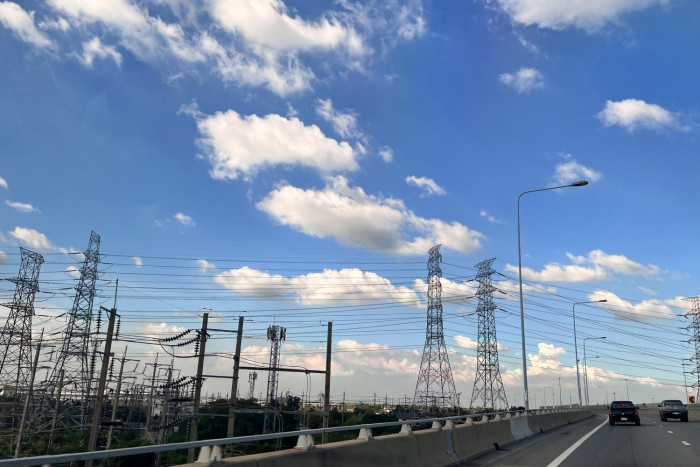
A renewable generator first converts sunlight, wind, flowing water, or another renewable resource into electricity. Power equipment then connects the generator to the electricity grid. The grid is a network of transmission lines, substations, and local distribution lines that carries electricity across distances.
Electricity usually travels through high-voltage transmission lines before substations reduce the voltage for local networks. Distribution lines then deliver it to homes, offices, factories, and other users. Grid operators coordinate generators and demand, keeping the system balanced as electricity is produced and consumed.
The source article does not describe this physical process. It focuses on Thailand's PPAs, which govern the purchase terms between producers and electricity buyers. The article's proposed rate change concerns what buyers pay producers; it does not specify how electricity flows through Thailand's grid or identify the operators managing that flow.
Key Facts:
📌 Officials are reviewing renewable power purchase agreement conditions.
📌 The review focuses particularly on small and very small producers.
📌 A standard contract framework is being drafted.
📌 Nearly 500 targeted contracts involve small and very small producers.
📌 Only 2-3% of operators accepted the initial proposal.
📌 The National Economic and Social Development Council reported the acceptance figure.
📌 The proposed rate is 2.15 baht per kilowatt-hour.