News · Economy & Business
Electric car sales jump nearly two-fold to 36,108 units in Sep: FADA
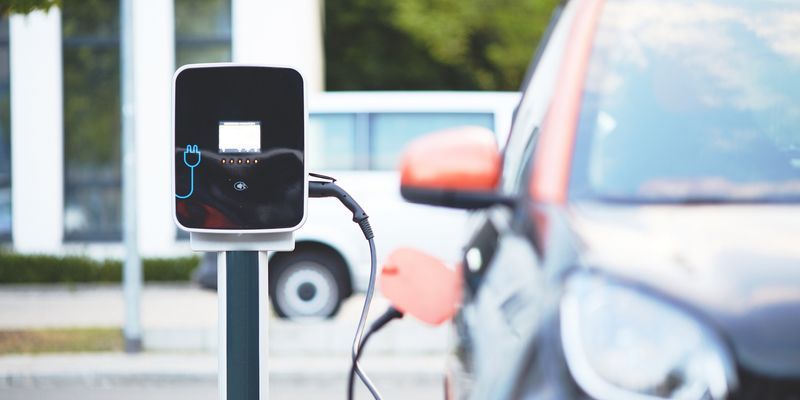
Electric passenger-vehicle retail sales nearly doubled year-on-year in September. Dealers sold 36,108 units, compared with 18,559 in the same month last year. This matters because passenger EVs reached their highest-ever monthly retail level, showing that electric cars are moving beyond a niche choice. The increase came as festive demand met a wider selection of models and improving running-cost economics. FADA also pointed to continued policy support through PM E-DRIVE and state schemes. Together, these factors made EVs a more familiar option for buyers considering a new car. Passenger EV penetration rose to 8.5%, according to FADA. The result formed part of a broader EV record in September, when sales across categories reached 3,33,634 units, up 74% year-on-year. FADA said EVs are increasingly becoming a default consideration, rather than merely an alternative.
Based on reporting by YourStory
What happened to electric passenger-vehicle sales in September compared with the same month last year?
Electric passenger-vehicle retail sales nearly doubled year-on-year in September. Dealers sold 36,108 units, compared with 18,559 in the same month last year. This matters because passenger EVs reached their highest-ever monthly retail level, showing that electric cars are moving beyond a niche choice.
The increase came as festive demand met a wider selection of models and improving running-cost economics. FADA also pointed to continued policy support through PM E-DRIVE and state schemes. Together, these factors made EVs a more familiar option for buyers considering a new car.
Passenger EV penetration rose to 8.5%, according to FADA. The result formed part of a broader EV record in September, when sales across categories reached 3,33,634 units, up 74% year-on-year. FADA said EVs are increasingly becoming a default consideration, rather than merely an alternative.
How large was the overall EV market in September, and what share of all vehicle sales was electric?
The overall EV market reached 3,33,634 retail units in September, according to FADA. That was a 74% year-on-year increase and the highest monthly EV total recorded in India. The scale matters because it shows electric mobility is expanding across several vehicle categories, not just among early adopters.
Electric vehicles’ overall penetration rose to about 13% of vehicle sales, compared with 10% a year ago. Electric two-wheelers supplied the largest volume, with 2,07,314 units. Passenger EVs added 36,108 units, while three-wheelers remained strongly electric at 64.9% penetration.
This record gives the market greater weight in India’s automobile industry. FADA linked the growth to festive demand, a wider model choice, improving running-cost economics and policy support. It also said the September figure was an absolute record, not merely growth from a weak comparison base.
What is an electric vehicle, and how does it differ from a petrol- or diesel-powered vehicle?
An electric vehicle, or EV, is a vehicle powered by electricity stored in a battery or supplied through an electric system. An electric motor turns that stored energy into movement. Petrol- and diesel-powered vehicles instead burn fuel in an internal-combustion engine to create motion.
This difference changes how the vehicle uses energy. EVs are charged with electricity, while conventional vehicles are refuelled with liquid petrol or diesel. EVs also do not need the same combustion process while driving. The article does not provide a technical definition, but this is the standard meaning of the term used throughout its sales figures.
The distinction matters because EVs are now gaining ground across India’s market. In September, electric two-wheelers, passenger vehicles, three-wheelers and commercial vehicles all contributed to record sales. FADA linked the change to improving running-cost economics, more models and sustained policy support.
Which types of EVs drove the record, and why are electric two-wheelers especially important for mass-market adoption?
Electric two-wheelers were the biggest force behind September’s EV record. They reached 2,07,314 units, up 88% year-on-year, and achieved an 11.6% share of two-wheeler sales. FADA said more than one in nine retailed two-wheelers is now electric.
Two-wheelers matter because they represent a mass-market form of everyday transport. When electric models gain share in this category, adoption can spread beyond higher-priced passenger cars. Their large sales volume also means they can influence the total EV market much more quickly than smaller categories.
Other vehicle types contributed as well. Passenger EVs reached 36,108 units, three-wheelers had 64.9% electric penetration, and electric commercial vehicles grew more than 150% year-on-year. The mix shows that India’s EV growth is broadening, while two-wheelers remain its strongest volume engine.
How can rising EV sales affect fuel consumption, air pollution, and the automobile industry?
As more vehicles run on electricity, owners may buy less petrol or diesel for driving. That can reduce demand for conventional transport fuels. EVs also have no tailpipe combustion while operating, so greater use can help reduce exhaust pollution in places where they replace fuel-powered vehicles. The overall climate effect depends on how electricity is produced, which the article does not discuss.
The September figures show where this shift is happening. Electric two-wheelers reached 2,07,314 units, passenger EVs reached 36,108, and three-wheelers had 64.9% electric penetration. These sales represent vehicles that could otherwise have used petrol or diesel.
For the automobile industry, rising demand means more electric models, investment and dealer attention. FADA cited a widening choice of models and maturing running-cost economics. The record may encourage manufacturers and businesses to deepen fleet electrification, especially since electric commercial vehicles grew more than 150% year-on-year.
How do government programs such as PM E-DRIVE and state incentives encourage people and businesses to buy EVs?
Government programs can encourage EV purchases by improving the financial case and reducing uncertainty for buyers and businesses. Support may lower upfront costs, assist charging or encourage fleet adoption, depending on each program’s rules. The article specifically names PM E-DRIVE and progressive state schemes as sustained policy support.
The article does not list the exact incentives or eligibility conditions. It does say that policy support worked alongside festive demand, improving running-cost economics and a wider choice of models. These factors together helped turn EVs from an alternative into a default consideration for more buyers.
The results were visible across the market. September EV sales reached 3,33,634 units, while overall penetration rose to about 13%, from 10% a year earlier. Passenger EVs reached 36,108 units, and electric commercial vehicles grew more than 150% year-on-year. Continued support could help maintain this momentum, although the article gives no specific future target.
Why can an EV's lower running costs make it attractive even when its purchase price is higher than that of a conventional vehicle?
An EV can cost more to buy but less to operate. Its running cost depends mainly on the electricity needed for charging, while a petrol or diesel vehicle requires repeated fuel purchases. If those regular savings are large enough, they can gradually offset the higher upfront price. The article refers to this as maturing running-cost economics.
For example, a buyer who drives frequently may notice the difference sooner than someone who drives rarely. The exact saving depends on electricity prices, fuel prices, driving distance, charging access and maintenance. The article does not provide a rupee estimate, so no specific payback period can be calculated from its figures.
FADA connected better running-cost economics with September’s record sales, alongside festive demand, more models and policy support. Passenger EV sales nearly doubled to 36,108 units. As buyers become more confident about total ownership costs, EVs may increasingly become a default consideration rather than only an alternative.
Key Facts:
📌 Electric passenger-vehicle sales reached 36,108 units in September.
📌 September sales nearly doubled from 18,559 units last year.
📌 Passenger EV penetration rose to 8.5%.
📌 India recorded 3,33,634 EV retail sales across categories in September.
📌 Overall EV penetration rose to about 13%.
📌 EV sales increased 74% year-on-year.
📌 EVs are powered by electricity rather than petrol or diesel.