News · Markets & Finance
Oil prices ease after Trump rules out Iran attack before midterms
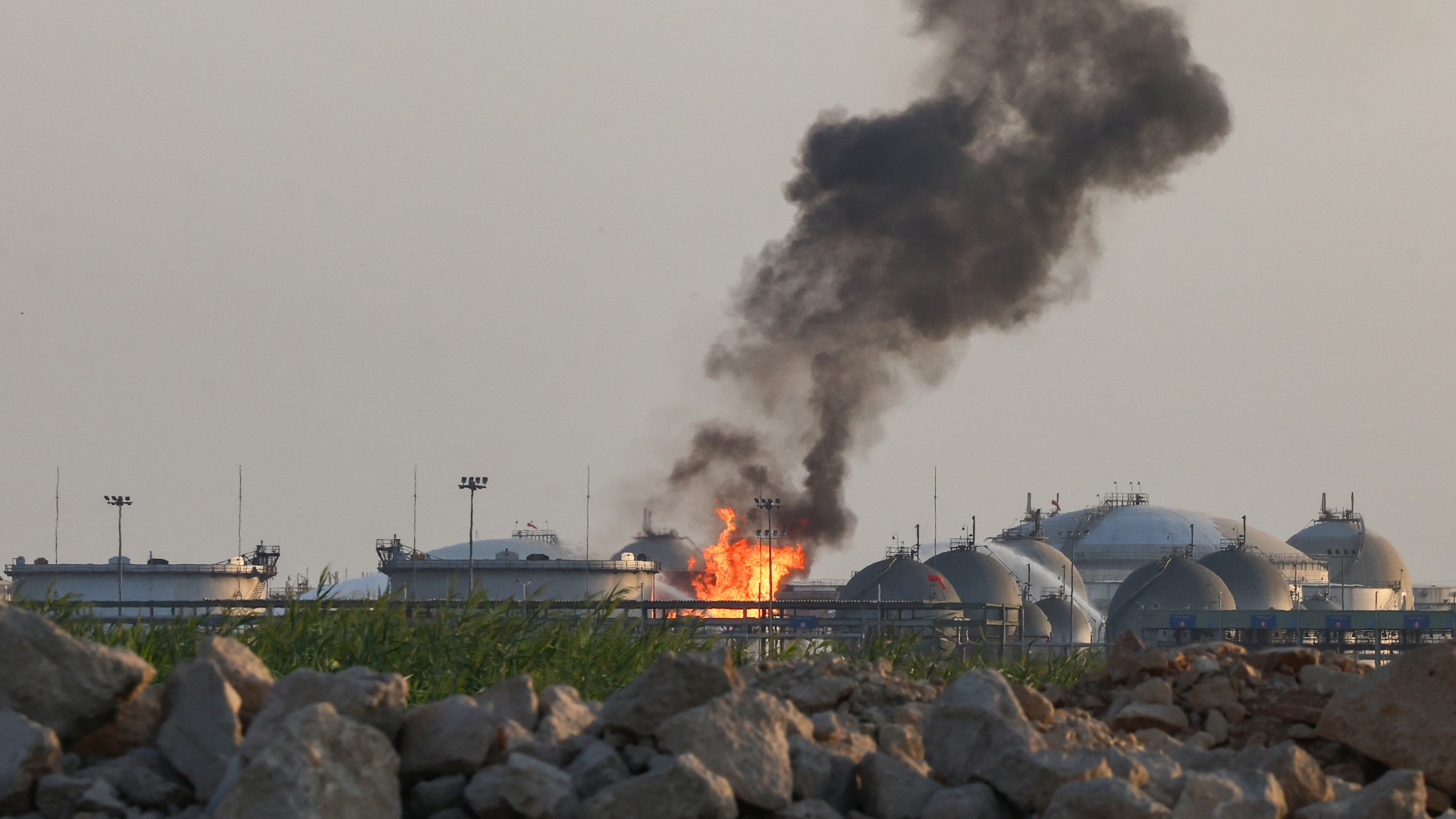
The key idea is that oil prices respond quickly to perceived risks around future supply. Trump ruled out a US attack on Iran before next month's midterm elections. He also said Washington was holding productive discussions with Tehran. Those comments reduced fears of an immediate military escalation, so prices eased slightly on Thursday. Earlier that day, reports suggested the United States might launch fresh strikes before the vote. Oil prices then soared. Traders reacted not only to actual supply losses, but also to the possibility that conflict could disrupt Iranian exports, shipping, or regional production. The market mechanism is expectation: greater perceived risk can push prices higher before any barrels disappear. The article does not provide a price figure or identify a specific benchmark. It shows, however, how rapidly political statements can move energy markets. For now, Trump's statement lowered attack fears. Prices could rise again if discussions fail, strikes return to the headlines, or traders see a greater chance of supply disruption.
Based on reporting by Middle East Eye
What did President Trump say about a possible US attack on Iran, and how did oil prices react?
The key idea is that oil prices respond quickly to perceived risks around future supply. Trump ruled out a US attack on Iran before next month's midterm elections. He also said Washington was holding productive discussions with Tehran. Those comments reduced fears of an immediate military escalation, so prices eased slightly on Thursday.
Earlier that day, reports suggested the United States might launch fresh strikes before the vote. Oil prices then soared. Traders reacted not only to actual supply losses, but also to the possibility that conflict could disrupt Iranian exports, shipping, or regional production. The market mechanism is expectation: greater perceived risk can push prices higher before any barrels disappear.
The article does not provide a price figure or identify a specific benchmark. It shows, however, how rapidly political statements can move energy markets. For now, Trump's statement lowered attack fears. Prices could rise again if discussions fail, strikes return to the headlines, or traders see a greater chance of supply disruption.
Why can the threat of an attack on Iran make oil prices rise?
Oil prices reflect expected future supply as well as barrels available today. A threatened attack on Iran can raise prices because traders fear damage to production, export facilities, pipelines, or shipping routes. Even if no facility is hit, uncertainty can make buyers and sellers demand a higher risk premium.
For example, the article says prices soared after reports that the United States could launch fresh strikes before the midterm vote. The mechanism is straightforward: traders anticipate possible supply disruptions, bid for oil sooner, and push market prices higher. Refiners and fuel buyers may also seek protection against a future shortage, reinforcing the move.
The later easing shows that expectations can reverse quickly. Trump ruled out an attack before the elections and cited productive discussions with Tehran. That reduced the immediate perceived threat. Prices could still rise if talks break down or new reports suggest that Iranian supplies or regional transport are at risk.
What are US midterm elections, and why can they influence the timing of major government decisions?
US midterm elections are congressional elections held about halfway through a president's four-year term. Voters choose members of the House of Representatives and, in many cycles, senators. These elections can change which party controls Congress, even when the president remains in office.
That political risk can influence timing. A president may weigh how military action could affect voters, fuel prices, national security, and congressional support. In this article, Republicans are fighting to keep control of both houses of Congress. Trump therefore ruled out attacking Iran before next month's vote and pointed to productive discussions instead.
The article does not prove that election concerns caused the decision. It does show the political setting surrounding it. A major attack before voting could create uncertainty and affect public opinion. After the elections, policy could change, but that outcome is not stated. The immediate result was lower fear of a near-term strike and slightly softer oil prices.
How significant are Iran’s oil production and exports to the global oil supply?
Iran has major oil reserves and is an important producer, but it is not the world's largest supplier. Its share of global production has varied substantially because sanctions, investment limits, and policy decisions can restrict output and exports. Recent estimates commonly place Iran's production at several percent of world supply, while exports vary by year.
The market impact can exceed Iran's percentage share. If buyers suddenly lose Iranian barrels, replacement oil may not arrive immediately. Available spare capacity, tanker access, insurance, and refinery compatibility all matter. A disruption can therefore tighten the global balance and lift prices, especially when inventories or spare production capacity are limited.
The supplied article gives no production or export figures, so it does not quantify Iran's role. It does show that possible US strikes caused oil prices to soar because traders feared further supply disruptions. Iran's importance is therefore both physical and strategic: its barrels matter, and conflict could threaten wider regional flows.
Why are US diesel prices at record highs, and how are diesel prices connected to crude oil and refining?
Diesel is made by refining crude oil, so crude prices are a major input cost. When crude becomes more expensive, refiners generally face higher costs, and diesel prices often rise. But the connection is not one-for-one. Refining capacity, maintenance, inventories, transportation, taxes, and local demand can widen or narrow the final price.
For example, if crude prices rise because traders fear an Iran-related supply disruption, refiners pay more for feedstock. If refineries are also operating near capacity or diesel inventories are low, wholesale diesel can rise faster. Refining margins, the gap between fuel prices and crude costs, can then become unusually large. Retail prices follow after distribution and taxes.
The article says US diesel prices are at record highs, but it does not identify their precise cause or provide a price. The Iran reports may add pressure through crude expectations. However, diesel prices also depend on refining conditions and domestic fuel markets, so the article alone cannot assign the record entirely to Iran-related fears.
If Iranian oil supplies were disrupted, what other countries, producers, or transport routes could help replace them?
If Iranian supplies were disrupted, replacement could come from producers with extra capacity or from countries that redirect existing exports. Saudi Arabia and the United Arab Emirates are especially important because they can sometimes increase output. Iraq, Kuwait, the United States, Brazil, Canada, and other producers could also add or redirect barrels, depending on grades, infrastructure, and market conditions.
Transport matters as much as production. Oil could move by tanker from alternative exporters, through pipelines, or from storage and strategic reserves. Gulf producers might send cargoes along available maritime routes, while US or Atlantic Basin barrels could reach other buyers. These options are not perfect substitutes because crude quality, refinery equipment, distance, and shipping costs differ.
Replacement would therefore be partial and uneven. Spare capacity may be limited, and new production takes time. A short disruption might be managed through inventories and redirected cargoes. A prolonged crisis could still tighten supplies and raise prices, especially if nearby routes or several producers faced risks at once.
What are crude oil prices, and how do global supply, demand, and expectations determine them?
Crude oil is unrefined petroleum, and its price is the amount buyers pay for a standardized grade at a particular market or location. Prices are global because oil is traded across borders and because major producers, refiners, traders, and consumers respond to the same broad supply-and-demand balance.
If expected supply falls or demand rises, prices usually increase. A feared attack on Iran is an example of a supply-risk shock: traders may expect fewer available barrels and bid prices higher before disruption occurs. If supply looks safer, as after Trump's statement, prices can ease. Inventories, spare capacity, transport costs, and financial trading also influence the move.
The article captures this expectation effect clearly. Prices soared after reports of possible strikes, then eased when Trump ruled out an attack before the midterms. It does not give price levels or demand figures. The broader lesson is that political news can change forecasts, and those forecasts can move crude prices immediately.
Key Facts:
📌 Trump ruled out attacking Iran before next month's midterm elections.
📌 Oil prices eased slightly after his statement.
📌 Prices had soared after reports of possible fresh strikes.
📌 Attack fears can raise oil prices before supplies are actually disrupted.
📌 Traders may price in risks to production and transport.
📌 Prices eased after Trump ruled out an attack before the elections.
📌 Midterm elections occur halfway through a presidential term.