News · Environment & Climate
Hurricane Isaias Shuts Down Nearly Two-Thirds of Gulf Oil Production
A production shut-in is a controlled, temporary halt to extracting oil or natural gas. Offshore operators use it when a hurricane threatens platforms, pipelines, workers, or equipment. The goal is to reduce hazards before severe weather arrives. The key mechanism is closing safety valves on wells. This secures the underground flow and helps reduce the risk of uncontrolled oil or gas releases. Operators then evacuate personnel and move some drilling rigs away from the storm’s path. Shell, for example, began shutting down production at several Gulf facilities, including Mars, Olympus, Ursa, Vito, and Appomattox. The Gulf shutdown is a precaution, not necessarily permanent damage. After Isaias passes, facilities must be inspected before production resumes. Undamaged installations can usually return quickly, while damaged ones may need longer repairs. The Marine Minerals Administration described these shut-ins as standard hurricane precautions.
Based on reporting by gCaptain
What does it mean to “shut in” offshore oil and gas production?
A production shut-in is a controlled, temporary halt to extracting oil or natural gas. Offshore operators use it when a hurricane threatens platforms, pipelines, workers, or equipment. The goal is to reduce hazards before severe weather arrives.
The key mechanism is closing safety valves on wells. This secures the underground flow and helps reduce the risk of uncontrolled oil or gas releases. Operators then evacuate personnel and move some drilling rigs away from the storm’s path. Shell, for example, began shutting down production at several Gulf facilities, including Mars, Olympus, Ursa, Vito, and Appomattox.
The Gulf shutdown is a precaution, not necessarily permanent damage. After Isaias passes, facilities must be inspected before production resumes. Undamaged installations can usually return quickly, while damaged ones may need longer repairs. The Marine Minerals Administration described these shut-ins as standard hurricane precautions.
How much Gulf oil and natural-gas production was shut down, and how many offshore platforms were evacuated?
Hurricane Isaias forced operators to shut in approximately 62.9% of daily U.S. Gulf of Mexico oil production. That equals about 1.28 million barrels per day. Natural-gas shutdowns reached 57.4% of daily output, or roughly 1.13 billion cubic feet per day. The scale rose sharply from about 25% of Gulf oil production offline Wednesday.
The evacuation figures show how widely the storm affected offshore operations. Operators evacuated 121 production platforms. Those platforms represented nearly one-third of the 371 manned platforms operating in the Gulf. Five non-dynamically positioned drilling rigs were also evacuated, while four dynamically positioned rigs moved away from the projected storm path.
These figures describe production and personnel precautions, not confirmed permanent losses. The Marine Minerals Administration based its latest totals on reports from 12 offshore operators at 11 a.m. CDT Thursday. Further changes were expected as Isaias approached the coast.
Why do offshore operators evacuate workers and close safety valves before a hurricane arrives?
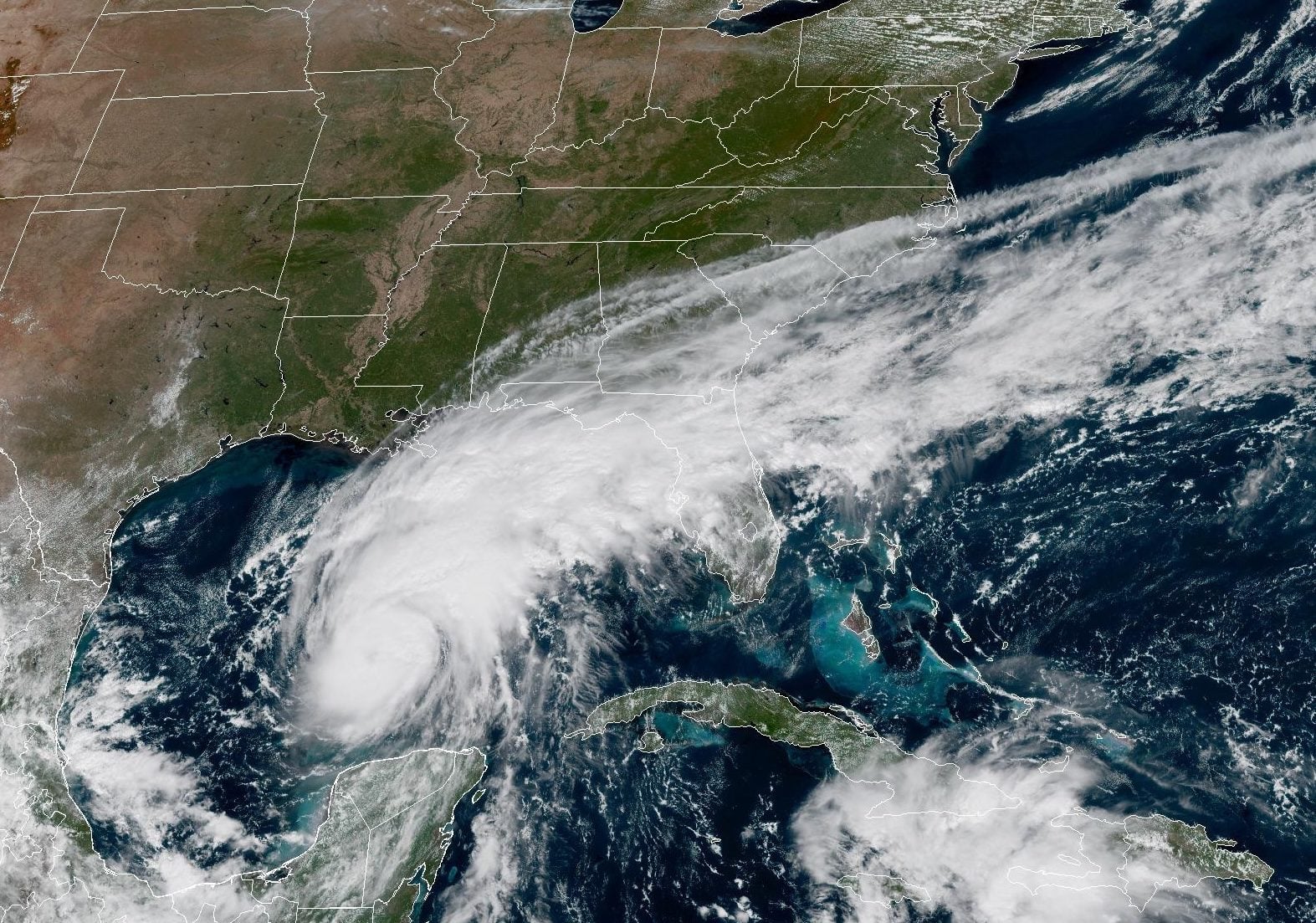
Offshore platforms become hazardous when a hurricane approaches. Isaias was strengthening over the Gulf, with damaging winds, dangerous coastal flooding, and heavy rainfall expected. Dangerous seas and damaging winds could extend hundreds of miles beyond the projected track. Evacuating workers removes people from the most exposed facilities before conditions become too dangerous for transport or rescue.
Closing safety valves secures the wells during the shutdown. This reduces the risk of uncontrolled releases of oil and gas if equipment is damaged or operations are disrupted. Operators also move some drilling rigs away from the storm’s path. Shell and Chevron had already evacuated personnel and suspended production at several Gulf facilities.
The Coast Guard warned that rescue capacity could be significantly reduced or unavailable during the hurricane’s height. After the storm, facilities must be inspected. Production can restart quickly at undamaged installations, while damaged platforms may require extensive repairs.
What effects can a major Gulf production shutdown have on ports, tanker traffic, fuel supplies, and energy markets?
A major Gulf production shutdown can reduce the oil and natural gas available to U.S. refiners, utilities, traders, and exporters. It can also complicate maritime operations because ports may change conditions or pause activity while winds, flooding, and seas remain dangerous. The article specifically warns of possible port disruptions and says the storm adds pressure to global oil supplies.
The immediate mechanism is lost production. Isaias shut in about 1.28 million barrels of oil and 1.13 billion cubic feet of gas each day. Offshore facilities also need inspections before restarting. Tankers may face delays or altered routes if ports close. Separately, attacks on commercial shipping in the Strait of Hormuz have continued to constrain tanker traffic.
The exact effect on fuel prices, inventories, and energy markets depends on shutdown duration and replacement supplies. The article does not quantify those market effects. It does establish that Gulf disruptions add to existing pressure on global oil supplies and maritime transport.
What roles do offshore operators, the Marine Minerals Administration, the Coast Guard, and the National Hurricane Center play during the storm?
Offshore operators take direct protective action. They evacuate personnel, suspend production, close safety valves, and move some rigs away from the storm. The Marine Minerals Administration collects operator reports and publishes shutdown and evacuation figures. Its latest update covered 12 offshore operators.
The National Hurricane Center provides the storm forecast. Its Thursday advisory reported 85-mph winds, a location about 380 miles south of the Mississippi River mouth, and east-northeast movement at 10 mph. The Coast Guard prepares for impacts, warns mariners, announces port-condition changes through official channels, and helps restore port operations when safe.
These roles work together as conditions change. Forecasts identify the threat, operators protect people and wells, and the MMA measures the industrial response. The Coast Guard may have limited rescue capacity during the hurricane. Afterward, it supports life-saving operations and helps reopen maritime activity when conditions allow.
If Gulf production remains offline, what other sources or routes could help supply oil and natural gas to the United States?
A prolonged Gulf outage can be balanced by supplies from other parts of the United States, imports, stored inventories, or reduced demand. Oil could come from onshore fields and foreign producers. Natural gas could come from U.S. production outside the Gulf, pipeline imports, or liquefied natural gas imports through operating terminals. These options depend on available capacity and infrastructure.
For oil, alternative routes could include pipelines, rail, trucks, or ports outside the affected storm area. Refineries might also use crude from inventories or different suppliers. For gas, pipelines and LNG terminals could redirect flows where connections and receiving capacity exist. The Strategic Petroleum Reserve is another possible emergency oil source, though using it would require a government decision.
The article does not report that any of these alternatives were activated. It only states that Gulf production was shut in and that global supplies already faced pressure from Middle East shipping disruptions. The longer facilities remain offline, the more important replacement logistics become.
How does offshore oil and natural-gas production work, from extracting hydrocarbons beneath the seabed to transporting them ashore?
Offshore production begins with wells drilled through the seabed into underground formations containing oil, natural gas, or both. Pressure and downhole equipment bring the fluids up through the well. A platform or subsea system gathers the output and controls its flow. This is a general industry explanation; the article focuses on hurricane shutdowns rather than detailed production engineering.
At the facility, processing equipment typically separates oil, gas, water, and other materials. Safety systems regulate pressure and can close valves to stop flow. Oil and gas are then transported toward shore, usually through subsea pipelines connected to onshore terminals. Facilities may also use storage or loading systems, depending on their design.
The article highlights what happens during a storm: operators close safety valves, evacuate workers, and inspect facilities afterward. Undamaged installations can return to service quickly. Damaged ones may need extensive repairs. Exact equipment and transport arrangements vary by platform and field.
Key Facts:
📌 Shut-in production is a temporary, controlled halt to extracting oil or gas.
📌 Operators close safety valves before evacuating offshore personnel.
📌 Facilities are inspected before production resumes after the storm.
📌 About 62.9% of Gulf oil production was shut in.
📌 Natural-gas shutdowns reached 1.13 billion cubic feet per day.
📌 Operators evacuated 121 production platforms.
📌 Evacuations move personnel out of the storm’s path.