News · Defence & Security
One person killed in second school knife attack in Poland in two days
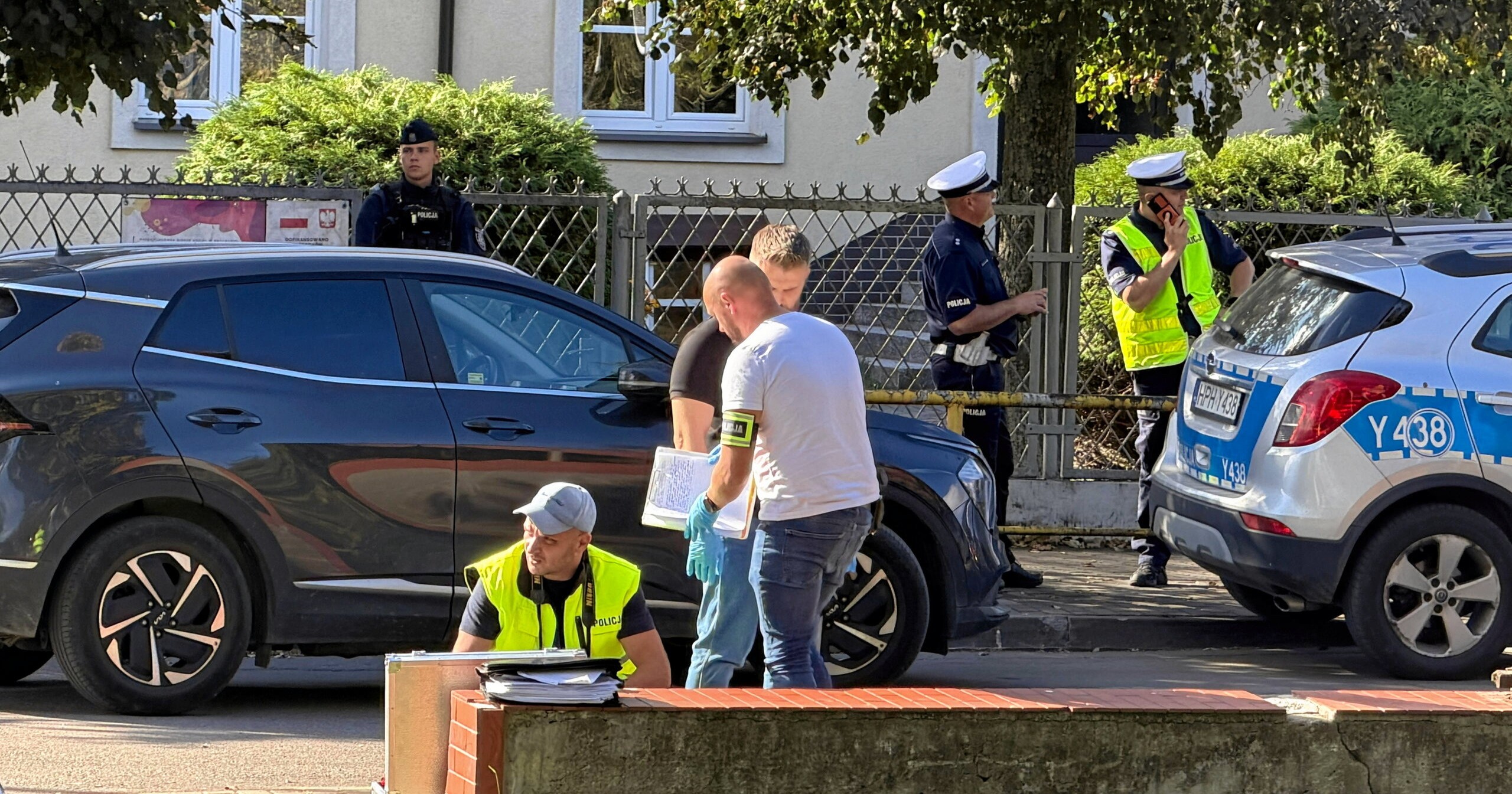
A 15-year-old former pupil entered the primary school in Leszczydół-Nowiny, northeast of Warsaw, on Thursday morning. He attacked three members of staff with a sharp instrument. The incident shocked Poland because serious violence in schools is normally rare. The victims were the principal, a teacher, and a 37-year-old female caretaker. The principal managed to subdue the teenager, helping police detain him within minutes. The caretaker died from her injuries. The teacher was taken to hospital, while the article does not give the principal’s medical condition. The attacker will appear before a family court, according to Gazeta Wyborcza. The case followed another school attack nearby the previous day, increasing concern about violence and radical ideas among young people. Officials are also examining online content and threats reported by students, teachers, and families.
Based on reporting by Notes from Poland
What happened at the primary school in Leszczydół-Nowiny, and who was harmed?
A 15-year-old former pupil entered the primary school in Leszczydół-Nowiny, northeast of Warsaw, on Thursday morning. He attacked three members of staff with a sharp instrument. The incident shocked Poland because serious violence in schools is normally rare.
The victims were the principal, a teacher, and a 37-year-old female caretaker. The principal managed to subdue the teenager, helping police detain him within minutes. The caretaker died from her injuries. The teacher was taken to hospital, while the article does not give the principal’s medical condition.
The attacker will appear before a family court, according to Gazeta Wyborcza. The case followed another school attack nearby the previous day, increasing concern about violence and radical ideas among young people. Officials are also examining online content and threats reported by students, teachers, and families.
How many school attacks, threats, and victims were reported in Poland during the two days described?
The two-day period involved two completed school attacks and one separately reported threat. The first occurred in Ostrołęka on Wednesday, where a 19-year-old attacked a vocational high school. The second happened Thursday in Leszczydół-Nowiny, where a 15-year-old former pupil stabbed school staff.
The Ostrołęka attack injured eight people according to the article’s opening account: four students, two teachers, and two bystanders. The Leszczydół-Nowiny attack harmed three employees. Together, that makes 11 victims in the completed attacks, including one death and ten reported injuries. A later police estimate for Ostrołęka mentioned seven potentially injured people, creating a discrepancy in the reports.
On Thursday, police also detained a 17-year-old who allegedly threatened another school attack and possessed two knives. A separate 13-year-old case from the previous week was also mentioned, but it falls outside the two-day total.
What is radicalisation, and why are Polish officials applying that term to some young people’s online activities?
Radicalisation is the process by which a person adopts increasingly extreme ideas and may come to accept violence as justified or necessary. It does not mean that every person with disturbing thoughts will commit a crime. The term matters here because officials are trying to understand several warning signs appearing around young people.
The education minister cited concern about radicalisation among youth and called for tougher controls on online content. Police said the detained 17-year-old had searched online for how to carry out a bloody act. Last month, three teenagers were detained over alleged online groups promoting neo-Nazism and violence; one was accused of planning attacks on a school and mosque.
These cases show why authorities are watching online activity alongside real-world behaviour. The article describes threats, weapons, violent statements, and planning, not merely unpopular opinions. Officials are considering stronger online safeguards while police respond to specific risks reported by students and teachers.
Why will the 15-year-old attacker appear before a family court rather than an ordinary criminal court?
The 15-year-old attacker will appear before a family court, according to Gazeta Wyborcza. The article does not describe the court’s procedure or explain the legal reasoning in detail. The immediate fact is that the suspect is 15, so authorities are treating him as a juvenile rather than announcing an ordinary adult criminal proceeding.
This differs from the Ostrołęka case, where the suspect was 19 and prosecutors discussed criminal consequences. Justice minister Waldemar Żurek said prosecutors would ensure that the perpetrator answered for every blow and faced legal consequences. The two cases therefore involve different ages and different legal pathways.
A family court can address a minor’s responsibility and welfare under juvenile procedures. The exact outcome depends on Polish law, the evidence, and the court’s assessment. The article only confirms the planned appearance; it does not state the possible sentence or whether the case could later move elsewhere.
How did students, teachers, and police help prevent the threatened attack by the 17-year-old?
The threatened attack was stopped before violence occurred because warning signs were reported quickly. Fellow pupils told teachers that the 17-year-old had announced he wanted to “do something bad at school.” This gave adults and police a specific concern to act on rather than leaving the threat unnoticed.
Police detained the teenager in Masovia province and found two knives in his possession. Interior minister Marcin Kierwiński also said investigators found searches about how to carry out a bloody act in the suspect’s internet history. The article credits the students’ alertness, the teacher’s response, and the police action with preventing the possible attack.
The case shows how prevention can depend on a chain of actions: peers report troubling statements, school staff pass on the information, and police investigate quickly. It also explains why officials are discussing online content and youth radicalisation. Early reporting cannot prove intent by itself, but it can allow authorities to assess an immediate risk.
What consequences could tougher controls on online content and children’s social-media use have for preventing violence?
Tougher controls on online content could reduce young people’s exposure to material that glorifies neo-Nazism, violence, or attacks. They could also help platforms and authorities identify threats sooner. The education minister called for such controls after officials linked several cases to online groups, violent searches, or planning.
The article gives a concrete prevention example. Police said the 17-year-old had searched for information about carrying out a bloody act and possessed two knives. If dangerous instructions or threats are detected and reported, schools and police may have more time to intervene. Students’ reports were also essential in this case.
Controls would not replace trusted adults, school safeguarding, or police investigations. Poorly designed rules could restrict lawful speech, invade privacy, or push harmful activity into less visible spaces. The likely practical focus is early warning: combine proportionate online monitoring with clear reporting channels, rapid assessment, and support for young people showing troubling behaviour.
How do societies distinguish between a young person expressing violent ideas, planning an attack, and carrying one out—and how should each stage be addressed?
Societies should distinguish these stages by examining context, specificity, capability, and behaviour. A disturbing opinion or vague statement is not automatically an attack plan. A named target, timeline, weapons, instructions, or attempts to prepare indicate a more urgent risk. Carrying out violence requires immediate protection for victims, emergency response, investigation, and legal accountability.
The article provides examples across the spectrum. Pupils reported that the 17-year-old wanted to do something bad at school; police then found two knives and searches about carrying out a bloody act. In Leszczydół-Nowiny, the 15-year-old carried out a stabbing, injuring three staff members and killing one. These cases required different responses because the evidence and harm differed.
Early-stage concerns should prompt safe reporting, mental-health or safeguarding support, and careful risk assessment. Credible preparation requires rapid coordination among schools, families, police, and relevant services. An attack requires medical aid, scene security, evidence gathering, and court proceedings. Responses should protect people without treating every troubling idea as proof of criminal intent.
Key Facts:
📌 A 15-year-old former pupil attacked three school employees.
📌 A 37-year-old caretaker died from her injuries.
📌 The principal subdued the attacker before police detained him.
📌 Two school attacks were reported on consecutive days.
📌 The completed attacks involved 11 victims based on the article’s main figures.
📌 Police also detained a 17-year-old after a reported school threat.
📌 The education minister warned of radicalisation among young people.