News · Defence & Security
France, Saudi Arabia weigh military options to protect Yanbu oil terminal, army chief says
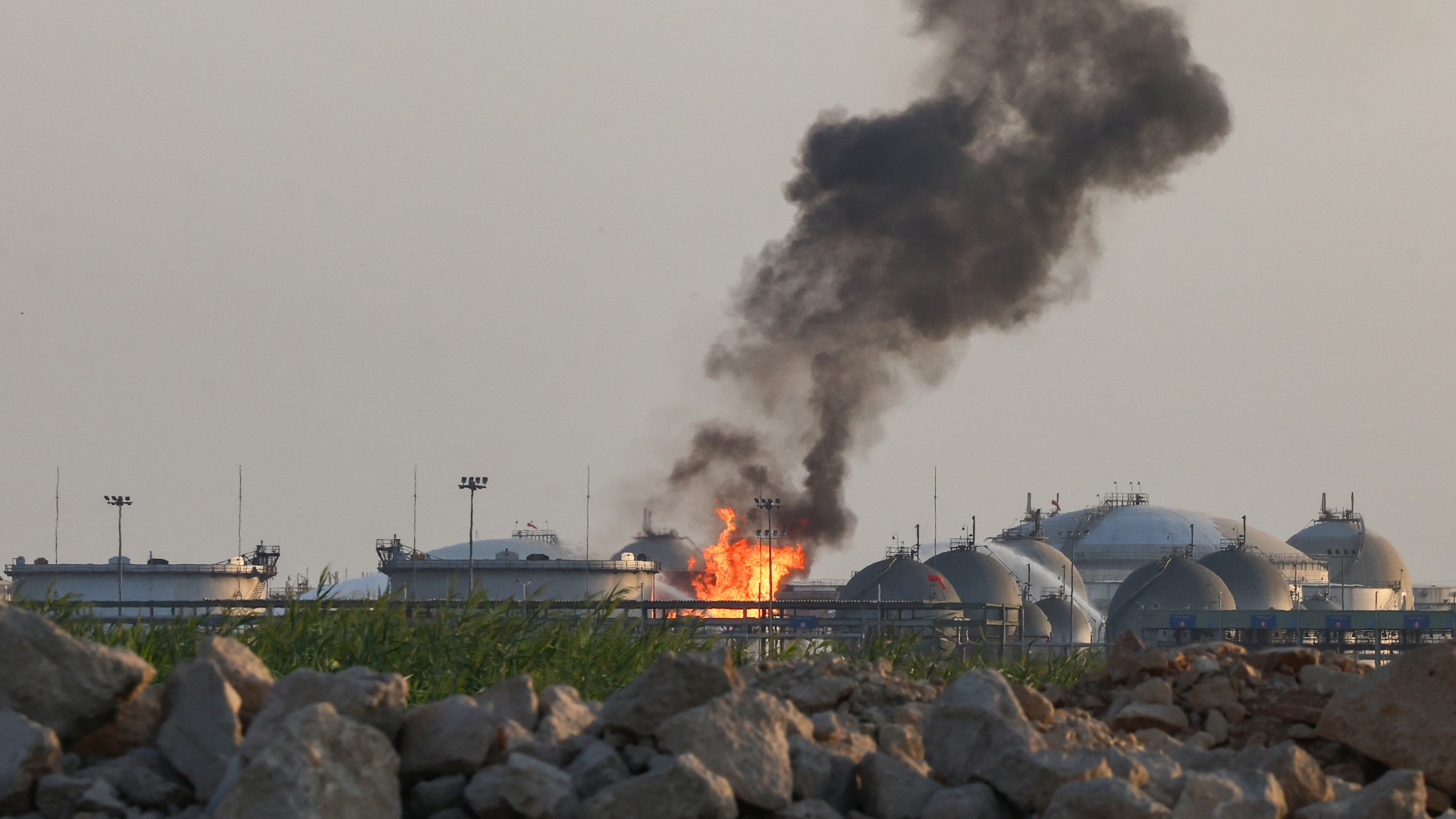
France and Saudi Arabia are examining ways to use French military assets to protect the Yanbu oil terminal. France’s Armed Forces Chief of Staff, General Fabien Mandon, said the discussions remain at the study stage. The article does not identify particular aircraft, ships, air-defense systems, or troop missions. The core mechanism is military protection around a vulnerable energy site. French forces could potentially help with surveillance, air defense, patrols, or rapid response, but those possibilities are not confirmed in the article. What is confirmed is that Yanbu has been attacked and is important to hydrocarbon trade. France has already deployed around 2,000 troops to the region to help protect Gulf allies, including Qatar and Kuwait. The new Saudi discussions show that protection may expand or be tailored to Yanbu. For now, both countries are evaluating options rather than announcing an operational plan.
Based on reporting by Middle East Eye
What military options are France and Saudi Arabia studying to protect the Yanbu oil terminal?
France and Saudi Arabia are examining ways to use French military assets to protect the Yanbu oil terminal. France’s Armed Forces Chief of Staff, General Fabien Mandon, said the discussions remain at the study stage. The article does not identify particular aircraft, ships, air-defense systems, or troop missions.
The core mechanism is military protection around a vulnerable energy site. French forces could potentially help with surveillance, air defense, patrols, or rapid response, but those possibilities are not confirmed in the article. What is confirmed is that Yanbu has been attacked and is important to hydrocarbon trade.
France has already deployed around 2,000 troops to the region to help protect Gulf allies, including Qatar and Kuwait. The new Saudi discussions show that protection may expand or be tailored to Yanbu. For now, both countries are evaluating options rather than announcing an operational plan.
What is the Yanbu oil terminal, and why is it important to Saudi Arabia's oil trade?
An oil terminal is a large facility where petroleum is received, stored, processed for shipment, and loaded onto export vessels or connected transport systems. In this article, Yanbu is identified as an oil terminal on Saudi Arabia’s Red Sea coast, although the text does not describe its exact equipment or capacity. Its role links Saudi production with buyers beyond the country.
The key mechanism is transfer. Oil moving from production areas reaches the terminal, where it can enter maritime or other export networks. A disruption there can delay shipments, reduce available export capacity, or force cargoes onto alternative routes. That makes terminal security important beyond the facility itself.
Yanbu matters because General Fabien Mandon called it essential for hydrocarbon trade. The terminal has also been attacked, creating a direct security concern. France and Saudi Arabia are therefore studying military options to protect its operations and preserve trade flows.
How many French troops have already been deployed to the Gulf region, and which countries are they helping protect?
France has already deployed around 2,000 troops to the Gulf region, according to General Fabien Mandon. Their stated purpose is to help protect France’s Gulf allies. The article specifically names Qatar and Kuwait among the countries receiving that protection.
This deployment provides an existing French military presence in the region. That matters because France would not be starting from zero if it agreed on a role around Yanbu. However, the article does not say that all 2,000 troops would move to Saudi Arabia, nor does it describe their individual missions or locations.
The deployment forms part of France’s broader response to attacks affecting Gulf security. France’s foreign ministry also expressed full solidarity with Saudi Arabia. As discussions continue, some existing capabilities could potentially support protection of Yanbu, but the article confirms only that several options are being studied.
Who are the Houthis, and why are they attacking Saudi airports and oil facilities?
The article identifies the Houthis as a group from Yemen. It does not provide a fuller description of their organization, leadership, or political aims. It reports that they said they were targeting Saudi airports and oil facilities with drones and missiles.
Their attacks affect both civilian transport and energy infrastructure. On Wednesday, Houthi attacks on two Saudi international airports, including one in Riyadh, killed at least three people and injured dozens. On Monday, the Houthis said they were targeting airports and oil facilities, after claiming an attack on an Aramco site in Riyadh on Saturday.
The article does not state a detailed reason for the campaign. It only connects the group to announced attacks against Saudi targets. Those attacks prompted France to express solidarity with Saudi Arabia and led France and Saudi Arabia to study military protection for Yanbu, an essential hydrocarbon terminal.
What could happen to Saudi oil exports and international hydrocarbon trade if attacks disrupt Yanbu?
If attacks damaged or closed Yanbu, Saudi Arabia could face delays in moving hydrocarbons to international buyers. The disruption could reduce the terminal’s available export capacity, interrupt scheduled cargoes, and increase pressure on other Saudi facilities. Because General Fabien Mandon called Yanbu essential for hydrocarbon trade, the effects could extend beyond Saudi Arabia.
The mechanism is straightforward: terminals are transfer points between petroleum production and export markets. Damage to storage, loading equipment, pipelines, or security systems could slow or stop shipments. Buyers might need to wait, use different supply sources, or accept longer and more expensive transport arrangements. The article does not identify which component is vulnerable.
The scale of any impact is uncertain because the article gives no capacity figures or outage estimate. France and Saudi Arabia are studying military options precisely because Yanbu has been attacked. Protecting the terminal could help keep Saudi exports and wider hydrocarbon trade moving.
What alternative Saudi oil terminals or export routes could be used if Yanbu were damaged or closed?
The article does not identify specific alternatives if Yanbu were damaged or closed. Based on established Saudi oil infrastructure, possible substitutes include eastern Gulf export terminals such as Ras Tanura and Ju’aymah, while pipelines and shipping arrangements could redirect some volumes. Exact options would depend on available capacity, damage, and the type of petroleum involved.
The mechanism is rerouting. Oil could move through another terminal, pipeline connection, or loading system instead of Yanbu. That would not automatically replace Yanbu’s full role. It could require different internal transport, new vessel scheduling, and adjustments for the destination market. Capacity and security would limit how much could be transferred.
Because the source provides no figures or named contingency plan, the actual effect cannot be measured from this article. The reported study of French military protection suggests Saudi Arabia is focused on keeping Yanbu operating. Alternative routes may reduce disruption, but they would not necessarily eliminate it.
How do oil terminals connect underground petroleum reserves to the global economy?
Underground petroleum reserves are connected to the global economy through a chain of wells, gathering systems, pipelines, storage tanks, and terminals. Wells bring crude oil or other hydrocarbons to the surface. Transport systems then carry them to a terminal, where they can be stored, measured, transferred, and loaded for delivery. The source does not describe Yanbu’s specific equipment.
The key mechanism is conversion from extracted resource to traded shipment. A terminal connects inland or regional supply with ships, pipelines, and international buyers. Once cargoes leave the facility, they can support fuel production, industrial activity, transport, and other economic uses in importing countries.
That connection explains why attacks on Yanbu matter. General Fabien Mandon said the terminal was essential for hydrocarbon trade and had been attacked. France and Saudi Arabia are studying military options to protect it, while France has already deployed around 2,000 troops to help protect Gulf allies.
Key Facts:
📌 France and Saudi Arabia are studying options involving French military assets.
📌 The discussions remain at the study phase.
📌 Yanbu has been attacked and is essential for hydrocarbon trade.
📌 Yanbu is a Saudi oil terminal.
📌 The terminal is essential for hydrocarbon trade.
📌 Yanbu has been attacked.
📌 France has deployed around 2,000 troops to the region.