News · Politics & Governance
Ghana Politics Explained, Who Holds Power in 2026
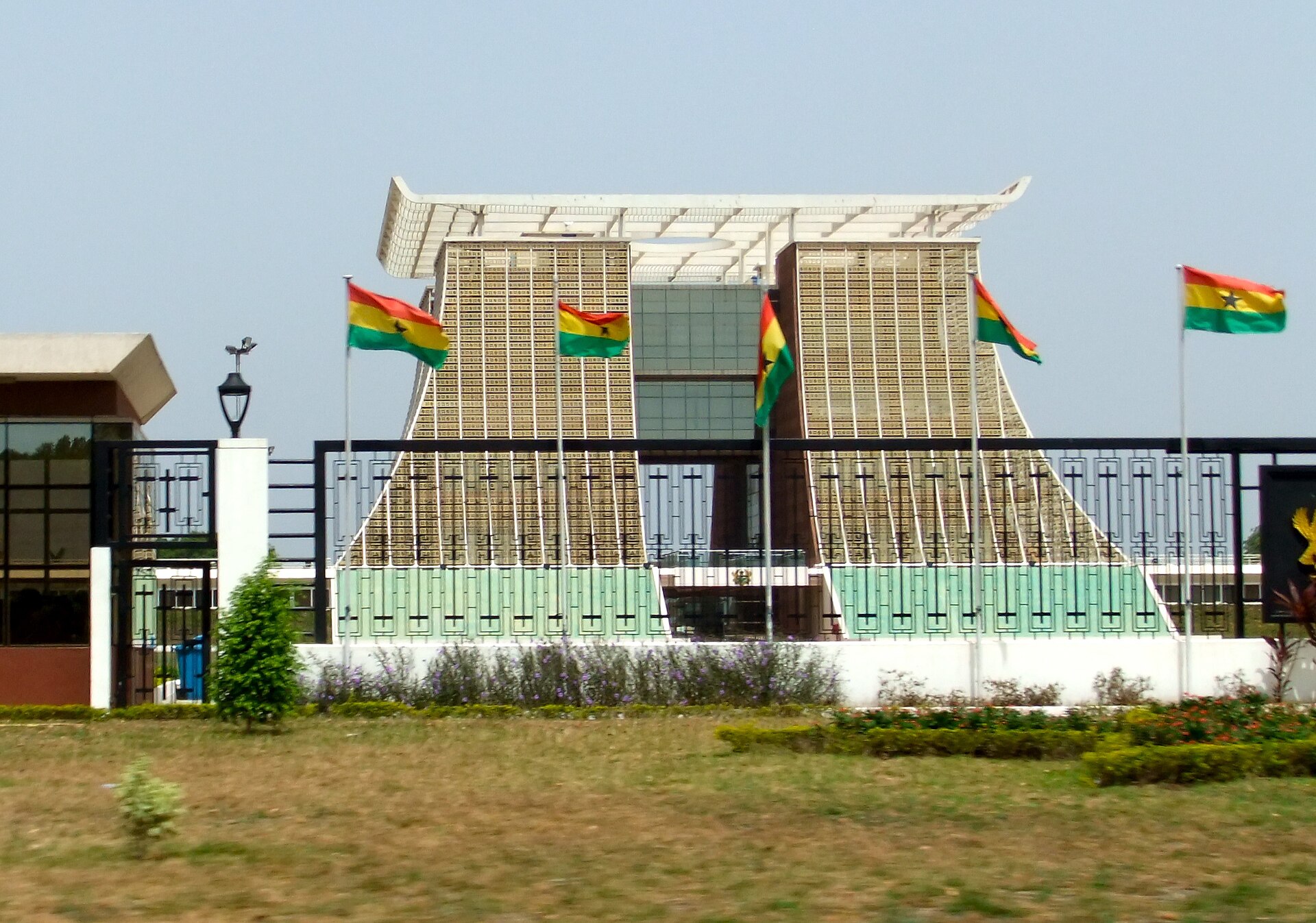
Ghana is governed by President John Mahama and the National Democratic Congress, or NDC. Mahama took office on 7 January 2025 after winning the December 2024 presidential election. His vice-president is Naana Jane Opoku-Agyemang, the first woman to hold that post. The NDC also controls Parliament. It has 185 seats, while the opposition New Patriotic Party, or NPP, has 87. This gives the governing party more than two-thirds of the chamber, strengthening its ability to pass legislation and shape government business. The political balance matters because Mahama is serving his second and final elected term. The NPP has already chosen John Boadu as its national chairman, but the NDC has not yet selected a 2028 presidential candidate. The governing party therefore has power today but must prepare for a succession contest.
Based on reporting by Brazil Rio Times
Who governs Ghana in 2026, and which parties control the presidency and Parliament?
Ghana is governed by President John Mahama and the National Democratic Congress, or NDC. Mahama took office on 7 January 2025 after winning the December 2024 presidential election. His vice-president is Naana Jane Opoku-Agyemang, the first woman to hold that post.
The NDC also controls Parliament. It has 185 seats, while the opposition New Patriotic Party, or NPP, has 87. This gives the governing party more than two-thirds of the chamber, strengthening its ability to pass legislation and shape government business.
The political balance matters because Mahama is serving his second and final elected term. The NPP has already chosen John Boadu as its national chairman, but the NDC has not yet selected a 2028 presidential candidate. The governing party therefore has power today but must prepare for a succession contest.
How many of Parliament’s 276 seats does the NDC control, and how does that compare with the NPP’s seats?
The NDC controls 185 seats in Ghana's 276-member Parliament. The NPP holds 87 seats. Together, those figures describe a chamber dominated by the governing party, rather than one evenly divided between government and opposition.
A two-thirds threshold in a 276-seat chamber is 184 seats. With 185 members, the NDC clears that mark by one seat. The number is therefore more than a simple majority: it gives the governing party a supermajority for parliamentary decisions that require two-thirds support.
This majority strengthens Mahama's government as it pursues its programme, branded “Resetting Ghana.” It also reduces the opposition's ability to block measures on its own. Still, the president cannot seek another term, so the NDC must eventually manage a leadership transition while holding this parliamentary advantage.
What is a two-thirds parliamentary majority, and why is the NDC’s 185-seat majority significant?
A two-thirds parliamentary majority means holding at least two-thirds of the chamber's full membership, not merely winning more seats than every other party. In Ghana's 276-seat Parliament, two-thirds is 184 seats. The NDC has 185, so it holds a one-seat margin above that threshold.
That matters because some parliamentary decisions require stronger support than an ordinary majority. The NDC can usually rely on its own members for such votes, rather than needing the NPP's cooperation. The governing party can therefore exercise greater control over legislation and parliamentary business.
The majority does not remove every constitutional safeguard. Ghana's Constitution contains procedures for constitutional amendments, and some provisions are protected as entrenched provisions. The article does not list those provisions in detail. Mahama also remains term-limited, so parliamentary strength cannot extend his presidency beyond the constitutional limit.
What can Ghana’s governing party do with two-thirds of Parliament, and which constitutional changes would still require a referendum?
A two-thirds majority gives Ghana's governing party more than routine control of Parliament. The NDC can pass measures requiring two-thirds support using its own 185 members, without depending on the NPP's 87 lawmakers. That makes the government better placed to advance legislation and other parliamentary decisions.
The majority does not let Parliament rewrite the Constitution freely. Ghana's constitutional amendment process distinguishes between ordinary provisions and entrenched provisions. Entrenched provisions require approval in a national referendum, so a parliamentary supermajority alone is insufficient. The supplied article does not identify every provision in that protected category.
This distinction matters for Mahama's future. The review committee concluded that the two-term limit applies whether terms are consecutive and proposed no change to it. Parliament's current numbers could support political and legislative action, but they cannot by themselves erase constitutional safeguards that require a referendum.
Why can President John Mahama not run for president again in 2028?
John Mahama cannot run for president again in 2028 because Ghana's 1992 Constitution limits every person to two elected presidential terms. Mahama is serving his second and final elected term, which began on 7 January 2025.
His earlier presidency ended in January 2017, so his two terms were not consecutive. That does not create an exception. Mahama's Constitution Review Committee specifically found that the limit applies whether the two terms are consecutive or separated by time. It proposed no change to the clause.
The rule has shaped Ghana's political calendar. The presidency will be open to a new candidate in 2028, even though Mahama's NDC controls Parliament with 185 seats. The party has not yet chosen its candidate. By contrast, the opposition NPP has already elected John Boadu as national chairman, while its wider presidential contest remains part of the coming political cycle.
How are Ghana’s president and members of Parliament elected, and why can voters choose a president from one party and an MP from another?
Ghana uses separate presidential and parliamentary elections held on the same day. A presidential candidate must win a majority of valid votes in the first round. If nobody does, the leading candidates face a run-off. Parliament has 276 members, with one member elected from each constituency.
Because voters make two choices, they do not have to support the same party in both contests. A voter can choose one party's presidential candidate and another party's parliamentary candidate. Ghanaians call this pattern “skirt and blouse” voting. It reflects the separate ballots and separate constituencies involved.
The result can split political power. A president may win nationally while rival parties control Parliament, making governing more difficult. Ghana's review committee warned about that possibility. In 2026, however, Mahama's NDC controls both the presidency and 185 parliamentary seats, giving the government a strong legislative base.
What does it mean that Ghana has a hybrid presidential and parliamentary system, and how does requiring most ministers to be MPs affect the balance of power?
Ghana's system is hybrid because the president is both head of state and head of government, while Parliament plays a direct role in forming the executive. The president is elected nationally, and MPs are elected by constituency. The arrangement combines presidential leadership with a parliamentary-style connection between ministers and lawmakers.
Article 78(1) requires most ministers to be drawn from Parliament. Those ministers keep their seats while serving in the cabinet. This gives the president a government team with parliamentary experience and ties ministers directly to legislative voting and debate.
The arrangement can also blur the line between executive and legislative power. Ghana's Constitution Review Committee said the rule has been blamed for weakening Parliament, because many MPs who should scrutinise government are also part of it. Article 76(1) caps the cabinet at 19 ministers. The balance remains important while the NDC uses its large parliamentary majority.
Key Facts:
📌 John Mahama has been president since 7 January 2025.
📌 The NDC controls Ghana's presidency and Parliament.
📌 The NDC holds 185 of Parliament's 276 seats.
📌 The NDC holds 185 of Parliament's 276 seats.
📌 The NPP holds 87 parliamentary seats.
📌 The NDC exceeds two-thirds by one seat.
📌 Two-thirds of Ghana's 276 seats is 184 seats.