News · Politics & Governance
U.S. suspends green card path for H-1B workers at Microsoft and Adobe — labor certification program blocked due to alleged fraud
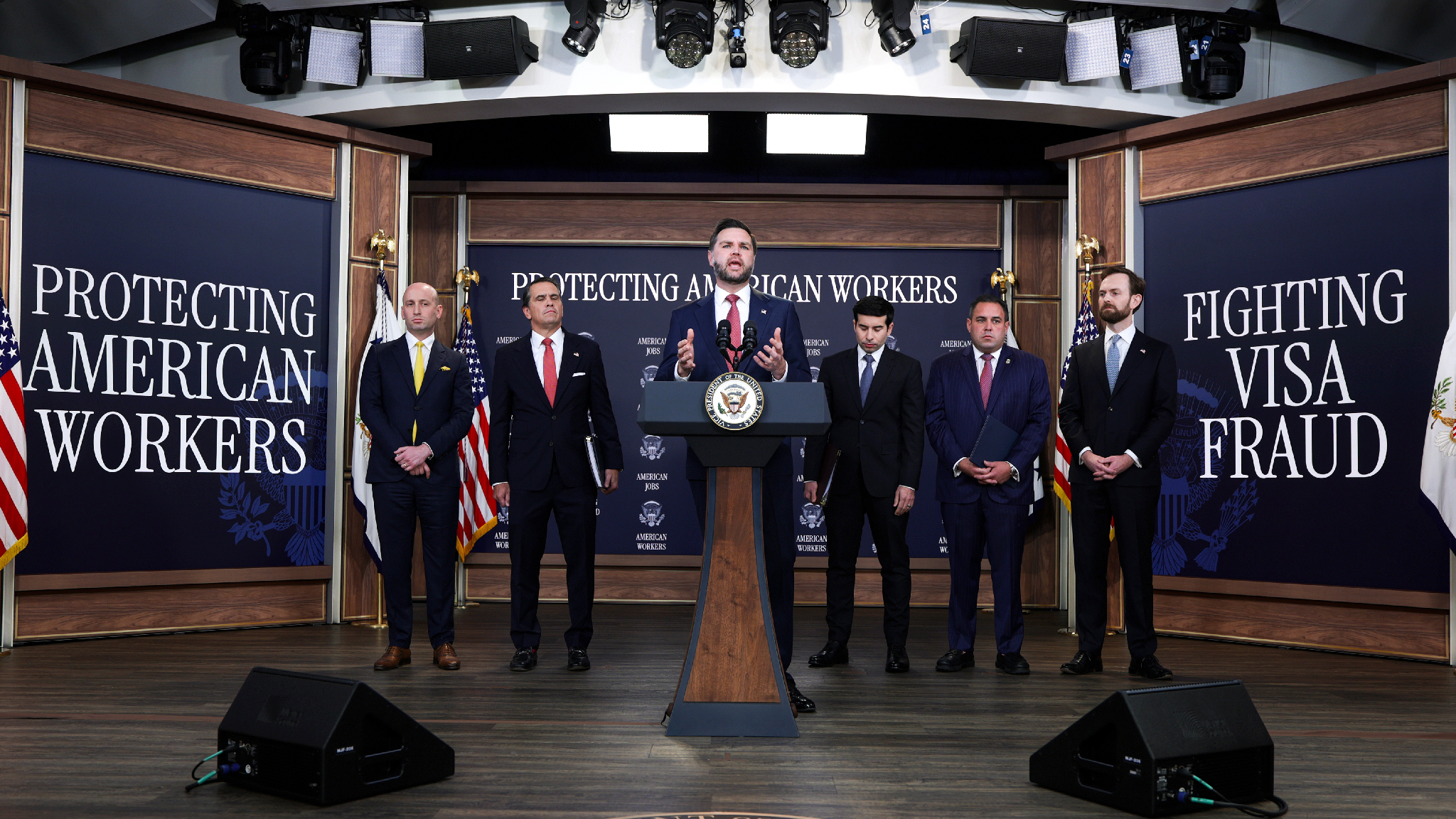
The Labor Department stopped processing new or pending PERM applications for Microsoft, Adobe, Cognizant, Infosys, Tata Consultancy, Wipro, HCL, and Capgemini. PERM applications are used in one possible employment-based route from H-1B employment toward permanent residence. The action therefore affects both companies and workers seeking that route. The stated trigger was alleged fraud and abuse. Labor Secretary Keith Sonderling said Microsoft and Adobe lost PERM privileges because of multiple active federal investigations. Vice President JD Vance also accused Microsoft of replacing laid-off workers with foreign H-1B workers, though the article does not provide investigative evidence or legal findings. The suspensions fit a broader government investigation launched last July. That inquiry examines fraudulent applications, wage kickbacks, coercion, below-wage labor, recruitment abuse, and benching. The affected companies had not commented when the article was published, and the administration's action covers both new and pending filings.
Based on reporting by Toms Hardware
Which companies were suspended from filing new or pending PERM applications, and what alleged misconduct prompted the suspensions?
The Labor Department stopped processing new or pending PERM applications for Microsoft, Adobe, Cognizant, Infosys, Tata Consultancy, Wipro, HCL, and Capgemini. PERM applications are used in one possible employment-based route from H-1B employment toward permanent residence. The action therefore affects both companies and workers seeking that route.
The stated trigger was alleged fraud and abuse. Labor Secretary Keith Sonderling said Microsoft and Adobe lost PERM privileges because of multiple active federal investigations. Vice President JD Vance also accused Microsoft of replacing laid-off workers with foreign H-1B workers, though the article does not provide investigative evidence or legal findings.
The suspensions fit a broader government investigation launched last July. That inquiry examines fraudulent applications, wage kickbacks, coercion, below-wage labor, recruitment abuse, and benching. The affected companies had not commented when the article was published, and the administration's action covers both new and pending filings.
What is the PERM labor-certification program, and why can it be an important step toward a green card for some H-1B workers?
PERM, or Permanent Labor Certification, is a U.S. labor certification process generally started by an employer. It is intended to show that hiring a foreign worker will not improperly displace qualified U.S. workers and that required wage rules are met. The article identifies PERM as one possible path from H-1B employment toward green card status.
For an H-1B worker, the employer normally files the labor certification for a specific permanent job. If the process succeeds, the employer can continue the employment-based green card case through later immigration steps. PERM is therefore not itself a green card, but it can be an important foundation for one.
The article does not explain the full filing requirements. It reports that the administration stopped processing new and pending PERM applications for eight named companies. That can interrupt cases for workers whose permanent-residence strategy depends on their employer's sponsorship.
How many H-1B approvals, green cards, layoffs, and PERM applications did the article attribute to Microsoft?
The article attributes 6,300 H-1B approvals and nearly 3,000 green cards to Microsoft. It also says the company fired 6,000 workers during the same period described by Vice President JD Vance. These figures formed the numerical basis for the administration's criticism of Microsoft's use of the immigration system.
Microsoft reportedly filed 3,682 PERM applications. Vance said 1,000 of those applications were for positions that seemingly overlapped with jobs held by laid-off workers. He used those figures to argue that foreign-worker hiring occurred alongside substantial layoffs, although the article presents his statements as allegations rather than established findings.
The figures are attributed to Vance's press-conference remarks. The article does not specify the precise time periods for every number or provide independent verification. It also does not say that every PERM application resulted in a green card or that every H-1B approval represented a separate current employee.
What could happen to affected H-1B workers if their employers can no longer submit or process PERM applications?
The immediate effect is a halt on new and pending PERM applications from the named employers. Workers whose permanent-residence cases depend on those filings could therefore face delays or an inability to advance through that employer-sponsored route. The suspension targets company filings, not necessarily the workers themselves.
PERM is usually tied to a particular employer and permanent job. If that employer cannot file or continue the labor certification, the worker may have to wait, seek another eligible sponsor, or pursue a different immigration category. A new employer would generally need to begin its own process rather than simply transfer the blocked filing.
The article does not describe individual workers' cases or specify how long the suspensions will last. It also does not state whether the government will provide exceptions or refunds. The practical outcome will depend on each worker's H-1B validity, case stage, other immigration options, and any later government action.
What kinds of conduct are U.S. investigators examining in the H-1B and PERM programs, including wage kickbacks, coercion, below-market pay, and benching?
The Labor Department's nationwide investigation examines whether employers or intermediaries are abusing the H-1B and PERM systems. The article lists fraudulent applications, wage kickbacks, coercion, below-wage labor, recruitment abuse, and benching. These concerns cover both the paperwork used to obtain immigration benefits and the treatment of workers after hiring.
Wage kickbacks can involve money being returned to an employer after a worker receives pay. Coercion can pressure workers to accept unfair conditions. Recruitment abuse can involve improper hiring practices. The article defines benching as keeping an H-1B employee on the company's books while assigning no work and paying nothing.
The investigation began last July, before the latest suspensions. The article does not say which specific company committed which practice, and it reports allegations rather than final findings. Microsoft and Adobe's PERM privileges were cut because of multiple active federal investigations, while the other named companies were also suspended.
What other routes, if any, might an H-1B worker use to seek permanent residence when an employer's PERM filings are blocked?
The article names only the PERM route and does not describe specific alternatives for workers at suspended companies. It therefore cannot establish which option any particular H-1B worker could use. The suspension may block one employer-sponsored strategy without automatically eliminating every possible immigration route.
Under established U.S. immigration rules, possible alternatives can include family-sponsored permanent residence, employment categories that do not require this employer's PERM filing, or humanitarian protections such as asylum when the legal requirements are met. Some workers may also change to another qualifying employer and begin a separate sponsorship process. These are general possibilities, not guaranteed solutions.
Eligibility depends on factors such as family relationships, job qualifications, immigration history, timing, and the facts supporting any humanitarian claim. The article gives no case-specific information and does not say that any affected worker has successfully used an alternative. Workers would need individualized advice from a qualified immigration professional.
How do temporary, employer-linked H-1B visas differ from permanent-resident status, and why can that dependence make workers vulnerable to employer abuse?
An H-1B visa allows a worker to remain temporarily in the United States for qualifying employment. It is connected to the sponsoring employer and approved job. Permanent-resident status is different: it is intended to let someone live and work in the United States indefinitely, subject to immigration law. The article presents PERM as one possible bridge between these stages.
That connection can create dependence. An employer controls important filings, work assignments, and sponsorship decisions. If an employer stops sponsoring a worker, cannot file PERM, or allegedly benches the worker, the employee may face uncertainty about both employment and a future green card. The article says benching can mean no work and no pay while the employee remains on the books.
This vulnerability is why the investigation's alleged abuses matter. The government is examining coercion, wage kickbacks, below-wage labor, recruitment abuse, and other conduct. The article does not say that every H-1B worker or suspended company engaged in these practices.
Key Facts:
📌 Microsoft and Adobe lost PERM privileges amid multiple active federal investigations.
📌 Cognizant, Infosys, Tata Consultancy, Wipro, HCL, and Capgemini were also suspended.
📌 Investigators are examining alleged fraud, coercion, wage abuses, recruitment abuse, and benching.
📌 PERM is one possible path from H-1B employment toward green card status.
📌 Employers submit Permanent Labor Certification applications for qualifying permanent jobs.
📌 The administration stopped processing new and pending applications for suspended companies.
📌 Microsoft was attributed 6,300 H-1B approvals and nearly 3,000 green cards.