News · Social Issues
Closing arguments begin as Maradona death trial enters final weeks
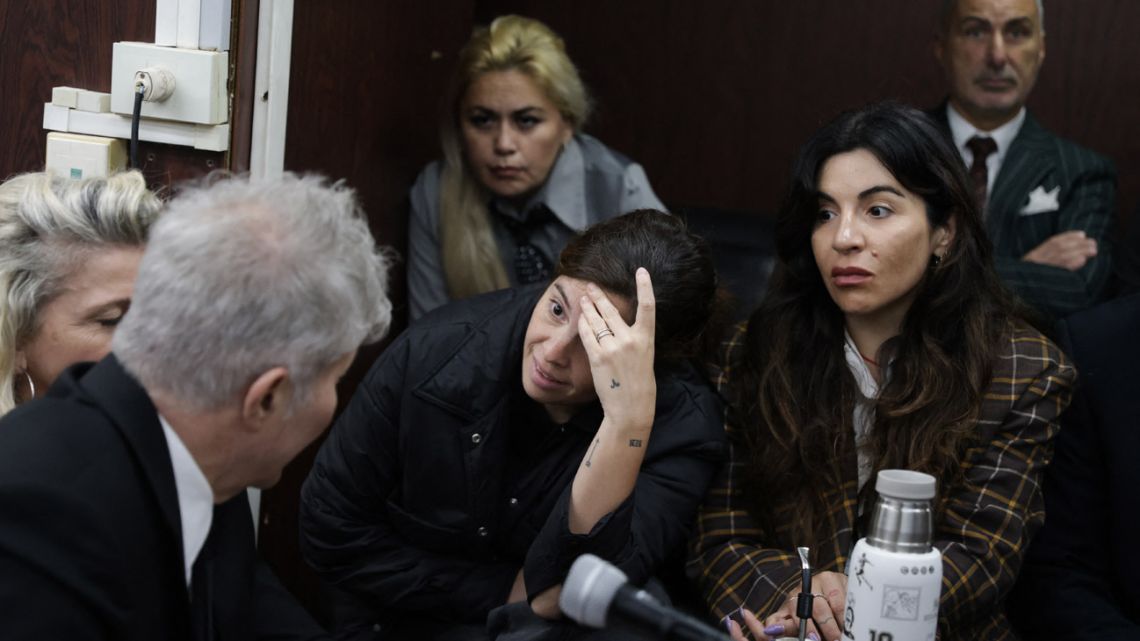
Closing arguments are the final presentations by prosecutors and defence lawyers. Each side uses them to connect testimony, documents and other evidence to its explanation of what happened. They matter because the court hears the parties’ overall conclusions before moving toward a verdict. In this trial, prosecutor Patricio Ferrari argued that a “chaotic” medical team abandoned Maradona. Assistant prosecutor Cosme Iribarren said the warning signs appeared long before death and called it “the chronology of an announced death.” The defence maintains that the cardiac event was sudden and unforeseeable. The prosecution began its summation Thursday, and the presentation is expected to last around two weeks. The defence will also have its opportunity to make final arguments. The verdict will come later, so the closing arguments do not decide guilt themselves. They frame the evidence the court must assess, including whether the care was legally inadequate and whether death could have been avoided.
Based on reporting by Buenos Aires Times
What are closing arguments, and why do they mark the final weeks of Maradona’s trial?
Closing arguments are the final presentations by prosecutors and defence lawyers. Each side uses them to connect testimony, documents and other evidence to its explanation of what happened. They matter because the court hears the parties’ overall conclusions before moving toward a verdict.
In this trial, prosecutor Patricio Ferrari argued that a “chaotic” medical team abandoned Maradona. Assistant prosecutor Cosme Iribarren said the warning signs appeared long before death and called it “the chronology of an announced death.” The defence maintains that the cardiac event was sudden and unforeseeable.
The prosecution began its summation Thursday, and the presentation is expected to last around two weeks. The defence will also have its opportunity to make final arguments. The verdict will come later, so the closing arguments do not decide guilt themselves. They frame the evidence the court must assess, including whether the care was legally inadequate and whether death could have been avoided.
Who are the seven medical professionals on trial, and what care are they accused of providing inadequately?
The trial involves seven medical professionals who cared for Maradona after surgery for a brain clot. The article names his personal doctor and neurosurgeon Leopoldo Luque, psychiatrist Agustina Cosachov and psychologist Carlos Díaz. It also refers to nursing staff, but does not identify every defendant by name. The source therefore does not provide a complete list of seven individuals.
Prosecutors say the team’s care was grossly inadequate. They allege the defendants breached their duties, failed to perform required medical acts and left a vulnerable patient in an improvised home-care arrangement. The prosecution also says two layers of care, including Swiss Medical, failed.
The alleged failures included not reacting properly to oedema, tachycardia and breathing difficulty. Prosecutors also point to the lack of a defibrillator, resuscitation bag and ambulance at the rented home. The defendants deny the charges and say they did their jobs, while downplaying individual responsibility for Maradona’s care.
What does the charge of homicide with “dolo eventual” mean under Argentine law?
Homicide with “dolo eventual” is the legal theory at the centre of the prosecution’s case. As described in the article, it means a person is aware that actions or omissions could cause death but persists nonetheless. The issue is therefore not only what the defendants did, but whether they understood the danger their conduct created.
Prosecutors say the team ignored warning signs including oedema, tachycardia and difficulty breathing. They argue that the home-care plan lacked basic emergency equipment and that the defendants failed to perform acts required of medical professionals. Their claim is that these were serious omissions, not an unavoidable mistake.
The health workers reject that account. They argue Maradona’s death could not have been foreseen and that they performed their jobs. If convicted under this charge, defendants could face eight to 25 years in prison. Prosecutors said they would seek four to 12 years for six accused, while the trial continues toward a later verdict.
How large and lengthy has the case been, in terms of defendants, hearings, witnesses and possible prison sentences?
The case is large because seven medical professionals are facing trial over one patient’s death. The proceedings have involved months of hearings and more than 100 testimonies from witnesses and defendants. The current trial began in April, and prosecutors began closing arguments after that extensive evidentiary phase.
The possible punishment is substantial. The homicide charge carries eight to 25 years in prison if defendants are convicted. Prosecutors said they will seek four to 12 years for six of the accused. The article does not state the requested sentence for the seventh defendant.
The proceedings have also been lengthy because the first trial did not reach a conclusion. It was dramatically annulled last year after two-and-a-half months of hearings when one judge was revealed to have participated in a clandestine documentary about the case. The present summation is expected to last around two weeks, with a verdict expected later.
What could happen if the court finds that the medical team’s omissions made Maradona’s death legally avoidable?
If the court accepts the prosecution’s case, it could find the medical team criminally responsible for homicide with “dolo eventual.” That would mean accepting that the defendants knew their actions or omissions could cause death but continued anyway. The court would also have to accept that their care was legally inadequate and connected to Maradona’s death.
Prosecutors say the death was avoidable because warning signs appeared beforehand. They point to oedema, tachycardia and breathing difficulty, as well as a home bedroom without a defibrillator, resuscitation bag or stationed ambulance. They argue that the team’s failures left Maradona suffering for around 12 hours.
A conviction could result in eight to 25 years in prison. Prosecutors said they would seek four to 12 years for six defendants, though the article does not give the requested term for the seventh. The verdict is expected later, after the prosecution and defence complete their closing arguments.
Why did the decision to care for Maradona at home rather than in a hospital become central to the prosecution and defense cases?
The home-versus-hospital decision matters because it shaped how quickly and safely Maradona could receive emergency treatment. Prosecutors argue that a vulnerable patient recovering from brain surgery needed stronger medical oversight than the rented home provided. They say the choice reflected negligent care rather than a safe recovery plan.
The prosecution described the bedroom as lacking a defibrillator, resuscitation bag and other basic emergency equipment. No ambulance was stationed outside. Several experts also testified that carers failed to react to oedema, tachycardia and breathing difficulty. Prosecutors say both layers of medical care failed.
The defence disputes that conclusion. The health workers say Maradona’s death resulted from an acute, sudden and unforeseeable cardiac event, and that they did their jobs. The court must therefore assess whether the home arrangement and missed responses were unreasonable medical omissions, or whether the death could not have been anticipated even with the chosen setting.
What are heart failure and acute pulmonary oedema, and how can fluid buildup in the lungs cause someone to die?
Heart failure occurs when the heart cannot pump blood effectively enough for the body’s needs. Acute pulmonary oedema is a sudden accumulation of fluid in the lungs. Together, these conditions can become a medical emergency because the lungs must transfer oxygen into the blood, and fluid-filled lung tissue makes that exchange difficult.
In Maradona’s case, the article says he died of heart failure and acute pulmonary oedema. It links the pulmonary oedema to aggravated congestive heart failure and dilated cardiomyopathy. Prosecutors and plaintiff lawyers maintain that he suffered for around 12 hours before dying. They also cite oedema, tachycardia and difficulty breathing as warning signs.
The prosecution argues that the fatal outcome could have been avoided with adequate care and a faster response. The defence says he suffered an acute, sudden and unforeseeable cardiac event. The court must decide how the medical condition developed, whether warning signs were missed and whether the defendants’ alleged omissions contributed legally to his death.
Key Facts:
📌 Closing arguments are the parties’ final presentations before the court considers a verdict.
📌 Prosecutors began presenting their closing arguments Thursday.
📌 The prosecution’s summation is expected to last around two weeks.
📌 Seven medical professionals have been on trial since April.
📌 Named defendants include Leopoldo Luque, Agustina Cosachov and Carlos Díaz.
📌 Prosecutors allege grossly inadequate care and missed warning signs.
📌 “Dolo eventual” concerns awareness that actions or omissions could cause death.