News · Defence & Security
Pentagon, FBI personnel-data breaches raise questions
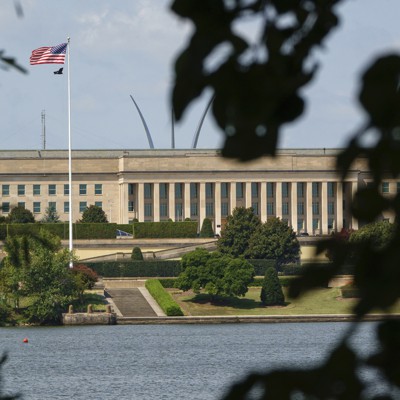
The Pentagon breach exposed sensitive personnel information through a file-sharing system at the Defense Manpower Data Center. The unauthorized access lasted from October 2025 to July 16, 2026, but went undetected for months. A separate breach claimed by cybercrime group ShinyHunters involved the FBI and likely exposed records about personnel in intelligence-gathering roles. DMDC said the accessed files included unencrypted Social Security numbers. Depending on the person, they also contained names, birth dates, contact information and military occupational specialties. DMDC patched the flaw, restored the system and began offering affected people credit monitoring and identity-restoration services. No public evidence links the Pentagon and FBI intrusions. However, both exposed information that could help attackers identify government personnel, create convincing fraud attempts or target employees of interest to foreign intelligence services. The incidents renewed concerns about agencies detecting unauthorized access quickly.
Based on reporting by Defense One
What happened in the Pentagon and FBI personnel-data breaches?
The Pentagon breach exposed sensitive personnel information through a file-sharing system at the Defense Manpower Data Center. The unauthorized access lasted from October 2025 to July 16, 2026, but went undetected for months. A separate breach claimed by cybercrime group ShinyHunters involved the FBI and likely exposed records about personnel in intelligence-gathering roles.
DMDC said the accessed files included unencrypted Social Security numbers. Depending on the person, they also contained names, birth dates, contact information and military occupational specialties. DMDC patched the flaw, restored the system and began offering affected people credit monitoring and identity-restoration services.
No public evidence links the Pentagon and FBI intrusions. However, both exposed information that could help attackers identify government personnel, create convincing fraud attempts or target employees of interest to foreign intelligence services. The incidents renewed concerns about agencies detecting unauthorized access quickly.
What is the Defense Manpower Data Center, and why does it hold personnel information for the military and other agencies?
The Defense Manpower Data Center, or DMDC, is a Defense Department organization that maintains personnel information used across the military and other government agencies. The article does not describe every function of the center. It establishes that DMDC’s systems hold information needed across multiple government settings, making their security important beyond one office or department.
The breach involved a file-sharing system at DMDC. Accessed files contained unencrypted Social Security numbers and, depending on the individual, names, birth dates, contact information and military occupational specialties. The system was exposed from October 2025 to July 16, 2026, before the vulnerability was discovered and fixed.
Because DMDC information serves the military and other agencies, one system’s weakness could affect people connected to many government roles. The incident also showed that a central data holder can expose sensitive information without immediately disrupting operations. DMDC restored the system and offered affected individuals credit monitoring and identity-restoration services.
How many people were affected, and what kinds of personal information were exposed?
The Pentagon incident potentially exposed information about roughly 3 million people. A defense official told CNN that the total included 2.76 million living people and another 294,000 deceased individuals. The access occurred through a Defense Manpower Data Center file-sharing system and continued for roughly nine months before discovery.
The files contained unencrypted Social Security numbers. Depending on the person, they also included names, birth dates, contact information and military occupational specialties. The records therefore combined basic identity details with information about people’s government or military work.
The size and sensitivity of the dataset explain why the breach raised wider security concerns. Attackers could use the information to identify government personnel and tailor fraud attempts. It could also help identify employees whose work interests foreign intelligence services. DMDC patched the flaw, restored the system and offered affected individuals one year of credit monitoring and identity-restoration services.
What does it mean for unauthorized access to a system to go undetected for about nine months?
When unauthorized access goes undetected for about nine months, someone can enter or gather information from a system without the agency recognizing the activity during that period. In the DMDC case, the notification described access spanning roughly nine months before the vulnerability was discovered. The system continued to hold sensitive personnel information during that time.
The accessed files contained unencrypted Social Security numbers and other personal details. DMDC said it began privacy and cybersecurity incident-response actions after discovering the vulnerability. It patched the flaw and restored the system, but the length of the access meant the exposure was not quickly contained.
The delay matters because detection is a core part of security, even when systems keep operating normally. Nitay Milner said agencies must understand who is gathering sensitive information, whether that person is permitted to enter the system and whether the behavior makes sense. The incident therefore highlights monitoring and response, not just prevention.
How could stolen names, Social Security numbers, contact details, and job specialties be used for fraud or intelligence gathering?
Names, Social Security numbers and contact details can help attackers identify specific people and tailor attempts to deceive them through fraud schemes. The article says stolen personal information can make those attempts more precise and convincing. The combination of several identifiers gives attackers a clearer picture of whom they are contacting.
Military occupational specialties add a different layer. They can show what kind of work a person performs, while contact information can provide a way to approach that person. The article says such data can identify employees whose work is of particular interest to foreign intelligence services. It does not describe a specific attack using these records.
The danger is therefore broader than direct financial fraud. Exposed information can support efforts to identify government personnel, select targets and tailor deceptive messages. The article also warns that AI systems may accelerate cyberattacks by helping hackers find weaknesses and use stolen information to make targeting more precise and convincing.
Why are government personnel-data breaches especially dangerous even when they do not immediately disrupt an agency's systems?
A system does not need to shut down for a breach to cause serious harm. Personnel data itself can be valuable. It can reveal identities, contact details and job specialties, allowing attackers to understand who works for government and which employees may be especially interesting to foreign intelligence services.
The DMDC incident illustrates the mechanism. Attackers accessed unencrypted Social Security numbers and other personal information through a file-sharing system. The access lasted roughly nine months, yet the article does not describe an immediate disruption to DMDC operations. The risk came from the information being gathered, not from visible damage to the system.
That quiet exposure can support fraud, deception and intelligence targeting later. Nitay Milner said agencies must examine who is collecting sensitive information, whether access is authorized and whether behavior makes sense. The FBI and Pentagon breaches show why resilience must include detection, containment and reporting, not only keeping systems online.
How do cybersecurity teams determine whether someone is allowed to access sensitive data and whether their behavior is suspicious?
Cybersecurity teams determine whether access is suspicious by connecting identity, permission and behavior. Nitay Milner said agencies need to understand who is gathering sensitive information, whether that person is permitted to enter a given system and whether the activity makes sense. These questions help distinguish legitimate use from unauthorized or unusual access.
In practice, the team would compare the person or account accessing data with the permissions assigned to it. It would then examine what information is being gathered and whether that activity fits the person’s role or expected use. The article does not specify the particular tools or technical alerts agencies use for this review.
The DMDC breach shows why this scrutiny matters. Access to sensitive files continued for roughly nine months before the vulnerability was discovered. Milner said detection requires this kind of attention even when an intrusion does not immediately disrupt a system or draw attention. Agencies also need tested response plans for discovery, containment and reporting.
Key Facts:
📌 - The Pentagon breach potentially exposed about 3 million people.
📌 - Unauthorized DMDC access lasted from October 2025 to July 16, 2026.
📌 - ShinyHunters claimed a separate breach involving sensitive FBI records.
📌 - DMDC maintains personnel information used across the military and government agencies.
📌 - The breached system was a DMDC file-sharing system.
📌 - DMDC patched the flaw and restored the system.
📌 - The breach affected 2.76 million living people.