News · Defence & Security
Armed Forces to assess higher Agniveer retention after first batches exit
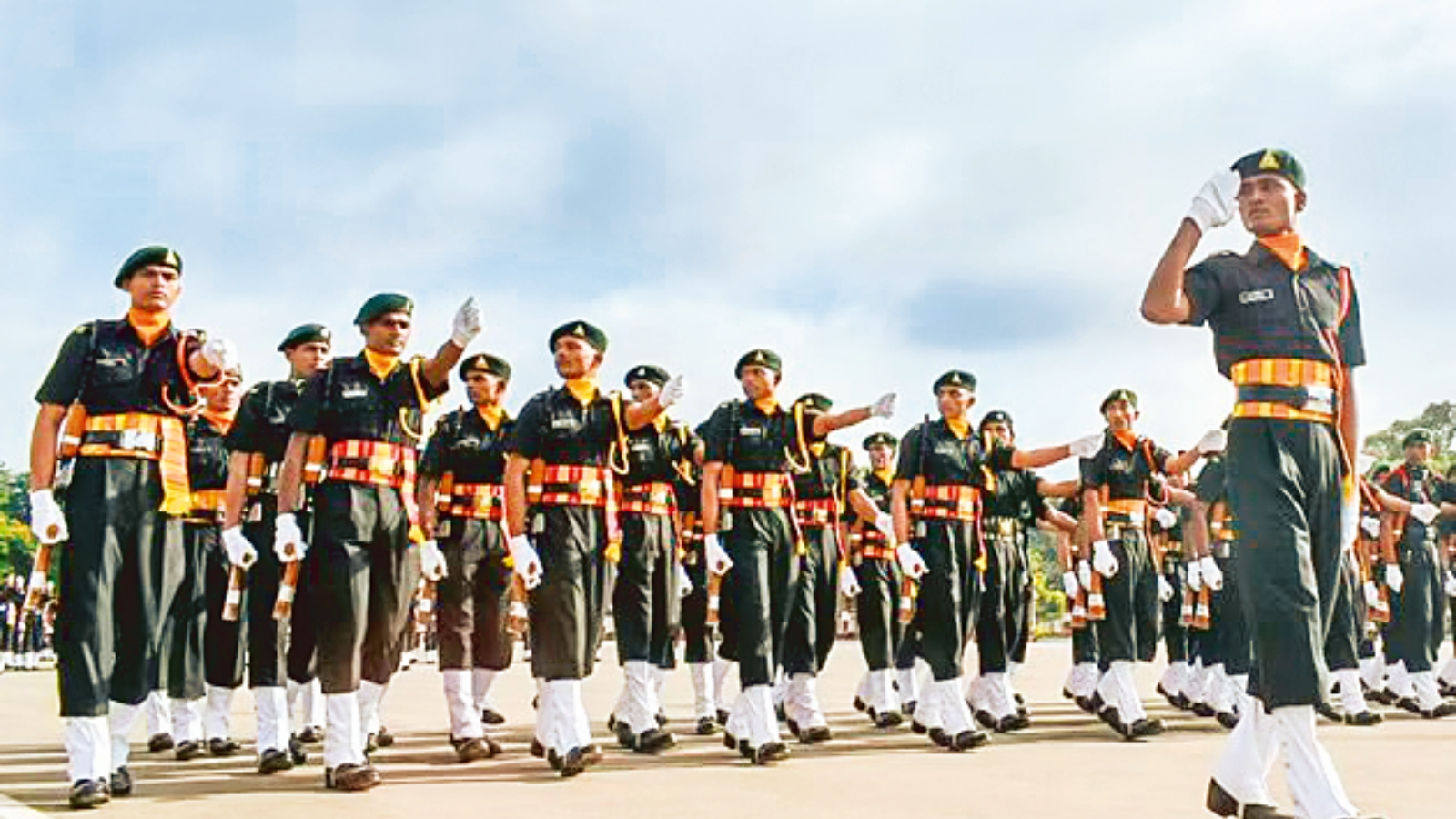
An Agniveer is a person recruited into the Indian Armed Forces under the Agnipath scheme. The defining feature is a four-year tenure rather than automatic continuation as a regular soldier. This matters because the scheme creates a planned route into military service while limiting how many recruits remain permanently. Agniveers are recruited across the Indian Army, Navy, and Air Force. The article states that Agniveers recruited under Agnipath began training in early 2023. All recruits complete their four-year tenure under the current policy. After that period, a merit-based process determines who may continue as a regular soldier. The system is now approaching its first major test. The first Navy Agniveers will complete four years next month. The services will then examine selection, exit procedures, reabsorption, and resettlement before considering whether the retention percentage should rise.
Based on reporting by Indian Express
What is an Agniveer, and how does the Agnipath scheme recruit people into the Indian Armed Forces?
An Agniveer is a person recruited into the Indian Armed Forces under the Agnipath scheme. The defining feature is a four-year tenure rather than automatic continuation as a regular soldier. This matters because the scheme creates a planned route into military service while limiting how many recruits remain permanently.
Agniveers are recruited across the Indian Army, Navy, and Air Force. The article states that Agniveers recruited under Agnipath began training in early 2023. All recruits complete their four-year tenure under the current policy. After that period, a merit-based process determines who may continue as a regular soldier.
The system is now approaching its first major test. The first Navy Agniveers will complete four years next month. The services will then examine selection, exit procedures, reabsorption, and resettlement before considering whether the retention percentage should rise.
Under the current policy, how long do Agniveers serve, and what percentage can become regular soldiers?
Under the current policy, every Agniveer completes a four-year tenure. This applies to recruits across the Indian Army, Navy, and Air Force. The four-year period is central to the scheme because it sets a common point for deciding who leaves and who continues as a regular soldier.
Only 25 per cent of Agniveers from each service can be absorbed into the regular force. Selection is based on merit, rather than automatic continuation. For example, when the first Navy batch finishes its tenure next month, one quarter of that batch can be selected for regular service under the existing rule.
The 25 per cent limit remains in force for now. The armed forces have sought a higher percentage, but officials are expected to study reabsorption and resettlement first. Further discussions are likely after the first few batches complete their service and exit processes.
What is expected to happen when the first Navy Agniveers complete their four-year tenure next month?
The first batch of Indian Navy Agniveers is due to complete its four-year tenure next month. This will provide the armed forces with their first practical test of how the Agnipath system works at the point of exit. It matters because the services must assess both continued service and the transition of those leaving.
Selection and other exit formalities are already underway and nearly complete. Under the current policy, 25 per cent of the batch will be absorbed as regular soldiers through merit-based selection. Employment avenues for Agniveers who leave are also being explored with the Union Ministry of Home Affairs.
The services are expected to study reabsorption and resettlement over the following couple of months. They will use that assessment before discussing any increase in the retention percentage. The article indicates that the current 25 per cent arrangement remains unchanged while this review takes place.
How will the selection of the 25 per cent who become regular soldiers be carried out?
The current policy does not retain Agniveers automatically after four years. Instead, only 25 per cent from each service can become regular soldiers through a merit-based selection process. The mechanism is intended to identify the strongest candidates for continued military service.
The process will be applied across the Indian Army, Navy, and Air Force. The first Navy batch offers the clearest example because its four-year tenure ends next month. Selection work and related exit formalities are already underway and are nearly complete, according to the article.
The outcome will also help the armed forces assess how the wider system operates. Officials will examine the reabsorption of selected Agniveers and the resettlement of those who leave. Those findings will inform later discussions about whether the 25 per cent retention limit should be increased. For now, the existing merit-based rule remains in place.
What will happen to Agniveers who are not retained, including their resettlement and employment after leaving the services?
Agniveers who are not selected for regular service will complete their four-year tenure and exit the armed forces. The article does not give a final, detailed resettlement package. It says the services will study how these personnel are resettled after leaving.
The government is also examining employment opportunities for departing Agniveers. Employment avenues for their absorption are being explored with the Union Ministry of Home Affairs. This work is linked to the exit process for the first batches, especially the Navy Agniveers whose tenure ends next month.
Over the next couple of months, officials are expected to assess both the reabsorption of the 25 per cent selected for regular service and the resettlement of the rest. The findings will shape later discussions about retention. Until those discussions occur, the policy remains four years of service followed by merit-based selection of 25 per cent.
Why do the armed forces want to retain more than 25 per cent of Agniveers?
The services are seeking more retention because they need a larger pool of trained and experienced soldiers. Agniveers completing four years may have participated in multiple operations and gained practical military experience. Keeping more of them could preserve that capability inside the armed forces.
The article also highlights their ability to handle new technologies and weapons. These skills are valuable because the services need personnel who already understand operational demands and modern equipment. Under the current policy, however, only 25 per cent from each service can continue as regular soldiers.
Discussions are underway between the services and the Department of Military Affairs about feasible options. No increase has yet been approved. The armed forces will first assess the Navy’s initial exit cycle, including reabsorption and resettlement. After that review, officials are expected to discuss the retention percentage again.
Why are experienced soldiers who have handled operations, new technologies, and weapons important to a modern military?
Experienced soldiers matter because they have already worked in real operational conditions. The article says some Agniveers will have participated in multiple operations during their four-year tenure. That experience can help the armed forces maintain personnel who understand military tasks beyond initial training.
They may also have practical familiarity with new technologies and weapons. This is important because modern military work depends on personnel who can handle changing systems and equipment. The article connects this need directly to the services’ request for a larger pool of trained and experienced soldiers.
The current policy retains only 25 per cent from each service, so most Agniveers will leave after four years. The services are therefore discussing whether a higher percentage should be retained. They will first examine the initial reabsorption and resettlement process, then consider the implications for future force planning.
Key Facts:
📌 Agniveers are recruited under the Agnipath scheme.
📌 Their four-year tenure applies across all three services.
📌 Agniveer training began in early 2023.
📌 Agniveers serve a four-year tenure.
📌 Only 25 per cent can be retained from each service.
📌 The current retention limit remains 25 per cent.
📌 The first Navy Agniveers finish their tenure next month.