News · Politics & Governance
Sign a bond, skip Delhi: Maharashtra police warn would-be protesters against Oct 10 agitation
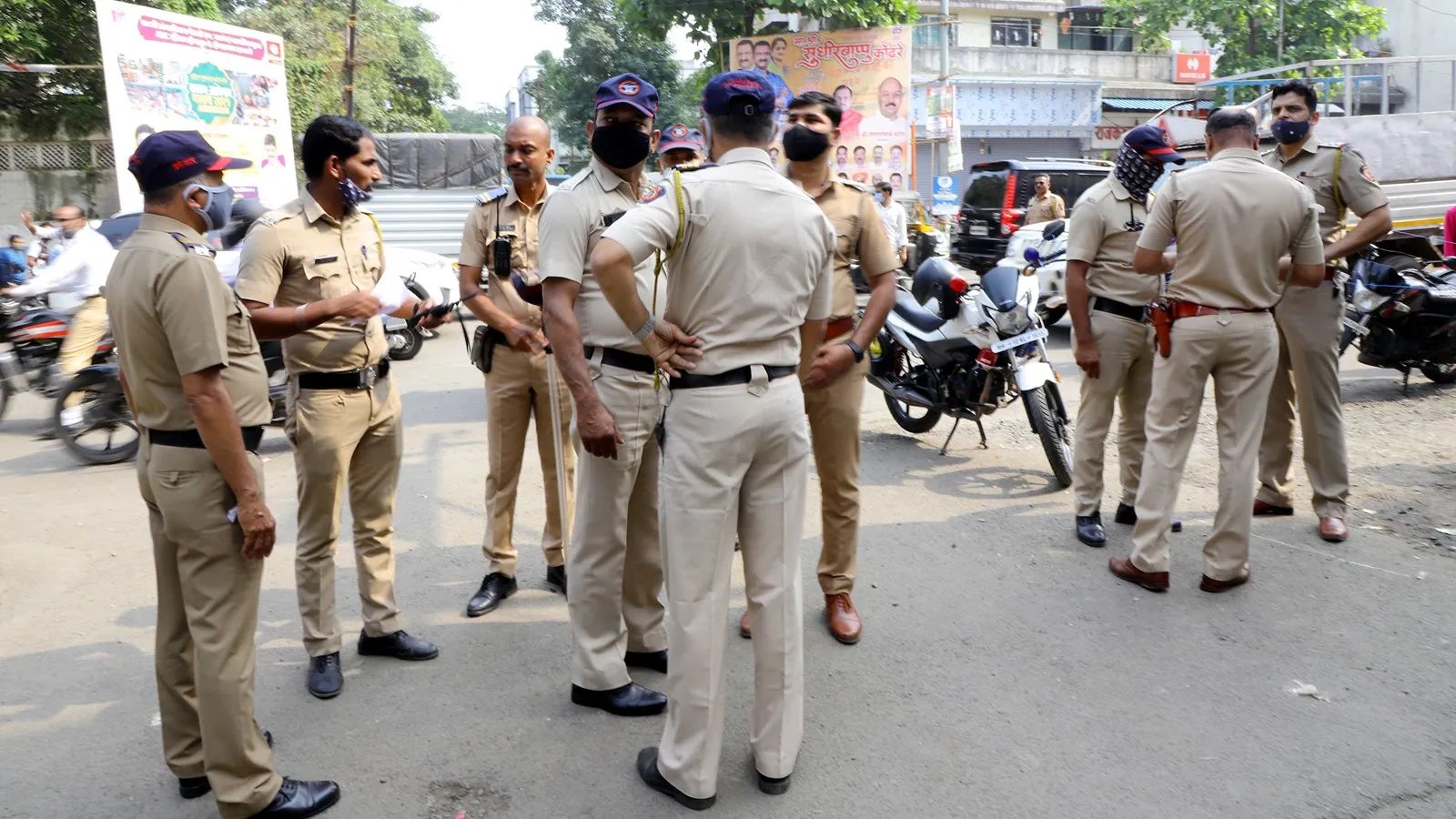
Police reportedly sought detailed information from people who planned to attend the October 10 CJP protest. They asked about travel dates, routes, transport, companions and, in one account, live location. Some people were also told to visit police stations, sign documents and avoid the protest. Sadaf Raza Zaidi said officers visited her home and questioned her about October 10. She said they asked whether she knew other attendees and requested her live location. In Nagpur, notices directed Bharat Banait and Akshay Ramteke to disclose travel details. Ramteke was asked to submit a written bond promising not to attend or disturb public peace. Police said the steps were meant to maintain law and order and prevent possible offences. The DGP office confirmed notices in some cases but denied detentions in Maharashtra. The reports show an enforcement approach focused on monitoring travel and discouraging attendance before the Delhi protest.
Based on reporting by Indian Express
What were Maharashtra police reportedly asking people who planned to attend the October 10 protest to do?
Police reportedly sought detailed information from people who planned to attend the October 10 CJP protest. They asked about travel dates, routes, transport, companions and, in one account, live location. Some people were also told to visit police stations, sign documents and avoid the protest.
Sadaf Raza Zaidi said officers visited her home and questioned her about October 10. She said they asked whether she knew other attendees and requested her live location. In Nagpur, notices directed Bharat Banait and Akshay Ramteke to disclose travel details. Ramteke was asked to submit a written bond promising not to attend or disturb public peace.
Police said the steps were meant to maintain law and order and prevent possible offences. The DGP office confirmed notices in some cases but denied detentions in Maharashtra. The reports show an enforcement approach focused on monitoring travel and discouraging attendance before the Delhi protest.
What was the CJP protest in Delhi, and why were people from Maharashtra travelling there?
The CJP protest was a nationwide protest at Jantar Mantar in Delhi, scheduled for October 10. The article does not state the protest’s specific cause or demands. It does show that the event drew planned participation from Maharashtra, including activists, volunteers and student organisers.
Mayur Sharma, an AISF member from Thane, said he and four or five friends planned to travel together. Police allegedly believed he was taking a group of 25 people. In Nagpur, CJP volunteers said RPF personnel asked for the names and numbers of people travelling to Delhi, and offered to check waitlisted tickets.
The travel mattered because police in Maharashtra and Delhi were monitoring or contacting prospective attendees before the event. Sharma changed his route, getting off near Faridabad and entering Delhi by Metro. The article gives no final attendance figure or account of what happened at the protest itself.
How many people or groups were reportedly contacted, questioned, detained, or served notices, and which of these claims did police deny?
Reported contact involved multiple categories: a Mumbai woman questioned at home, two activists allegedly detained, a Thane student organiser receiving calls, some Delhi-bound members contacted, and Nagpur volunteers contacted by police or railway personnel. At least two Nagpur volunteers were formally served notices under Section 168 BNSS.
The named accounts include Sadaf Raza Zaidi, Feroze Mithiborwala, Salim Saboowala and Mayur Sharma. Hum Bharat Ke Log alleged that MIDC police detained Mithiborwala and Saboowala. Sharma described calls from Mumbai and Delhi police. Nagpur volunteers said RPF personnel sought travellers’ identities, while Bharat Banait and Akshay Ramteke received notices.
The article does not provide a total number of people contacted or questioned. A DGP office official denied detentions in Maharashtra. A senior police official denied the alleged detention of Mithiborwala and Saboowala. Nizamuddin police confirmed calling some members, saying it was for law and order.
What is a notice under Section 168 of the Bharatiya Nagarik Suraksha Sanhita, and what does signing a preventive bond mean?
Section 168 BNSS concerns police efforts to prevent cognisable offences. The article describes notices issued before the protest, asking recipients for travel information and warning about possible legal or preventive action. It does not provide a full statutory explanation of every procedure connected with such notices.
One notice to Bharat Banait cited confidential information that he planned to travel to Delhi and directed him to disclose when, how and with whom he would travel. Akshay Ramteke’s notice told him to appear at Kuhi police station and submit a written bond promising not to attend the protest or disturb public peace.
Signing a preventive bond means giving a formal written undertaking to comply with stated conditions. In this case, the condition was not attending the protest or disturbing peace. The article links non-compliance or a later incident to possible preventive action, but it does not describe the bond’s complete legal consequences.
Why did police cite prohibitory orders, possible violence, road blockades, and disruption of government work as reasons for intervening?
Police cited possible violence, road blockades and obstruction of government work as reasons to intervene before the Delhi protest. These concerns framed the protest as a potential public-order problem, even though the article does not report that these outcomes actually occurred.
Akshay Ramteke’s notice referred to confidential communication from the DGP’s office and warned that the protest could produce such disruptions. It also cited a prohibitory order across Nagpur city under Section 37(1)(3) of the Maharashtra Police Act. The notice asked him not to attend and to submit a bond.
The stated mechanism was prevention. Police sought information, issued warnings and threatened preventive action if an incident followed. The DGP office said notices had been issued in some cases, while the Nizamuddin SHO said calls were made to maintain law and order. The article also records allegations that these measures amounted to harassment or unlawful detention.
What could happen to protesters if they ignored the notices, travelled to Delhi, or were considered responsible for an incident?
The notices warned that people who travelled to the protest without cooperating could face legal or preventive consequences. Ramteke’s notice said that if he attended and an untoward incident occurred, he could be held responsible. It also referred to preventive action under Sections 126 and 135 BNSS and relevant BNS provisions.
The notice to Bharat Banait warned of legal action if he travelled without providing requested details. Ramteke was directed to appear at a police station and sign a bond promising not to attend or disturb public peace. These conditions show how police linked travel, attendance and possible disorder.
The article does not report arrests or prosecutions resulting from the notices. It records one alleged two-hour detention, which police denied, and says some people changed their travel plans or routes. The practical effect described was deterrence and heightened monitoring before the protest, rather than a documented final penalty.
How does the legal right to peaceful protest coexist with the police duty to prevent cognisable offences and maintain public order?
The article presents two competing public duties. People planned to travel to Delhi for a protest, while police said they had to prevent cognisable offences and maintain public order. Peaceful protest and preventive policing can coexist when restrictions are tied to specific risks and applied lawfully, but the article does not decide whether every reported step met that standard.
Police cited possible violence, blockades and disruption of government work. They issued notices, sought travel information and asked at least one person to sign a bond. Activists described these actions as tracking, harassment or detention. Police denied detentions, while the Nizamuddin SHO said calls were intended to maintain law and order.
The key issue is proportionality and legality: prevention should address genuine risks without treating peaceful attendance itself as wrongdoing. The article records allegations and official denials, but gives no court ruling or final assessment. It therefore documents an unresolved conflict between protest rights and preventive enforcement.
Key Facts:
📌 Police reportedly asked about routes, companions, transport and live locations.
📌 Some people were told to sign documents promising not to attend.
📌 Two Nagpur volunteers received Section 168 BNSS notices.
📌 The CJP protest was scheduled at Jantar Mantar on October 10.
📌 Maharashtra volunteers and activists planned to travel to Delhi.
📌 The article does not state the protest’s specific demands.
📌 At least two Nagpur volunteers received Section 168 BNSS notices.