News · Social Issues
As Jharkhand woman looks to reunite with daughter in Delhi, a court nudge
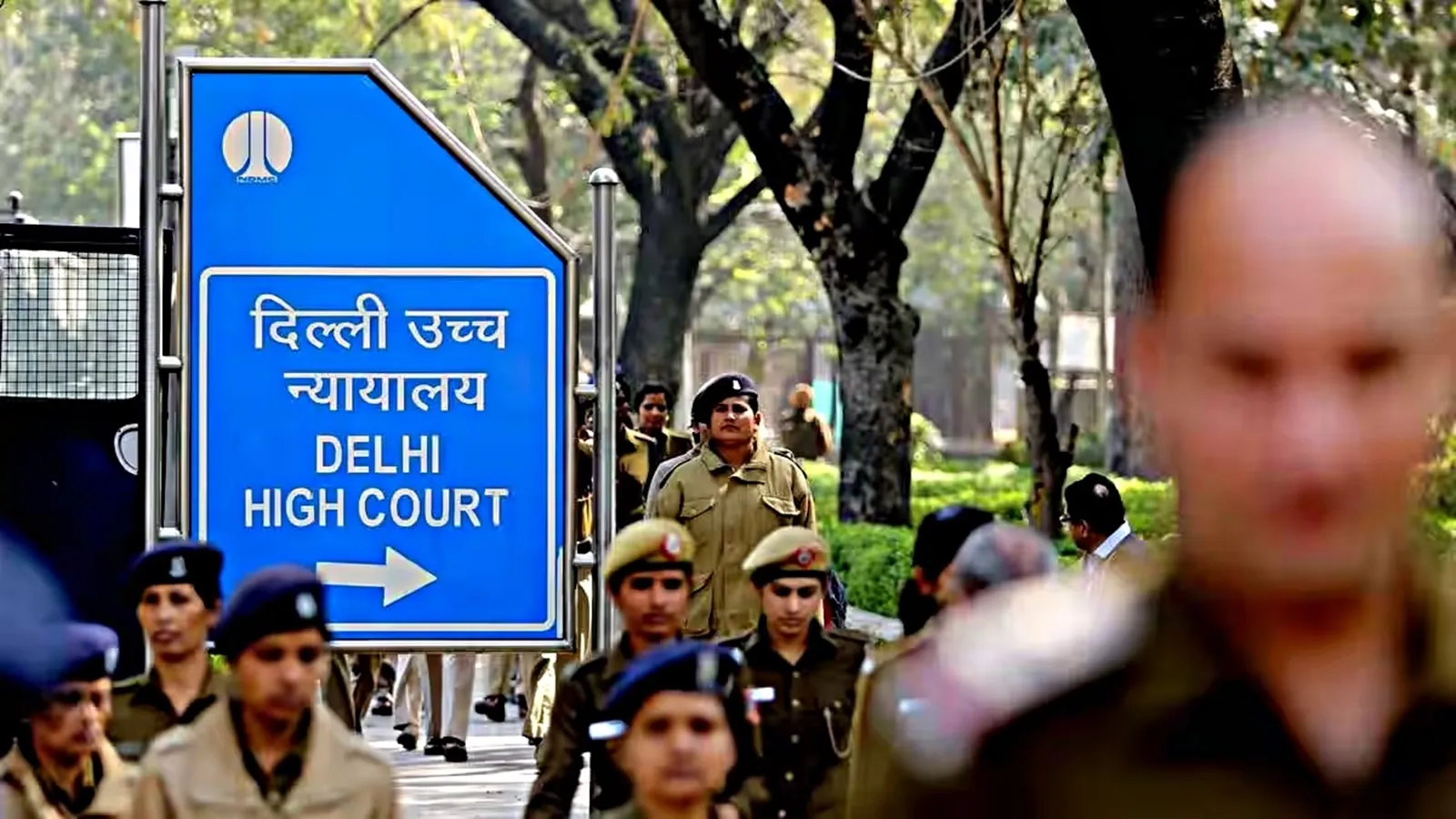
The Delhi High Court ordered the Child Welfare Committee, or CWC, to decide what would best protect and rehabilitate the 17-year-old girl. It also required the committee to consider her social reintegration. The order matters because the girl has remained in a Delhi shelter home while her mother seeks custody and the accounts of how she reached Delhi conflict. The court directed the CWC to act “expeditiously” and make its decision within 10 days of receiving the order. The committee must consider the girl’s welfare and the measures needed for rehabilitation. The court specifically said it had not expressed an opinion about how rehabilitation should happen. The girl had been staying at the shelter home since August 1. The CWC chairperson said the High Court’s order would be followed, but the article does not report the committee’s eventual decision. That decision will determine the next steps for the girl’s care and reintegration.
Based on reporting by Indian Express
What did the Delhi High Court order the Child Welfare Committee to do for the 17-year-old girl?
The Delhi High Court ordered the Child Welfare Committee, or CWC, to decide what would best protect and rehabilitate the 17-year-old girl. It also required the committee to consider her social reintegration. The order matters because the girl has remained in a Delhi shelter home while her mother seeks custody and the accounts of how she reached Delhi conflict.
The court directed the CWC to act “expeditiously” and make its decision within 10 days of receiving the order. The committee must consider the girl’s welfare and the measures needed for rehabilitation. The court specifically said it had not expressed an opinion about how rehabilitation should happen.
The girl had been staying at the shelter home since August 1. The CWC chairperson said the High Court’s order would be followed, but the article does not report the committee’s eventual decision. That decision will determine the next steps for the girl’s care and reintegration.
What is a Child Welfare Committee, and what authority does it have over children who need care and protection?
In India, a Child Welfare Committee is a statutory body under the juvenile justice system. It deals with children who need care and protection, including minors who may face neglect, exploitation, abandonment, or unsafe living conditions. Its purpose is to assess a child’s situation and protect the child’s welfare.
The committee can conduct an inquiry, hear relevant people, and decide suitable care measures. Depending on the case, it may order restoration to parents or guardians, temporary placement, rehabilitation, or social reintegration. Its authority concerns the child’s protection and welfare. It does not determine criminal guilt or replace police investigation.
In this case, the Delhi High Court asked the CWC to decide the 17-year-old’s rehabilitation and social reintegration. The committee’s decision must address her welfare, while questions about trafficking, consent, and employment require separate investigation. The article does not report the committee’s final decision.
How long had the girl been in the Delhi shelter home, and how quickly must the committee decide her rehabilitation plan?
The girl had been staying in a Delhi shelter home since August 1. The article does not give an exact number of days between her arrival and the court’s October 1 order, but it records that her stay had continued for roughly two months by then. Her continued placement became central to her mother’s custody petition.
The High Court ordered the CWC to decide the girl’s welfare, rehabilitation, and social reintegration within 10 days from receiving a copy of the order. This deadline was intended to move the case forward rather than leave the minor’s future unresolved. The court did not prescribe the exact rehabilitation arrangement.
The article does not say when the CWC received the order or whether it met the deadline. Deeba Naseem, the Delhi CWC chairperson, said the order would be complied with, but said she had no information about why the girl remained in Delhi.
Why might a court consider rehabilitation and social reintegration instead of immediately sending a minor back to a parent?
A court may consider rehabilitation and social reintegration when returning a minor immediately could leave important safety questions unanswered. The child’s age, wishes, possible exploitation, family circumstances, and present protection needs can all matter. The aim is to ensure that any next step supports the child’s welfare rather than treating custody as an automatic outcome.
This case contains sharply different accounts. The mother said the girl was taken from Jharkhand for domestic work without her knowledge and later told her mother she wanted to return. A Delhi Police status report said the girl came with a woman she knew and had her parents’ consent. Those differences require careful assessment.
The High Court therefore left the rehabilitation decision to the CWC. It did not state that the girl should return home or remain in Delhi. The committee’s process is meant to address her welfare while questions about trafficking and employment remain unresolved in the reported account.
What could happen to the girl and her mother after the committee makes its decision?
After the CWC decides, the girl could receive a formal plan for rehabilitation and social reintegration. That plan would address what the committee considers necessary for her welfare. It may also clarify where she should live and what support she needs, but the High Court’s order did not prescribe a particular outcome.
The mother is seeking custody and has travelled to Delhi while looking for her daughter. The girl remains in the shelter home, and the competing accounts about how she reached Delhi have not been resolved in the article. The CWC’s welfare decision could therefore affect both the girl’s placement and the mother’s effort to regain custody.
The reported next step is the committee’s decision within 10 days of receiving the order. The article does not say whether that decision was made, whether custody was granted, or whether police registered a case. Those outcomes remain unreported.
Who is responsible for investigating whether the girl was trafficked, brought with parental consent, or employed illegally?
Police investigate suspected trafficking and other possible crimes involving a child. Their role is different from the CWC’s role: police gather evidence, record complaints, question people, and determine whether criminal proceedings should follow. The CWC focuses on the minor’s care, protection, rehabilitation, and reintegration.
Here, Delhi Police submitted a status report claiming that the girl came to Delhi with a woman she knew and had her parents’ consent. Her mother and advocate gave a different account, alleging that she was taken for domestic work without the mother’s knowledge. Advocate Abhiram Venugopal questioned why no FIR had been registered against the alleged trafficker or employers.
The article does not identify any completed criminal investigation or registered FIR. It also does not report which agency investigated possible employment violations. The immediate court-directed action concerned the CWC’s welfare decision, while the competing accounts still required police investigation.
What is child trafficking, and why are children recruited for domestic work especially vulnerable to exploitation?
Child trafficking generally means recruiting, transporting, transferring, harbouring, or receiving a child for exploitation. Exploitation can include forced labour and domestic work. A child’s age makes meaningful consent and independent decision-making especially sensitive, while movement away from home can weaken family oversight and access to help.
Domestic work often takes place inside private homes, away from public scrutiny. A child may depend on the employer for food, money, shelter, or travel. Language barriers, poverty, unfamiliar surroundings, and limited knowledge of police or legal systems can make it harder to report abuse or leave. These risks explain why allegations involving a minor domestic worker require careful investigation.
In this case, the mother alleged that her daughter was taken from Jharkhand for domestic work. Delhi Police gave a different account, saying the girl travelled with a known woman and parental consent. The article does not establish which account is correct.
Key Facts:
📌 The High Court directed the CWC to decide the girl’s welfare and rehabilitation.
📌 The CWC must consider her social reintegration.
📌 The court set a 10-day deadline after receiving its order.
📌 A CWC handles children needing care and protection.
📌 It can decide care, rehabilitation, and social reintegration measures.
📌 A CWC does not replace police criminal investigations.
📌 The girl had stayed in a Delhi shelter home since August 1.