News · Defence & Security
Indian embassy in Saudi issues advisory to ‘stay indoors’ after Houthi attack
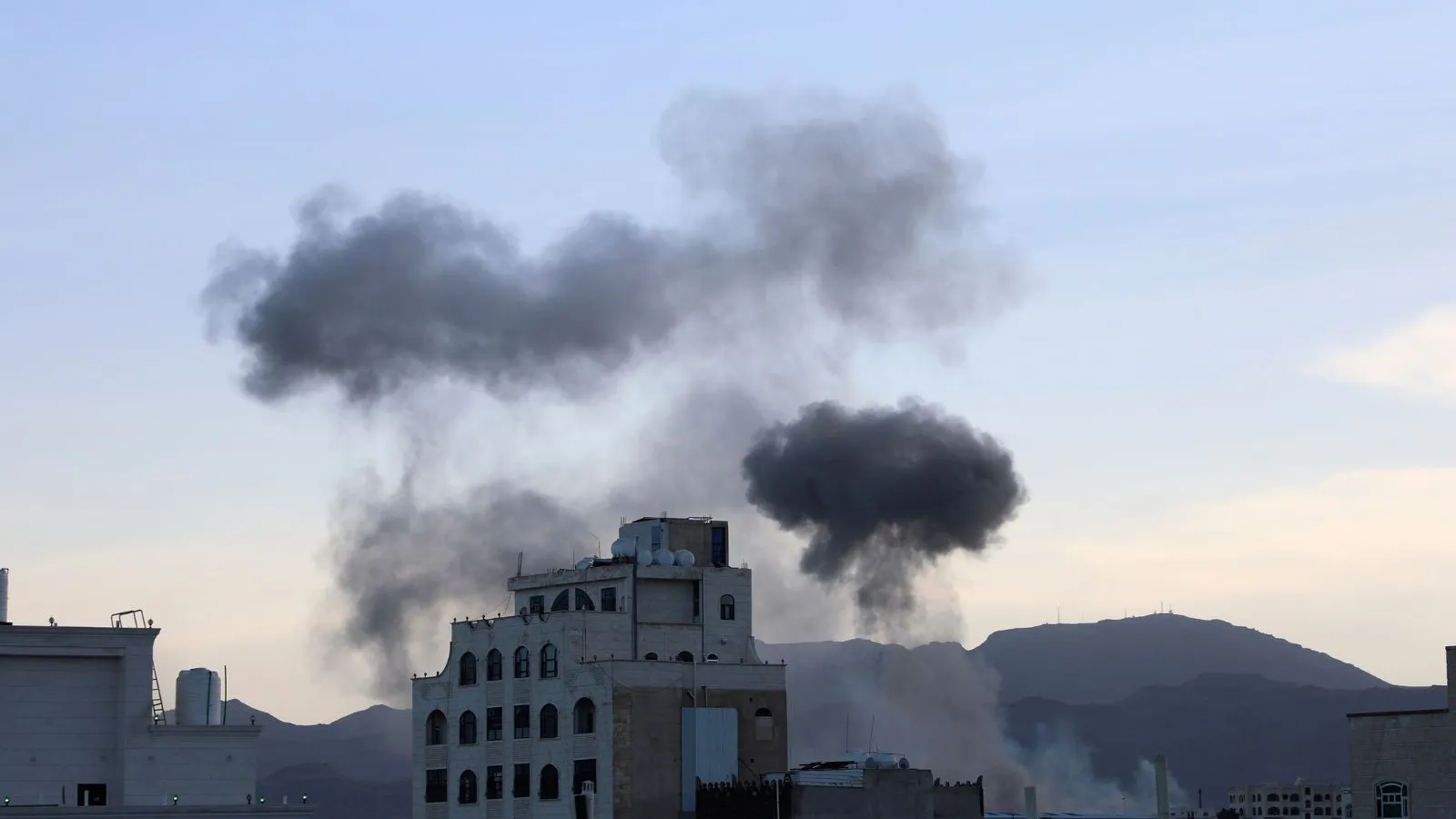
The Indian Embassy in Riyadh has asked Indian citizens across Saudi Arabia to remain alert and vigilant because of the evolving security situation. It advises them to stay indoors as necessary and follow instructions issued by Saudi authorities through official channels. The guidance is meant to reduce exposure to danger and help people respond calmly to verified information. The advisory also tells Indian nationals not to circulate or repost videos or news connected with the ongoing events. The Embassy in Riyadh, the Consulate in Jeddah, and their VFS services are continuing to operate normally. Indians can contact the helpline if they face problems. The advice remains precautionary, while visa services continue normally. The Embassy will issue further updates when needed. Indian citizens should therefore rely on official Embassy and local-authority channels rather than unverified posts or rapidly spreading reports.
Based on reporting by Indian Express
What exactly has the Indian Embassy in Riyadh advised Indian citizens in Saudi Arabia to do?
The Indian Embassy in Riyadh has asked Indian citizens across Saudi Arabia to remain alert and vigilant because of the evolving security situation. It advises them to stay indoors as necessary and follow instructions issued by Saudi authorities through official channels. The guidance is meant to reduce exposure to danger and help people respond calmly to verified information.
The advisory also tells Indian nationals not to circulate or repost videos or news connected with the ongoing events. The Embassy in Riyadh, the Consulate in Jeddah, and their VFS services are continuing to operate normally. Indians can contact the helpline if they face problems.
The advice remains precautionary, while visa services continue normally. The Embassy will issue further updates when needed. Indian citizens should therefore rely on official Embassy and local-authority channels rather than unverified posts or rapidly spreading reports.
Which Saudi airports were attacked, and how many people were killed or injured?
The attacks targeted two Saudi airports: Abha International Airport and King Khalid International Airport in Riyadh. Saudi authorities reported three deaths across the incidents. The attacks mattered beyond property damage because both airports are civilian transport hubs.
At Abha, Saudi Arabia’s General Authority of Civil Aviation reported that two people were killed and 28 wounded. At King Khalid International Airport, it reported one death and eight injuries. Together, those figures amount to three killed and 36 injured.
India’s Ministry of External Affairs condemned the attacks and called the targeting of civilian infrastructure completely unacceptable. The report attributes the attacks to Houthi militants, who have also been targeting Saudi border regions, energy facilities, and other civilian infrastructure with armed drones and missiles. The figures describe immediate casualties, while the wider disruption can affect travelers and airport operations.
Who are the Houthis, and where do they operate?
The Houthis, also known as Ansar Allah, are a Yemen-based political and armed movement. They emerged from northern Yemen and became a major force during Yemen’s civil war. Their main area of operation is Yemen, but their conflict has also involved attacks and cross-border operations affecting neighboring Saudi Arabia.
The article identifies Houthi militants as the reported attackers in the incidents at Abha International Airport and King Khalid International Airport. It also says that, in recent weeks, they have targeted Saudi border regions, energy facilities, and civilian infrastructure with armed drones and missiles.
The source does not provide a detailed history of the Houthis, their leadership, or their objectives. In the current context, their activity is linked to the wider Yemen conflict and tensions with Saudi Arabia. That background helps explain why Saudi territory and infrastructure have been repeatedly exposed to attack.
Why can attacks on airports create danger and disruption for civilians even beyond the immediate casualties?
Airports concentrate passengers, workers, aircraft, fuel, and vital communications in one place. An attack can therefore threaten many civilians at once, even if the immediate number of casualties is limited. It can also create panic and force authorities to suspend normal movement while they assess further risks.
For example, the attacks reported at Abha International Airport and King Khalid International Airport caused deaths and injuries. A missile or drone threat can lead to flight diversions, cancellations, terminal closures, security checks, and delays. Damage to runways, control systems, power, or communications can compound the disruption.
The article focuses on civilian deaths and injuries, but airports also support trade, medical travel, tourism, and family connections. Repeated threats can weaken public confidence and burden emergency services. The Embassy’s advice to remain indoors and follow official instructions reflects the need to limit exposure while authorities manage a fast-changing situation.
Why have the Houthis been attacking Saudi border areas, energy facilities, and civilian infrastructure?
The article says that Houthis have recently targeted Saudi border regions, energy facilities, and civilian infrastructure using armed drones and missiles. However, it does not explain why they chose these targets or state a specific motive for the airport attacks.
In the broader Yemen conflict, the Houthis have fought Yemen’s internationally recognized government and opposed the Saudi-led coalition that intervened in the war. Attacks on Saudi territory can serve as military pressure, retaliation, or a way to signal capability. Those purposes are general context, not explanations provided directly by this article.
The immediate consequence is risk to civilians and essential infrastructure. The reported attacks killed three people and injured 36 at two airports. India condemned the targeting of civilian infrastructure, while Saudi authorities and local officials remain responsible for security responses. Further developments will depend on the wider conflict and any new official statements.
How can armed drones and missiles be used against airports, and what kinds of defenses do countries use against them?
Armed drones and missiles can threaten airports in different ways. Missiles may travel quickly toward a fixed target, while drones can approach at lower speed and altitude. Either can damage runways, terminals, aircraft, fuel storage, radar, power, or communications. Explosions can also injure people without directly destroying the main airport.
Countries use layered defenses. Radar and other sensors detect incoming objects. Electronic systems may disrupt some drones, while fighter aircraft, surface-to-air missiles, guns, or specialized interceptors can destroy threats. Airports also use shelters, barriers, backup systems, controlled airspace, flight suspensions, and emergency response plans to reduce harm.
The article reports attacks using armed drones and missiles but does not describe Saudi defensive measures. It does show why civilian airports require protection: attacks on Abha and King Khalid caused deaths and injuries. Security decisions must balance rapid response with keeping essential travel operating safely.
What is an embassy's role in protecting its citizens abroad, and why does it direct them to follow local authorities and official channels?
An embassy protects citizens abroad mainly through information, consular help, coordination, and emergency communication. It can issue warnings, operate helplines, explain local rules, and tell citizens how to seek assistance. It cannot replace the host country’s police, military, airport authorities, or emergency services.
That is why the Riyadh Embassy told Indians to follow instructions from Saudi authorities through official channels. Saudi agencies are closest to the security situation and control measures such as closures, movement restrictions, and emergency responses. The Embassy also urged citizens not to circulate or repost videos or news about the events.
The article says the Embassy, the Consulate in Jeddah, and VFS services were functioning normally. Citizens could contact the helpline if they had problems, while further advisories would follow when necessary. Using official sources helps people avoid rumors, make safer decisions, and respond consistently during a changing crisis.
Key Facts:
📌 Indian citizens were advised to remain alert and vigilant.
📌 The Embassy advised people to stay indoors as necessary.
📌 Indian nationals should avoid reposting videos or news about the events.
📌 Abha International Airport suffered two deaths and 28 injuries.
📌 King Khalid International Airport suffered one death and eight injuries.
📌 The reported attacks caused three deaths across both airports.
📌 The Houthis are a Yemen-based political and armed movement.