News · Economy & Business
Nigeria’s raw commodity exports will be under focus as agribusiness leaders meet in Uyo
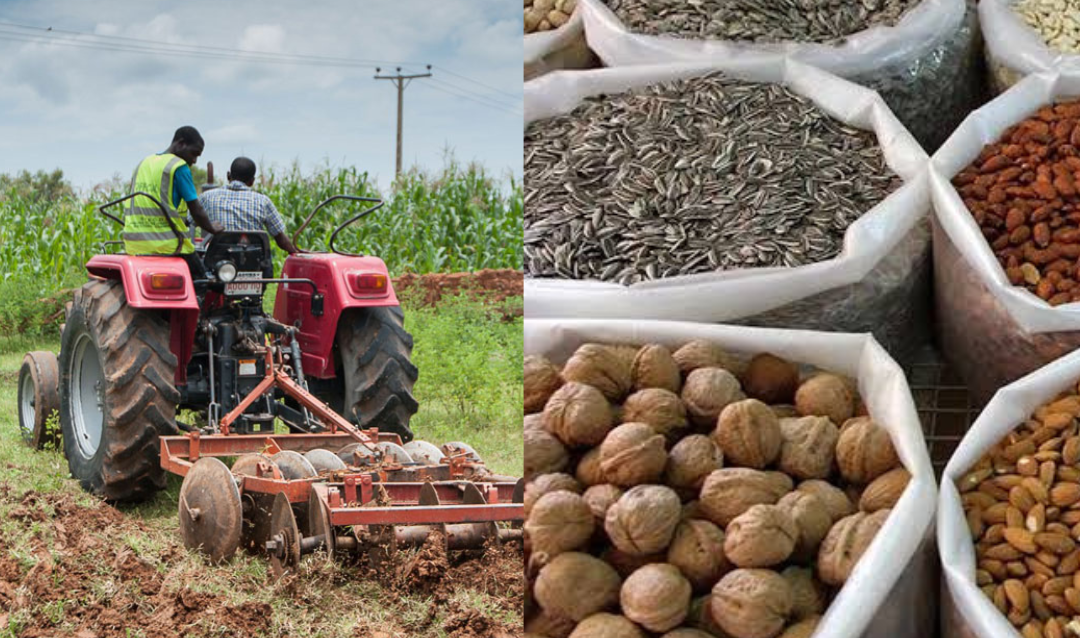
The conference is a business and policy gathering focused on transforming Nigerian agriculture from production into stronger commercial industries. It matters because organisers want to unlock investment in processing, finance, technology, market access and climate-smart agriculture, rather than leave producers dependent on raw commodity sales. In Uyo, producers can meet processors, exporters and potential off-takers. Project developers can present opportunities to investors and financial institutions. Discussions will also cover storage, packaging, mechanisation, cold chains, renewable energy and sustainable land use. These connections can help turn farm output into investable businesses. Government officials, development partners, agribusiness executives and technology providers are also expected. The conference will include business-to-government engagements and investment matchmaking. Organisers hope these partnerships will expand agricultural production, create jobs, improve food security and help Nigerian businesses reach other African markets through the African Continental Free Trade Area.
Based on reporting by Premium Times
What is the Agribusiness Roundtable International Conference in Uyo, and what partnerships is it designed to create?
The conference is a business and policy gathering focused on transforming Nigerian agriculture from production into stronger commercial industries. It matters because organisers want to unlock investment in processing, finance, technology, market access and climate-smart agriculture, rather than leave producers dependent on raw commodity sales.
In Uyo, producers can meet processors, exporters and potential off-takers. Project developers can present opportunities to investors and financial institutions. Discussions will also cover storage, packaging, mechanisation, cold chains, renewable energy and sustainable land use. These connections can help turn farm output into investable businesses.
Government officials, development partners, agribusiness executives and technology providers are also expected. The conference will include business-to-government engagements and investment matchmaking. Organisers hope these partnerships will expand agricultural production, create jobs, improve food security and help Nigerian businesses reach other African markets through the African Continental Free Trade Area.
What does it mean to export a raw agricultural commodity rather than process it locally?
A raw agricultural commodity is a farm product sold in its basic form, before substantial local processing, packaging or manufacturing. Exporting it raw means sending that product to another market instead of turning it into higher-value goods domestically. The article presents Nigeria’s drive as a move beyond this model toward local processing and industrial production.
For example, agricultural output could be connected to facilities that process, package, store or preserve it. Cassava, oil palm, cocoa, rice, aquaculture and livestock are identified as commodities with regional business potential. Processing changes the product and can create stronger links with manufacturers, exporters and consumers.
The article does not provide a specific raw-export example or compare prices. It does show why the shift matters: Nigeria needs investment in infrastructure, logistics, processing and markets to build competitive agro-industrial businesses, create jobs and retain more value from production.
How many days will the conference last, and which major groups are expected to attend?
The Agribusiness Roundtable International Conference is scheduled for 25 to 28 October, making it a four-day event when counting the stated dates inclusively. Its broad attendance reflects the organisers’ aim to connect different parts of agriculture’s business system, not simply hold a producer-focused meeting.
Expected participants include government officials, investors, development partners, commodity producers, agribusiness executives, technology providers and financial institutions. The organisers also want project developers, processors, exporters and potential off-takers to engage with one another. Each group brings a different resource, such as capital, farm output, technical tools, regulation or market access.
The gathering is intended to generate commercial partnerships and investment opportunities across African agricultural value chains. Its discussions will cover processing, financing, technology, markets and climate-smart agriculture. The article does not state how many people will attend, but it describes a wide cross-section of public and private stakeholders.
Why could processing, packaging, storage and cold-chain systems allow Nigeria to retain more value from its agricultural output?
Processing, packaging, storage and cold-chain systems allow agricultural products to remain useful, marketable and valuable after harvest. They can help producers sell goods in forms that meet buyers’ needs, instead of relying only on immediate sales of unprocessed output. This supports the article’s broader goal of retaining more value locally.
The conference will examine agro-processing facilities, storage systems, packaging, mechanisation and cold-chain infrastructure. Together, these systems can preserve products, prepare them for transport, and link them to processors, exporters and off-takers. Cold-chain infrastructure is especially relevant to products that require controlled temperatures, although the article does not name a specific product or quantify losses.
Nigeria has substantial agricultural resources, but the article says competitive agro-industrial businesses require infrastructure, processing, logistics and reliable markets. Building these systems could expand production and jobs. It could also strengthen food security and help Nigerian businesses develop export-oriented operations across African markets.
What roles do producers, processors, investors, financial institutions and off-takers play in turning farm products into commercial businesses?
Producers supply agricultural commodities. Processors transform those commodities into products that can be packaged, stored, sold or exported. Investors provide capital for businesses and infrastructure, while financial institutions structure or supply project finance. Off-takers are prospective buyers who can create dependable demand for what producers and processors make.
The conference is designed to bring these roles together. Producers may establish relationships with processors, exporters and potential off-takers. Project developers can engage prospective financiers, while technology providers can offer tools for processing, storage, mechanisation or logistics. Government officials and regulators can address policies, infrastructure and incentives.
The mechanism is commercial coordination. A buyer can clarify market needs, a processor can identify suitable supply, and financiers can assess a clearer business opportunity. The article says these relationships could turn Nigeria’s agricultural potential into viable businesses, increase production, create jobs and support expansion into other African markets.
What financing options, including blended finance, climate finance and private investment, could fund agricultural projects when ordinary loans are insufficient?
When a conventional loan cannot cover an agricultural project’s cost or risk, different funding sources can be combined. Blended finance brings together forms of public, development or private capital. Climate finance supports projects linked to climate-smart agriculture, renewable energy or sustainable land use. Private-sector investment supplies commercial capital seeking viable returns.
The conference will explore these models alongside investment matchmaking. A project developer could present a processing, storage or cold-chain project to financial institutions, investors and development partners. The article does not specify the exact structure of any deal, interest rate or repayment terms. It does state that organisers want to connect projects with prospective financiers.
These options matter because agricultural businesses often need infrastructure before they can generate stable revenue. Financing could support production, processing, logistics and greener systems. The organisers also plan to examine opportunities under the African Continental Free Trade Area, potentially widening markets for funded Nigerian businesses.
What is an agricultural value chain, and how does value move from a farm through processing and distribution to the final consumer?
An agricultural value chain is the sequence of activities and relationships that moves a farm product toward its buyer or final consumer. It begins with production and can include collection, processing, packaging, storage, transport, marketing and distribution. The article uses the idea to show how agriculture can become a connected commercial system rather than an isolated farm activity.
For example, a producer may supply cassava or rice to a processor. The product can then be processed, packaged, stored and moved through logistics channels to an exporter, retailer or other buyer. Investors and financiers support the facilities, while technology providers and policymakers help make the system work. Off-takers provide a destination for the output.
The article says stronger value chains could improve food security, create jobs and reduce poverty. It also highlights cold-chain infrastructure, market access and AfCFTA opportunities. These links matter because Nigeria has resources, but needs coordinated investment to convert production into viable businesses.
Key Facts:
📌 The fifth conference is scheduled for 25 to 28 October in Uyo.
📌 Organisers aim to connect producers with investors, processors and international markets.
📌 Discussions will cover finance, technology, processing and climate-smart agriculture.
📌 Raw exports leave agricultural products largely unprocessed before sale abroad.
📌 Nigeria wants to move toward local processing and industrial production.
📌 The article links processing with greater value retention and job creation.
📌 The conference runs from 25 to 28 October.