News · Politics & Governance
Data centres emerge as bipartisan concern in US midterms
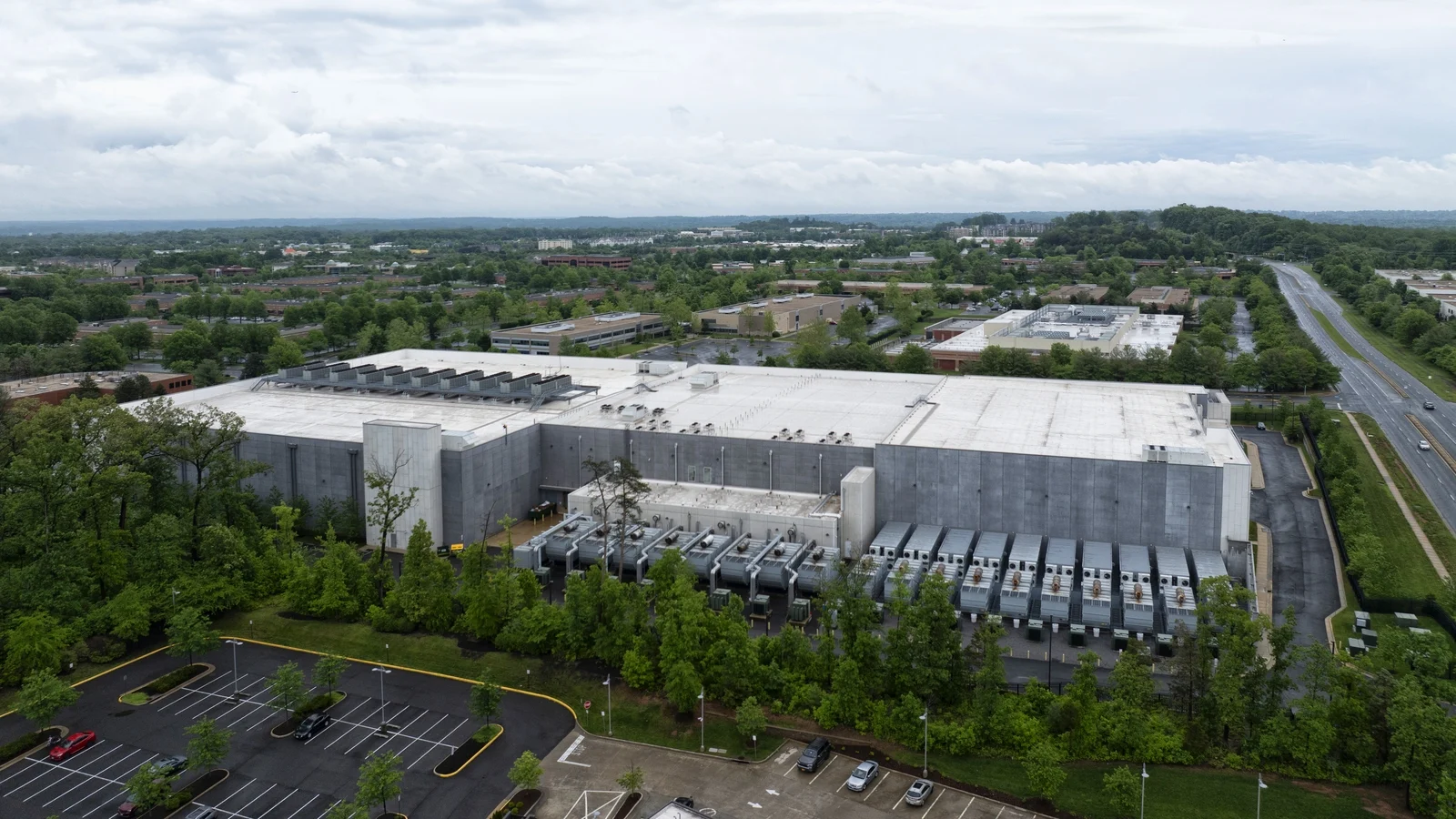
A data centre is a specialised facility containing computer servers, storage systems and networking equipment. It receives, processes and stores digital information. It then sends that information to users and organisations through online services. This infrastructure matters because modern cloud services and AI systems need large amounts of computing power and storage. The article does not explain the equipment inside these facilities in detail. In general, servers perform calculations, storage systems retain data, and network connections move information between the centre and its users. Data centres also need substantial electricity for computing and cooling, and some use water as part of cooling systems. Their growth is now affecting local politics. Loudoun County hosts around 250 data centres and generated a billion dollars in tax revenue this year. Residents also raise concerns about water use, electricity rates and environmental effects. The same facilities that support new digital technologies can therefore bring both economic benefits and local costs.
Based on reporting by RTE Ireland
What is a data centre, and what does it do?
A data centre is a specialised facility containing computer servers, storage systems and networking equipment. It receives, processes and stores digital information. It then sends that information to users and organisations through online services. This infrastructure matters because modern cloud services and AI systems need large amounts of computing power and storage.
The article does not explain the equipment inside these facilities in detail. In general, servers perform calculations, storage systems retain data, and network connections move information between the centre and its users. Data centres also need substantial electricity for computing and cooling, and some use water as part of cooling systems.
Their growth is now affecting local politics. Loudoun County hosts around 250 data centres and generated a billion dollars in tax revenue this year. Residents also raise concerns about water use, electricity rates and environmental effects. The same facilities that support new digital technologies can therefore bring both economic benefits and local costs.
How large is Loudoun County's data-centre industry, and how much tax revenue does it generate?
Loudoun County’s data-centre industry is unusually large. The county hosts around 250 data centres, helping explain its reputation as the data-centre capital of the world. This concentration has made the county a leading example in the wider debate over how much development communities should accept.
The industry generated a billion dollars in tax revenue this year. Local resident Len said data centres help keep property taxes down, adding that Loudoun’s property taxes are much lower than those in surrounding areas. This is the main financial mechanism described in the article: data-centre development expands the county’s tax base.
The benefits have not ended the argument. Some residents believe the county already has enough facilities and should issue no more permits. As November’s elections approach, voters are weighing whether the revenue is worth the pressure on water, electricity, the environment and local surroundings.
Why has Loudoun County become known as the data-centre capital of the world?
Loudoun County became known as the data-centre capital of the world because it attracted and concentrated a very large number of facilities. The county, just outside Washington DC, now hosts around 250 data centres. Its scale made it a model for data-centre development and a major source of local tax revenue.
The county’s success also created a visible contrast. Residents describe wooded areas being replaced by rows of data centres. One local man said a couple were acceptable, but facilities now seem to be everywhere and continue appearing. The concentration makes the industry’s benefits and costs easy to see in one community.
That visibility has made Loudoun a case study in a debate spreading across the United States. The county generated a billion dollars in tax revenue this year, but residents cite water use, electricity rates and environmental effects. Some now want fewer permits or a limit on new facilities.
What happens to local electricity use, water supplies, the environment and property taxes when more data centres are built?
More data centres bring competing local effects. They require electricity to run computing equipment and cooling systems, while water may be used in cooling. The article reports concerns about electricity rates, water use and the overall environmental impact. It does not quantify how much local electricity or water use changes with each new facility.
Loudoun County shows the trade-off clearly. Residents describe wooded areas being replaced by data centres, and one woman called their water usage and environmental impact scary. At the same time, local resident Len said the facilities help keep property taxes down. The county generated a billion dollars in tax revenue this year.
The result is not a simple economic verdict. Some residents accept the facilities because of lower taxes, but believe there are already enough. Others want the county to stop issuing permits. The issue is likely to influence elections and future decisions about environmental safeguards, transparency and development limits.
Why are both Republican and Democratic candidates making data-centre development an issue in the US midterm elections?
Republican and Democratic candidates are making data centres an issue because public opposition has grown. Brookings Institution polling found that most Americans oppose data centres being built in their communities. Concerns include electricity rates, water use and whether the facilities create enough jobs. The issue affects rural and urban communities, and both low- and high-income residents.
Candidates are responding directly to those voters. Congressional hopefuls are running targeted ads about data centres and demanding moratoriums, safety measures and transparency. In Texas, Democrat Gina Hinojosa criticised Republican Governor Greg Abbott for being too sympathetic, while Abbott endorsed an audit as the state studies the industry’s impact. Ohio’s leading gubernatorial candidates both support regulation.
The issue remains secondary to living costs and high gas prices, but it is gaining attention before the midterms. Experts describe it as disruptive and politically cross-party. Local voters may influence future rules on permits, oversight and AI-related investment.
What alternatives do communities and governments have to unrestricted data-centre expansion, such as moratoriums, audits, permits or transparency rules?
Communities and governments have several ways to control data-centre growth. They can impose moratoriums, pause new projects while studying impacts, or limit the number of permits issued. They can also require safety measures and greater transparency before approving construction. These tools matter because residents want a voice in projects affecting water, electricity, the environment and local landscapes.
The article gives several concrete examples. Some congressional candidates are demanding moratoriums, safety and transparency. Greg Abbott endorsed an audit of Texas data-centre development while the state studies its impact. In Ohio, both leading candidates for governor want regulation. Loudoun County resident Josh wants officials to limit the number of facilities and stop granting further permits.
These approaches do not necessarily reject every data centre. They can slow development, gather information or set conditions for approval. The immediate political question is whether communities should permit more construction after reaching what some residents call a saturation point. Election results could shape those policies and future AI investment.
How do data centres provide the computing power and storage needed for cloud services and artificial-intelligence systems?
Data centres provide the physical foundation for cloud services and AI systems. In general, they contain powerful servers that perform calculations, storage systems that hold data and networks that move information. Users access these resources remotely instead of relying only on devices in their homes or offices. Large digital systems can therefore share computing capacity across many users.
The article connects data centres directly with AI investment and calls AI transformational. Its expert, Sujai Shivakumar, says AI will create disruption and that society is only seeing its initial stages. The article does not describe specific servers, storage technologies or network layouts, so those technical details come from established computing knowledge.
This infrastructure helps explain why data-centre construction is accelerating while creating controversy. Facilities support digital services and future AI systems, but they also require resources and affect host communities. Loudoun County illustrates the tension: around 250 facilities generate major tax revenue, while residents question water use, environmental effects and further growth.
Key Facts:
📌 Data centres store and process digital information.
📌 They provide infrastructure for cloud services and AI systems.
📌 Their growth creates both economic benefits and local concerns.
📌 Loudoun County hosts around 250 data centres.
📌 Data centres generated a billion dollars in tax revenue this year.
📌 Residents debate whether the financial benefits justify further expansion.
📌 Loudoun County is just outside Washington DC.