News · Social Issues
Nepal is failing women drug abusers. The government must step up
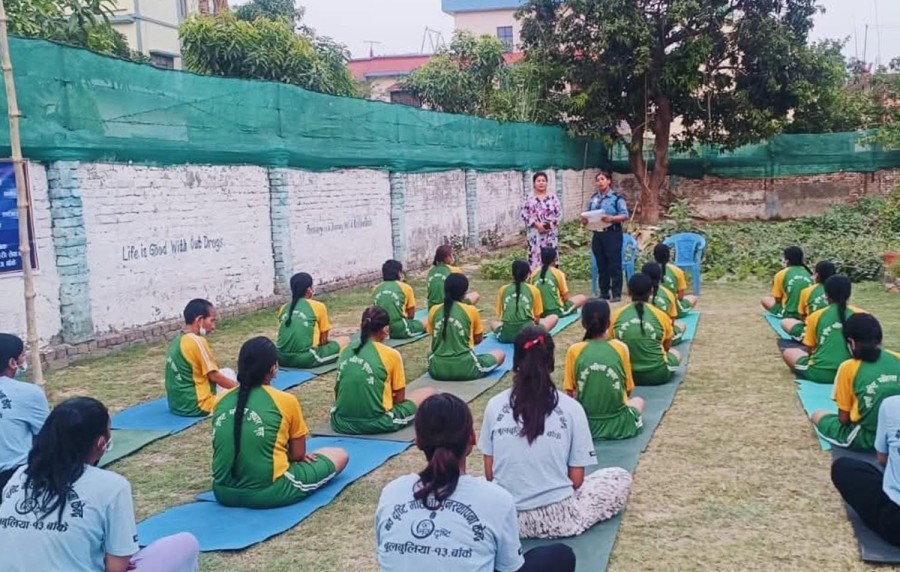
Drug addiction means repeated drug use has become difficult to control and is tied to dependence, harm or both. Occasional use is different because it does not necessarily create dependence or take over someone’s health, choices and daily life. The article describes drug dependence as a “multi-dimensional issue,” not simply a bad decision. This distinction matters after rehabilitation. A woman may stop using drugs in a centre but still face poverty, rejection, emotional distress and nowhere safe to live. Without support, those pressures can make recovery fragile. The problem is therefore not solved by treatment alone. The article presents addiction as both a public-health and social crisis. Nepal’s response must include treatment, counselling, housing, education, work and family support. It also needs a gendered lens because violence, unequal opportunities, family expectations and stigma can shape women’s addiction and recovery.
Based on reporting by Kathmandu Post Nepal
What does drug addiction mean, and how is it different from occasional drug use?
Drug addiction means repeated drug use has become difficult to control and is tied to dependence, harm or both. Occasional use is different because it does not necessarily create dependence or take over someone’s health, choices and daily life. The article describes drug dependence as a “multi-dimensional issue,” not simply a bad decision.
This distinction matters after rehabilitation. A woman may stop using drugs in a centre but still face poverty, rejection, emotional distress and nowhere safe to live. Without support, those pressures can make recovery fragile. The problem is therefore not solved by treatment alone.
The article presents addiction as both a public-health and social crisis. Nepal’s response must include treatment, counselling, housing, education, work and family support. It also needs a gendered lens because violence, unequal opportunities, family expectations and stigma can shape women’s addiction and recovery.
How many people are estimated to abuse drugs in Nepal, and how many women are officially recorded among recent drug offenders?
The 2019 report “Hard Drug Users in Nepal” estimated that 130,425 people abuse drugs nationwide. It also recorded an annual growth rate of 5.06 percent. These figures show a large and expanding crisis, while the article warns that official counts may miss many women.
In fiscal year 2024-25, 1,167 people were involved in drug offences. Of them, 603 were users and 564 were smugglers. The recorded female figures were 38 users and 43 smugglers, making 81 female offenders altogether. The user and smuggler categories should not be confused with the total number of women living with addiction.
The article stresses that women’s numbers could be higher because official figures seldom capture the full scale of female addiction. Better reporting would help governments plan treatment, rehabilitation, protection and reintegration services. Without accurate data, women can remain overlooked in policy and budgets.
Why do women with drug addictions often face greater rejection, violence and economic insecurity than men?
Women often face greater rejection because families may protect an addicted son but reject an addicted daughter in the name of ijjat, or family honour. Addiction can also expose women to social stigma and sexual violence. These pressures make treatment and recovery harder, especially when family support disappears.
The article links women’s addiction to family breakdown, emotional distress, peer pressure, curiosity and economic insecurity. After treatment, many women have no safe place to live and no way to earn. Without family acceptance or public services, they may be pushed toward commercial sex work or back toward drugs for survival.
This is why the article calls for a gendered approach. Policies must address violence, unequal economic opportunities, family expectations and stigma alongside drug treatment. Support for women should protect dignity, provide safety and include families in counselling, rather than treating addiction as an individual failure.
What happens to many women after they leave rehabilitation when they lack housing, income and family support?
Leaving rehabilitation does not guarantee recovery. Women may return to the same poverty, rejection, stress and insecurity that surrounded their addiction. If they have no safe housing, income or supportive family, daily survival can become more urgent than staying drug-free.
The article gives a stark result: many women without post-rehabilitation support end up in commercial sex work or “crawl back” to drug abuse for survival. Private rehabilitation centres may provide shelter during treatment, but women often have nowhere to go afterward. The key mechanism is the gap between temporary treatment and long-term reintegration.
Local governments are urged to provide temporary housing, counselling, education and employment assistance after rehabilitation. Families should also join counselling programmes. Without these steps, treatment can become temporary relief rather than a route to safety, dignity and a sustainable livelihood.
What responsibilities do Nepal’s national, provincial and local governments have under the country’s drug-control policies?
Nepal’s National Drug Control Policy 2006 and Strategy 2009 recognise drug dependence as a multi-dimensional issue. They mandate provincial and local governments to address it. The national government must therefore ensure the policy receives serious implementation, resources and oversight rather than remaining a formal commitment.
Provincial governments should establish free, well-equipped treatment and rehabilitation services that meet women’s needs. Local governments should fund infrastructure, create rescue procedures, monitor rehabilitation centres and provide post-rehabilitation support. That support includes temporary housing, counselling, education and employment assistance.
The article describes a major implementation gap. Banke district’s eight local units had allocated no budget for drug-abuse infrastructure and resources. They had also developed no rescue procedures or post-rehabilitation employment schemes for female drug abusers. Governments must act together, while families and civil society remain part of recovery.
What kinds of support could help women avoid relapse, such as temporary housing, counselling, education, employment and peer networks?
Women are more likely to avoid relapse when recovery continues after they leave rehabilitation. Temporary housing offers safety, while counselling can address distress and help families understand addiction. Education and employment assistance can create lawful ways to earn and reduce economic insecurity.
The article also recommends creative interventions using arts, technology, peer networks and sport programmes. These approaches can give women structure, connection and hopeful alternatives. Family counselling matters because rejection can push women back toward unsafe situations. Support must continue beyond the rehabilitation centre.
Local governments are urged to maintain post-rehabilitation programmes rather than stopping at public awareness. Provincial governments should provide free, well-equipped services for women, and authorities must monitor centres because of concerns about suspicious deaths. Together, safety, skills, income, relationships and oversight can make recovery more realistic and dignified.
Why is addiction treated as a public-health and social issue rather than only as a crime or a matter of personal choice?
The article calls drug abuse a growing social and public-health crisis because it affects health, safety, families and livelihoods. People may turn to drugs amid poverty, unemployment, stress, anxiety, family breakdown, peer pressure or curiosity. These conditions cannot be solved through punishment or personal willpower alone.
Women face additional pressures, including sexual violence, social stigma, unequal economic opportunities and family expectations. After rehabilitation, rejection and poverty can leave them without housing or income. Some then enter commercial sex work or return to drug use for survival. The crisis therefore continues beyond any single offence or treatment episode.
A public-health and social response means prevention, free treatment, safe rehabilitation, monitoring and long-term reintegration. It also means jobs, family counselling and hopeful opportunities. The article argues that governments remain partly responsible if policy ignores the gendered realities driving addiction and relapse.
Key Facts:
📌 Addiction is described as a multi-dimensional issue.
📌 Occasional drug use does not necessarily mean dependence.
📌 Recovery can fail without housing, income and social support.
📌 Nepal has an estimated 130,425 people abusing drugs.
📌 Drug abuse was growing annually by 5.06 percent.
📌 Recent records listed 38 female users and 43 female smugglers.
📌 Families may reject addicted daughters because of ijjat, or family honour.