News · History & Heritage
Sacred Splendor brings the Valley’s living heritage under one roof
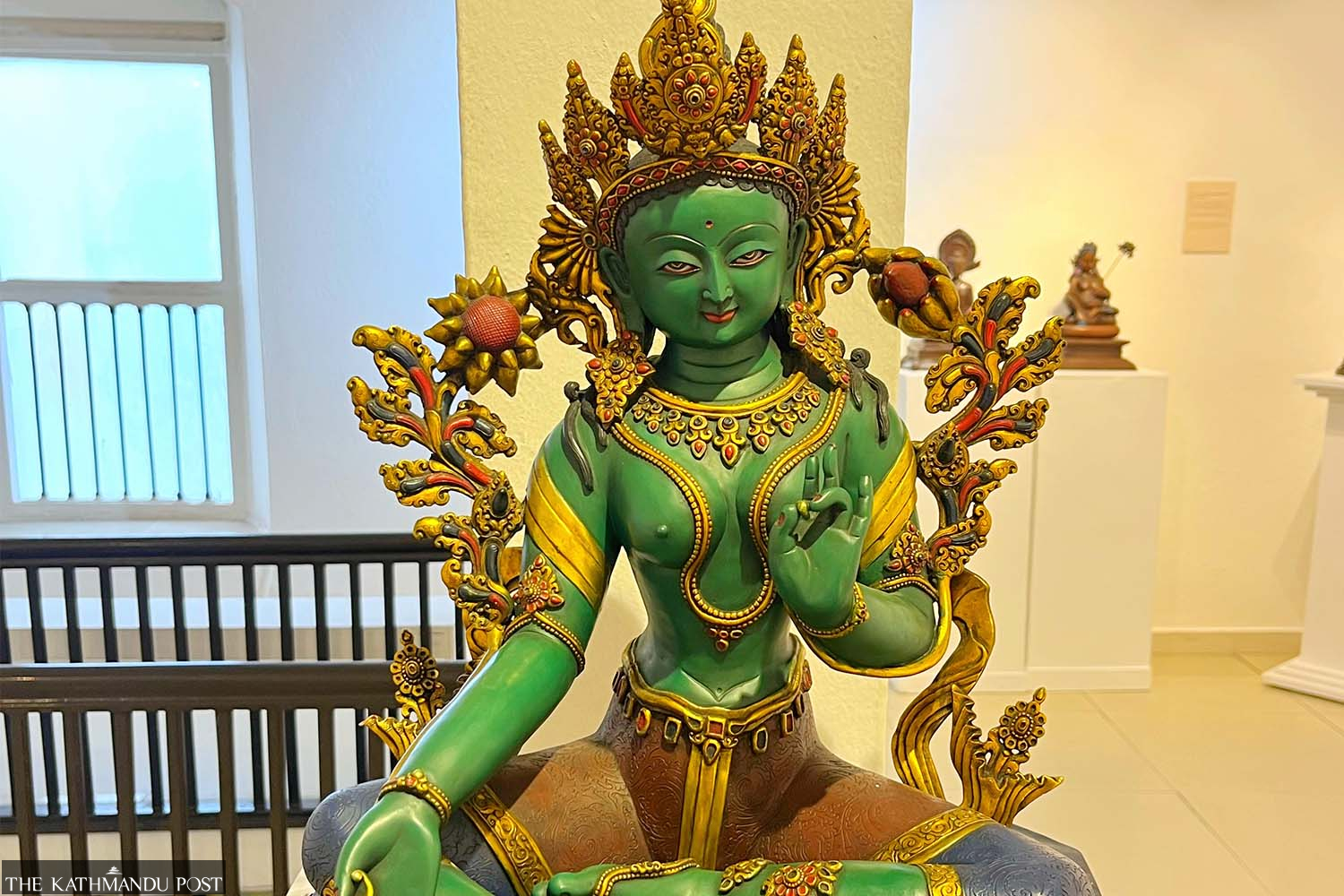
Sacred Splendor is an exhibition of the Kathmandu Valley’s sacred art and living heritage. It marks the 39th anniversary of Siddhartha Art Gallery. The show matters because it connects art, faith and traditional craftsmanship in one place. It presents this heritage as an active practice, not simply as something from the past. Visitors can see intricate metal sculptures, wood engravings and traditional paubha paintings. Hindu and Buddhist imagery appears side by side. Pradip Shakya curated the exhibition, which brings together work by 35 traditional master artists and shows techniques passed through artisan families. The exhibition is currently open at Siddhartha Art Gallery in Babar Mahal Revisited. It runs until November 6. Opening hours are 11 am to 5 pm, and entry is free. These details make the exhibition accessible to anyone interested in the Valley’s art, religion and cultural traditions.
Based on reporting by Kathmandu Post Nepal
What is Sacred Splendor, and where and when can people see it?
Sacred Splendor is an exhibition of the Kathmandu Valley’s sacred art and living heritage. It marks the 39th anniversary of Siddhartha Art Gallery. The show matters because it connects art, faith and traditional craftsmanship in one place. It presents this heritage as an active practice, not simply as something from the past.
Visitors can see intricate metal sculptures, wood engravings and traditional paubha paintings. Hindu and Buddhist imagery appears side by side. Pradip Shakya curated the exhibition, which brings together work by 35 traditional master artists and shows techniques passed through artisan families.
The exhibition is currently open at Siddhartha Art Gallery in Babar Mahal Revisited. It runs until November 6. Opening hours are 11 am to 5 pm, and entry is free. These details make the exhibition accessible to anyone interested in the Valley’s art, religion and cultural traditions.
What is a paubha painting, and what kinds of religious subjects does it usually depict?
A paubha is a traditional devotional painting associated especially with the Newar artistic tradition of the Kathmandu Valley. It is usually made with careful detail and presents sacred figures, deities, mandalas or religious narratives. Such paintings support worship, meditation and the visual teaching of religious ideas. This definition comes from established knowledge; the article itself only identifies paubha paintings as part of the exhibition.
Sacred Splendor places these paintings alongside intricate metal sculptures and wood engravings. The exhibition includes both Hindu and Buddhist imagery. That pairing reflects the Valley’s long history of cultural coexistence and shows how religious subjects can appear through several artistic forms.
The article does not name specific paubha subjects or individual painters. It does state that the works come from traditional master artists and that their media have passed through generations of artisan families. The paintings therefore represent both religious expression and inherited craftsmanship.
How large is the exhibition, and what kinds of artworks and materials does it include?
The exhibition includes 35 traditional master artists. This gives Sacred Splendor a broad human scale while keeping its focus on skilled makers and inherited traditions. Its purpose is not only to display beautiful objects. It also shows how the Kathmandu Valley’s art, faith and craftsmanship remain connected.
The works cover several media. Visitors can see intricate metal sculptures, wood engravings and traditional paubha paintings. These forms share the gallery walls, while Hindu and Buddhist imagery appears together. The key mechanism is variety: different materials and techniques express sacred themes while revealing the depth of the Valley’s artistic traditions.
The article does not give the exhibition’s total number of individual artworks or specify the exact materials used in every piece. It does say that the media have been passed down through generations of artisan families. Sacred Splendor therefore presents a wide artistic range as a continuing cultural practice.
Who are the traditional master artists involved, and how have artisan families passed these skills from one generation to the next?
The 35 contributors are described as traditional master artists. The article does not provide their names, biographies or individual specialties. Instead, it presents them collectively as skilled practitioners connected to the Kathmandu Valley’s long relationship between art, faith and craftsmanship.
Their work includes metal sculptures, wood engravings and paubha paintings. The central mechanism of transmission is family-based learning. The article says these media have been passed down through generations of artisan families. This suggests continuity through inherited practice, although it does not describe exactly how families teach, train or organise that work.
Their involvement matters because Sacred Splendor treats the artworks as part of a living tradition. The exhibition does not frame the artists’ knowledge as something finished or detached from present life. By bringing their work together, it makes inherited skills visible and shows how family traditions continue to support the Valley’s sacred art.
Why is it significant that Hindu and Buddhist imagery is displayed side by side in an exhibition about the Kathmandu Valley?
The side-by-side display matters because Hindu and Buddhist traditions have long coexisted in the Kathmandu Valley. Sacred Splendor reflects that history rather than separating the Valley’s religious art into isolated categories. The exhibition therefore shows cultural heritage as interconnected and shared across communities.
Its concrete example is the placement of Hindu and Buddhist imagery within the same exhibition. These images appear among metal sculptures, wood engravings and paubha paintings. The key mechanism is curatorial arrangement: bringing different religious traditions together allows visitors to see coexistence through visual culture, materials and inherited artistic forms.
This approach also supports the exhibition’s larger idea that sacred art is living practice. The works are not presented only as historical objects. They come from traditional master artists and artisan families whose media have continued across generations. The display links the Valley’s past with its continuing cultural identity, while the article does not claim that all religious practices are identical.
What is the difference between treating sacred art as a living practice and treating it as a museum relic?
Treating sacred art as a living practice means recognising that people still make, maintain and connect with it through faith and craftsmanship. The art remains tied to communities and inherited skills. Treating it as a museum relic focuses mainly on preserving an object from the past, often separating it from the traditions that gave it meaning.
Sacred Splendor makes this difference clear by bringing together works from 35 traditional master artists. The exhibition includes metal sculptures, wood engravings and paubha paintings. These media have been passed through generations of artisan families. Their continued production is the key sign that the tradition is active rather than merely historical.
The exhibition also places Hindu and Buddhist imagery side by side, reflecting cultural coexistence in the Valley. This presentation encourages viewers to see sacred art as part of present heritage. The article does not describe specific future projects, but the exhibition’s approach supports continued recognition of artists, families and traditional skills.
How do religious beliefs, artistic techniques and community traditions work together to preserve cultural heritage?
Religious beliefs provide the ideas and sacred subjects expressed through the artworks. Artistic techniques turn those ideas into visible forms, including sculptures, engravings and paintings. Community traditions connect both elements to families and shared cultural life. Heritage survives when meaning, skill and social practice reinforce one another.
Sacred Splendor shows this relationship through Hindu and Buddhist imagery displayed together. It also includes metal sculptures, wood engravings and paubha paintings made through traditional forms. The article identifies artisan families as the channel through which these media have passed from one generation to the next. Faith supplies purpose, while craftsmanship supplies the method.
The exhibition presents this system as ongoing rather than finished. Thirty-five traditional master artists contribute work, making inherited knowledge visible in the present. By placing these works under one roof, Sacred Splendor highlights both continuity and coexistence. The article does not describe specific preservation programmes, but it shows how exhibition and family transmission can keep cultural heritage recognised.
Key Facts:
📌 Sacred Splendor marks Siddhartha Art Gallery’s 39th anniversary.
📌 The exhibition runs until November 6 at Babar Mahal Revisited.
📌 Entry is free, with visiting hours from 11 am to 5 pm.
📌 Paubha paintings are traditional devotional artworks from the Kathmandu Valley tradition.
📌 The article includes paubhas among Sacred Splendor’s featured art forms.
📌 The exhibition places Hindu and Buddhist imagery side by side.
📌 Thirty-five traditional master artists contribute to Sacred Splendor.