News · Economy & Business
EU Imports Record 12.18 Million Tonnes of Russian Arctic LNG
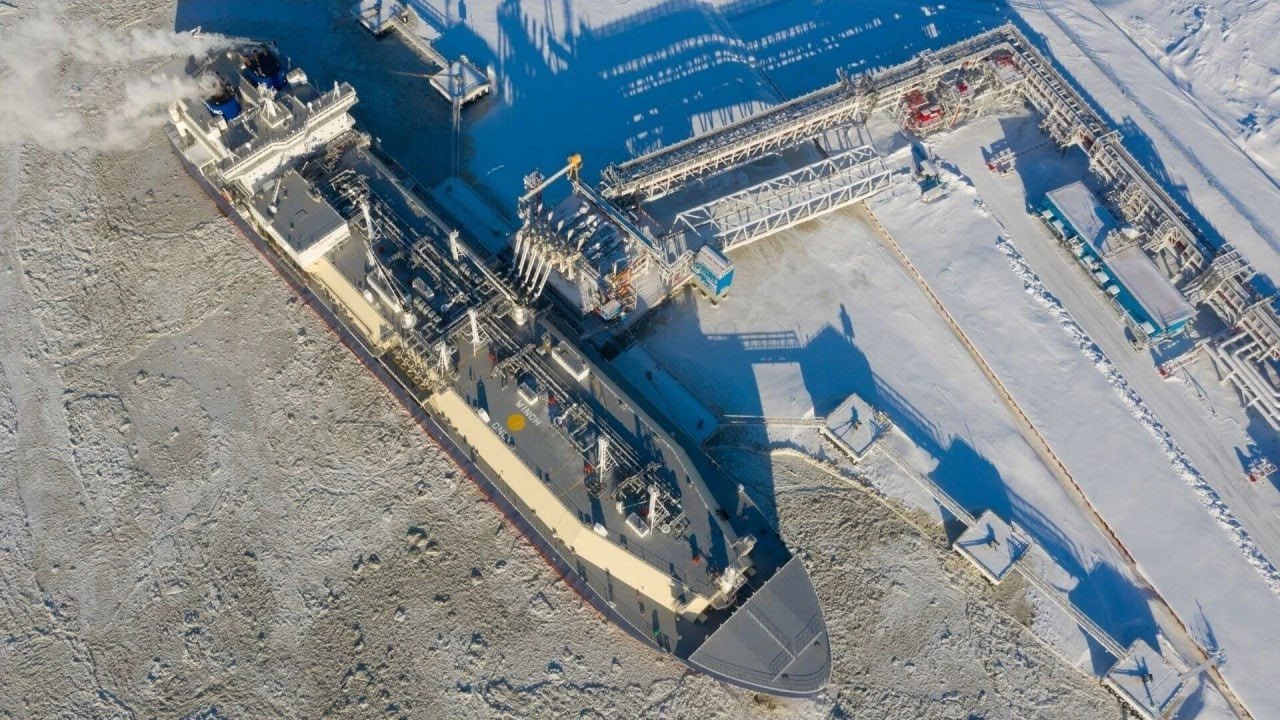
Europe imported a record 12.18 million metric tons of Russian liquefied natural gas from Yamal in the first nine months of 2026. The purchases were estimated at €7.88 billion, showing Europe remained central to Russia’s Arctic gas trade despite planned EU restrictions. Shipments rose 9.5% from the same period last year, while Yamal’s worldwide deliveries fell 1.3%. Europe received 167 cargoes, or 85% of recorded deliveries by volume, because its ports are close to Yamal and support the specialized ice-capable tankers. Quarterly imports reached €2.88 billion, €3.08 billion, and €1.92 billion, although third-quarter volume fell 13.6% year over year. September still brought 792,440 tons worth about €818 million. Short-term contract restrictions have not noticeably reduced flows, but a wider ban begins January 1, 2027, while potential U.S. sanctions create uncertainty for the tanker fleet.
Based on reporting by gCaptain
What happened to Europe’s imports of Russian Arctic LNG during the first nine months of 2026?
Europe imported a record 12.18 million metric tons of Russian liquefied natural gas from Yamal in the first nine months of 2026. The purchases were estimated at €7.88 billion, showing Europe remained central to Russia’s Arctic gas trade despite planned EU restrictions.
Shipments rose 9.5% from the same period last year, while Yamal’s worldwide deliveries fell 1.3%. Europe received 167 cargoes, or 85% of recorded deliveries by volume, because its ports are close to Yamal and support the specialized ice-capable tankers.
Quarterly imports reached €2.88 billion, €3.08 billion, and €1.92 billion, although third-quarter volume fell 13.6% year over year. September still brought 792,440 tons worth about €818 million. Short-term contract restrictions have not noticeably reduced flows, but a wider ban begins January 1, 2027, while potential U.S. sanctions create uncertainty for the tanker fleet.
What is liquefied natural gas, and why is Russian gas from the Yamal Arctic project shipped as LNG?
LNG is natural gas cooled to about -162°C until it becomes a liquid. This greatly reduces its volume, making gas transportable by ship instead of pipeline. That matters for remote production sites.
Yamal LNG produces gas in Russia’s Arctic, far from many customers. It is loaded onto specialized Arc7 ice-class carriers, which can navigate icy waters. European terminals provide nearby unloading, maintenance, and rapid return to Yamal. Winter also makes eastbound voyages through the Northern Sea Route harder.
The system remains active despite planned European restrictions. Europe received 12.18 million tons in the first nine months of 2026, across 167 cargoes. That represented 85% of Yamal’s recorded deliveries, while shipments rose 9.5% year-over-year. However, the EU’s broader ban on eligible long-term contracts starts January 1, 2027.
Why was Europe still buying so much Russian LNG despite its plan to phase out Russian energy imports?
Europe was still buying because its phaseout was gradual, not immediate. Existing short-term contracts faced restrictions only from April 25, while eligible long-term contracts continue until January 1, 2027.
For example, Yamal sent Europe 12.18 million metric tons in the first nine months, worth an estimated €7.88 billion. Europe handled 167 cargoes, or 85% of the project’s recorded deliveries. Yamal also depends on specialized Arc7 carriers, which need nearby European ports for unloading and maintenance. Winter conditions make eastbound routes to Asia harder, so Europe helps keep the fleet moving efficiently.
September shipments still reached 792,440 tons, slightly above last year, despite the short-term restrictions. Third-quarter deliveries fell 13.6% year over year, showing some weakening. Possible U.S. sanctions on vessels or port operators add uncertainty, while the broader EU ban scheduled for 2027 should create greater pressure.
What could happen to Yamal LNG shipments when the EU’s broader import ban begins in 2027 and the United States applies additional sanctions?
The EU plans to ban eligible existing long-term Russian LNG contracts on Jan. 1, 2027. Yamal could lose its most important nearby market. U.S. sanctions could also target vessels, Yamal-linked people, or foreign port operators, making sales and transport harder. Their combined effect could reduce shipments or force costly, slower rerouting, but enforcement remains uncertain.
Yamal sent Europe 12.18 million metric tons in the first nine months of 2026, or 85% of recorded deliveries. Its Arc7 ice-class tankers depend on European terminals and shipyards to unload, receive maintenance, and return quickly. Without that access, vessels may need longer Asian routes, especially when winter complicates Northern Sea Route travel.
Short-term contract restrictions have not noticeably reduced September deliveries: Europe received 792,440 tons, worth an estimated €818 million. The 2027 ban could disrupt both sales and the fleet’s quick turnaround, while U.S. action could intensify uncertainty. Actual effects will depend on enforcement and available alternative routes.
Why does Yamal LNG depend so heavily on European terminals and shipyards rather than sending all of its cargoes directly to Asia?
Yamal LNG relies on Europe because its Arctic tankers need regular unloading and maintenance close to the project. Sending every cargo directly to Asia would require longer, harder voyages. Winter ice especially complicates the Northern Sea Route.
The project uses a relatively small fleet of Arc7 ice-class LNG carriers. European terminals let these vessels unload, reach shipyards, and return to Yamal quickly. That turnaround keeps the same specialized ships available, while eastbound trips toward Asia become more difficult in winter.
This dependence was visible in 2026: Europe received 167 cargoes, or 85% of Yamal’s recorded volume. Those shipments totaled 12.18 million tons and an estimated €7.88 billion through September. The EU’s planned full import ban starts January 1, 2027, but shipping needs may make rerouting difficult.
How do liquefaction, specialized ice-class tankers, Arctic sea routes, and regasification terminals allow natural gas to become a global commodity?
Liquefaction cools natural gas into a compact liquid. This makes ocean transport practical over long distances. At the destination, regasification terminals turn it back into gas for consumers.
Yamal LNG shows this system in action. Its Arc7 carriers operate in Arctic waters. They move cargo through sea routes and return quickly to European terminals for unloading and maintenance. From there, gas can enter existing networks, giving Russia access to distant markets. Winter conditions make eastbound voyages toward Asia more difficult, increasing Europe’s logistical importance.
In the first nine months of 2026, Europe received 12.18 million metric tons from Yamal. That represented 167 cargoes and 85% of the project’s recorded deliveries by volume. This dependence shows LNG’s reach and vulnerability. Europe’s 2027 import ban and possible U.S. sanctions could disrupt ships, routes, or terminal access.
Key Facts:
📌 Europe imported a record 12.18 million tons from Yamal through September 2026.
📌 Imports rose 9.5%, while Yamal’s global deliveries fell 1.3%.
📌 Europe received 167 cargoes, representing 85% of Yamal’s recorded volume.
📌 Cooling gas into LNG makes ship transport possible from Yamal’s remote Arctic fields.
📌 Europe received 12.18 million tons from Yamal in the first nine months of 2026.
📌 Yamal relies on Arc7 carriers built for icy Arctic waters.
📌 Europe received 85% of Yamal’s recorded deliveries by volume.