News · Politics & Governance
Opposition says will meet President Droupadi Murmu at 8 pm amid stir against EC
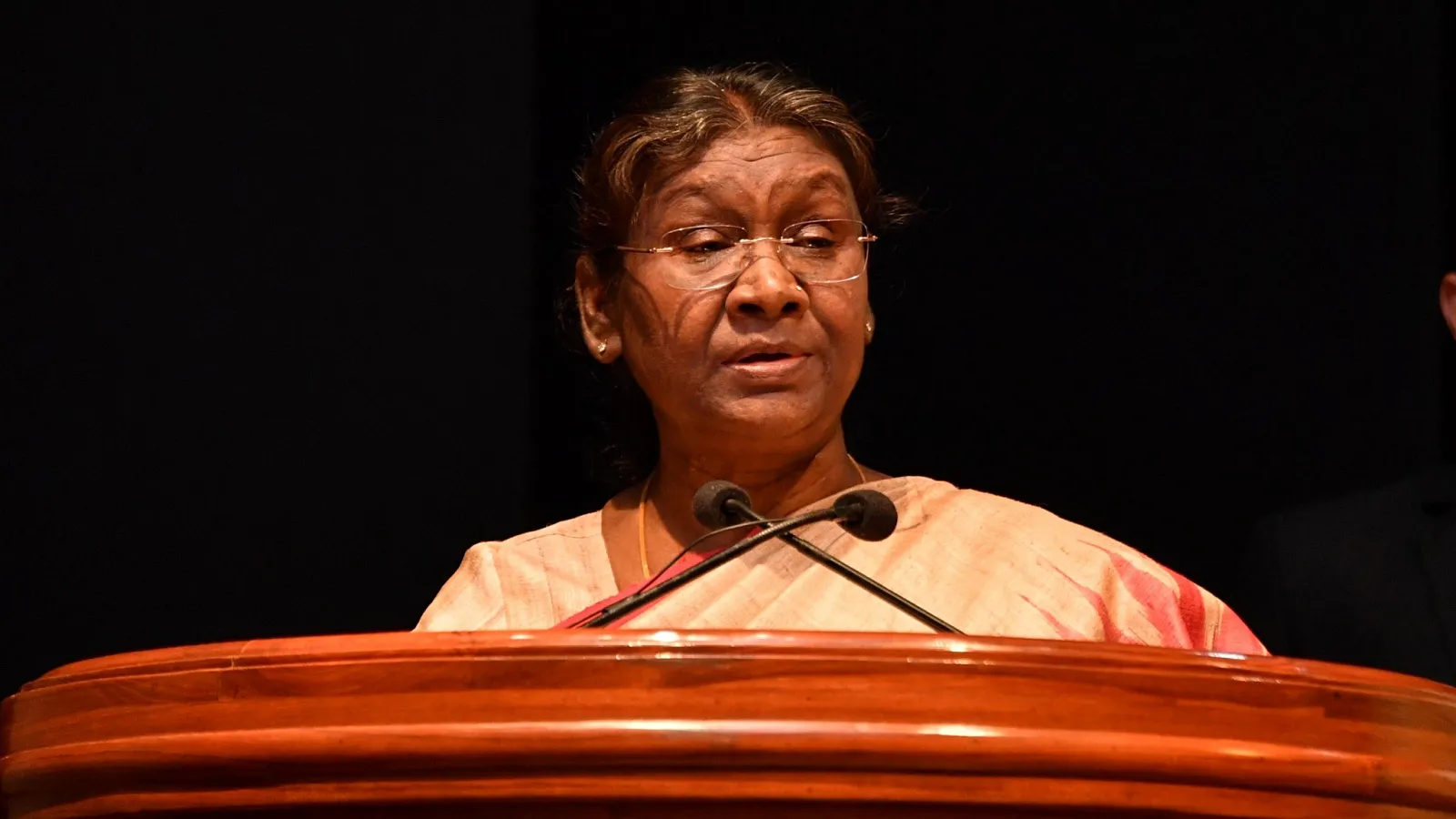
The source text is a professional biography of journalist Asad Rehman. It contains no report about opposition parties, President Droupadi Murmu, or a proposed political meeting. Therefore, it cannot establish who plans to meet the President or what concern they intend to raise. In general, opposition parties may seek a presidential meeting when they want to present a collective constitutional or electoral concern. Such concerns can involve the Election Commission’s decisions, procedures, or perceived independence. However, naming particular parties or describing a specific dispute here would go beyond the supplied text. The immediate reality is that this question needs a separate news report or official statement. The source identifies Rehman’s coverage of politics and policy, but it does not describe this episode. No reliable conclusion about the delegation or its demands can be drawn from the provided material.
Based on reporting by Indian Express
Which opposition parties or leaders are planning to meet President Droupadi Murmu, and what immediate concern are they raising about the Election Commission?
The source text is a professional biography of journalist Asad Rehman. It contains no report about opposition parties, President Droupadi Murmu, or a proposed political meeting. Therefore, it cannot establish who plans to meet the President or what concern they intend to raise.
In general, opposition parties may seek a presidential meeting when they want to present a collective constitutional or electoral concern. Such concerns can involve the Election Commission’s decisions, procedures, or perceived independence. However, naming particular parties or describing a specific dispute here would go beyond the supplied text.
The immediate reality is that this question needs a separate news report or official statement. The source identifies Rehman’s coverage of politics and policy, but it does not describe this episode. No reliable conclusion about the delegation or its demands can be drawn from the provided material.
What is the Election Commission of India, and what role does it play in conducting elections?
The Election Commission of India is an independent constitutional authority created under Article 324 of India’s Constitution. Its core role is to supervise, direct, and control elections to Parliament, state legislatures, and the offices of President and Vice-President. The provided source does not explain the Commission, so this definition uses established constitutional knowledge.
The Commission turns election law into an operating process. It prepares electoral rolls, announces election schedules, oversees nominations and polling, sets or enforces election procedures, and counts or supervises the counting of votes. It also works with election officials across states and territories.
Its decisions affect who can vote, when voting occurs, and how candidates and parties compete. That makes public trust essential. If the authority is seen as impartial, election results gain legitimacy. If its independence is questioned, political conflict can intensify, as the source’s broader focus on politics and policy suggests.
What decisions or actions by the Election Commission have led to the current political stir?
The source text does not mention the Election Commission’s decisions, actions, or any resulting political controversy. It is a biography of Asad Rehman, who covers politics and policy, especially issues concerning religious minorities in India. It therefore cannot support a specific account of what triggered the current stir.
In general, political controversy around the Commission can follow decisions about electoral schedules, voter rolls, election procedures, candidate rules, or enforcement of campaign standards. The mechanism is straightforward: the Commission’s choices affect how elections are organised, so parties may challenge decisions they consider unfair, delayed, or insufficiently transparent.
The current reality cannot be identified from this source alone. Rehman has covered major political and legal developments, including citizenship-law protests and landmark litigation, but the biography does not connect him to a particular Election Commission story. A separate report would be needed to name the disputed actions accurately.
How many members generally make up the Election Commission, and who appoints them?
India’s Election Commission generally operates as a three-member body: the Chief Election Commissioner and two Election Commissioners. The Constitution allows the Commission to include the Chief Election Commissioner and such number of other Election Commissioners as the President may fix, subject to parliamentary law.
The President formally appoints these officials. Under the current statutory framework, a selection process recommends names to the President, but the appointment is made in the President’s name. The Commission can function with a single member when no additional Election Commissioners have been appointed, although three members is the usual full arrangement.
This structure matters because decisions can be made collectively rather than by one official alone. The supplied source does not discuss the Commission’s membership or appointments. It only identifies Rehman as a national political journalist, so these institutional details come from established constitutional and legal knowledge.
What constitutional powers does the President of India have in relation to the Election Commission?
Article 324 gives the President important constitutional powers concerning the Election Commission. The President formally appoints the Chief Election Commissioner and other Election Commissioners, subject to any law Parliament makes. The President may also determine the number of Election Commissioners and provide staff after consulting the Commission.
The removal rules are deliberately different for independence. The Chief Election Commissioner can be removed from office only through a process similar to removing a Supreme Court judge. Another Election Commissioner or a Regional Commissioner can be removed by the President only on the Chief Election Commissioner’s recommendation. Parliament may also regulate service conditions.
These limits balance authority with protection from political pressure. The provided source does not discuss Article 324 or presidential powers. It only notes Rehman’s work covering politics, policy, and landmark litigation, so this constitutional explanation relies on established legal knowledge rather than the source biography.
What could change if the President takes up the opposition's concerns with the government or the Election Commission?
A presidential response could raise the political visibility of the opposition’s concerns. The President might seek information, communicate with the government, or ask relevant authorities to examine representations, depending on the issue and constitutional practice. The supplied source does not describe any request, response, or decision in this matter.
The key mechanism is institutional pressure rather than direct control over election administration. The Election Commission has constitutional responsibility for elections, while the elected government and Parliament shape relevant laws. A presidential inquiry or communication could encourage explanations, legal review, or greater transparency, but it would not automatically overturn a Commission decision.
The outcome would depend on the concern’s substance and the response from the government or Commission. It could lead to clarification, procedural changes, or continued disagreement. Since the source is only Rehman’s biography, it provides no evidence about the likely result or any next step.
Why does an independent election authority matter in a representative democracy?
Representative democracy depends on elections that allow citizens to choose leaders without the process being controlled by those in power. An independent election authority applies election rules, manages voting, and protects the process from improper political influence. The supplied source does not discuss this principle directly, but it is central to democratic institutions.
The mechanism is practical. An impartial authority oversees voter registration, polling, campaign rules, and counting under common standards. It can require parties and governments to follow the same procedures. Transparent decisions also give losing candidates a reason to accept results, even when they are disappointed.
Independence does not mean the authority is beyond criticism. It means its decisions should be based on law, evidence, and consistent procedures. The source describes Rehman’s reporting on politics, policy, protests, and human rights. Those subjects show why credible public institutions matter, although the biography makes no specific claim about the Commission.
Key Facts:
📌 The source does not identify opposition parties planning a meeting.
📌 Droupadi Murmu is not discussed in the source text.
📌 The Election Commission concern is not specified.
📌 The Election Commission is a constitutional authority.
📌 It supervises elections to Parliament and state legislatures.
📌 It also conducts presidential and vice-presidential elections.
📌 The source does not describe the current political stir.