News · Politics & Governance
US federal judge briefly extends CNN, MS NOW and Politico’s White House access
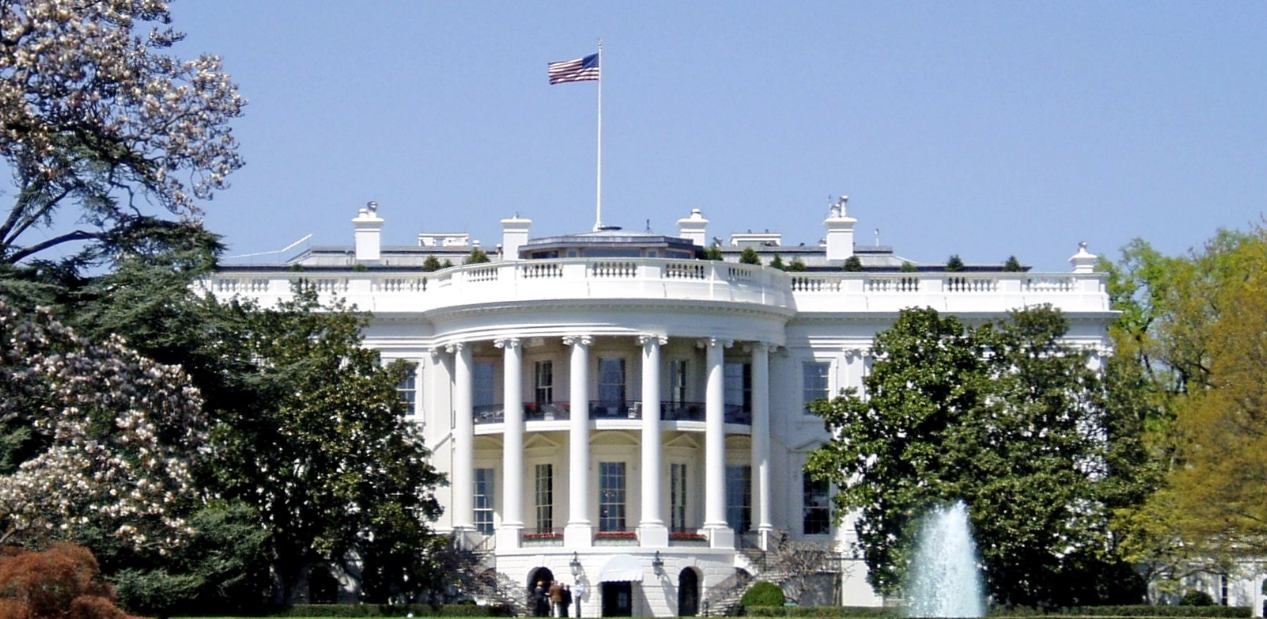
Judge Timothy Kelly extended the temporary restraining order rather than ending it. That order keeps CNN, MS NOW, and Politico journalists eligible for their normal White House access while the lawsuit continues. The extension matters because the court has not yet decided whether the access ban should be blocked for longer. The new order runs through October 13. It gives the judge additional time to rule on the outlets’ motion for a preliminary injunction. The outlets sued after President Trump removed them from White House access over coverage he called “FICTION and LIES.” A TRO was granted shortly afterward. For now, nothing changes in the outlets’ practical access: they maintain normal access pending next week’s ruling. Judge Kelly said he expects to decide the preliminary-injunction request by Tuesday. That decision could preserve the access more permanently during the lawsuit, or alter the current arrangement.
Based on reporting by Jurist Legal News
What did Judge Kelly’s Thursday order change, and how long will the outlets keep their White House access?
Judge Timothy Kelly extended the temporary restraining order rather than ending it. That order keeps CNN, MS NOW, and Politico journalists eligible for their normal White House access while the lawsuit continues. The extension matters because the court has not yet decided whether the access ban should be blocked for longer.
The new order runs through October 13. It gives the judge additional time to rule on the outlets’ motion for a preliminary injunction. The outlets sued after President Trump removed them from White House access over coverage he called “FICTION and LIES.” A TRO was granted shortly afterward.
For now, nothing changes in the outlets’ practical access: they maintain normal access pending next week’s ruling. Judge Kelly said he expects to decide the preliminary-injunction request by Tuesday. That decision could preserve the access more permanently during the lawsuit, or alter the current arrangement.
How many news outlets are covered by the order, and which ones are they?
The order covers three news outlets, not an entire class of media organizations. They are CNN, MS NOW, and Politico. Their inclusion matters because President Trump’s September access ban specifically removed these outlets from White House access after criticizing their coverage.
The court’s TRO applies to journalists from all three organizations. It temporarily permits their White House access while the lawsuit proceeds. The outlets jointly challenged the ban, and the court granted a TRO shortly afterward. Judge Kelly then extended that protection through October 13.
Their access is therefore connected to the case’s current court orders. The journalists maintain normal access pending Judge Kelly’s ruling on the preliminary injunction. The Justice Department has also asked that any injunction restoring access be limited to the outlets’ hard passes and paused during an appeal.
What is a temporary restraining order, and why can a judge use one before deciding the entire lawsuit?
A temporary restraining order, or TRO, is a short-term court order designed to prevent immediate harm while a case moves forward. It does not finally resolve the lawsuit. Instead, it preserves the protected position for a limited period while the judge considers further arguments and evidence.
In this case, the TRO permits journalists from CNN, MS NOW, and Politico to retain White House access. The court granted it shortly after the outlets sued over President Trump’s ban. Judge Kelly later extended it through October 13, giving him more time to decide their request for a preliminary injunction.
A judge can use a TRO before deciding the whole lawsuit because waiting for a final judgment could make the dispute harder to repair. The current order keeps access in place temporarily. The judge still must decide whether longer-lasting relief is justified, and he expects to rule by Tuesday.
What could happen to the outlets’ access if the judge grants a preliminary injunction, and why does the Justice Department want that decision paused during an appeal?
If Judge Kelly grants a preliminary injunction, the outlets could retain protection against the access ban while their lawsuit is pending. Unlike a TRO, a preliminary injunction can be appealed. That makes the next ruling more significant than Thursday’s temporary extension.
The Justice Department has asked that any injunction be limited to restoring CNN, MS NOW, and Politico’s hard passes. It also wants the injunction put on hold while an appeal is heard. The request would restrict the immediate effect of a ruling that favors the outlets.
For now, the journalists keep their normal White House access under the extended TRO. Judge Kelly expects to rule on the preliminary injunction by Tuesday. If he grants it, the appeal question becomes central: the Justice Department’s proposal would delay the injunction’s operation while a higher court considers the challenge.
Why do CNN, MS NOW, and Politico argue that the access ban violates the First Amendment?
CNN, MS NOW, and Politico argue that removing their White House access because of coverage threatens fundamental First Amendment freedoms. Their position makes the dispute about more than building entry. It concerns whether government officials may punish or restrict journalists because they dislike what those journalists publish.
President Trump removed the outlets from access in September after describing their coverage as “FICTION and LIES.” The outlets responded by filing suit. They describe the ban as an “unlawful assault on the most fundamental First Amendment freedoms,” while the administration says the journalists failed to meet expected standards of professionalism and decorum.
The court has not yet issued its final ruling on the outlets’ request for a preliminary injunction. The TRO currently preserves their normal access. Judge Kelly expects to rule by Tuesday, so the next decision will determine whether the access protection continues in a stronger form during the lawsuit.
What does due process require when the government takes away an organization’s access or privileges, and why did the timing of the administration’s letters matter?
Due process generally requires fair notice and a meaningful chance to respond before the government takes away an important benefit or privilege. In this dispute, the timing of that opportunity matters because access was removed over the outlets’ reporting. A later explanation may not provide the same protection as a prior chance to answer the allegations.
MS NOW said the administration claimed it had provided due process by sending letters that justified the ban as a national security measure. But those letters were issued only one day after the news outlets filed their lawsuit. The administration’s court filing also said the outlets had been given an opportunity to respond by September 25 and declined.
The timing remains part of the dispute over whether the ban was lawful. The TRO continues access while Judge Kelly considers a preliminary injunction. The article does not state how the judge will resolve the due-process issue, but he expects to rule by Tuesday.
Why can a president control access to the White House while still being limited in how the government treats journalists because of their reporting?
A president can set rules for access to the White House Complex and decide who receives credentials. But government power over access can still face legal limits when journalists are excluded because officials dislike their coverage. The key issue is whether access decisions enforce neutral standards or punish protected reporting.
President Trump defended the ban by saying the outlets failed to maintain “standards of professionalism and decorum expected” from people with access. The outlets say the ban is an “unlawful assault on the most fundamental First Amendment freedoms.” Their lawsuit asks the court to prevent the restriction while the case proceeds.
The current TRO lets journalists from CNN, MS NOW, and Politico keep normal access. Judge Kelly extended it through October 13 and expects to rule on a preliminary injunction by Tuesday. That ruling will indicate whether the outlets receive stronger protection during the lawsuit, subject to a possible appeal.
Key Facts:
📌 Judge Kelly extended the TRO through October 13.
📌 The outlets maintain normal White House access pending next week’s ruling.
📌 The extension allows more time to decide the preliminary injunction.
📌 Three outlets are covered: CNN, MS NOW, and Politico.
📌 The outlets’ journalists maintain normal White House access.
📌 The TRO was extended through October 13.
📌 A TRO temporarily preserves access while the lawsuit continues.