News · Politics & Governance
News Wrap: Judge extends White House access for news outlets
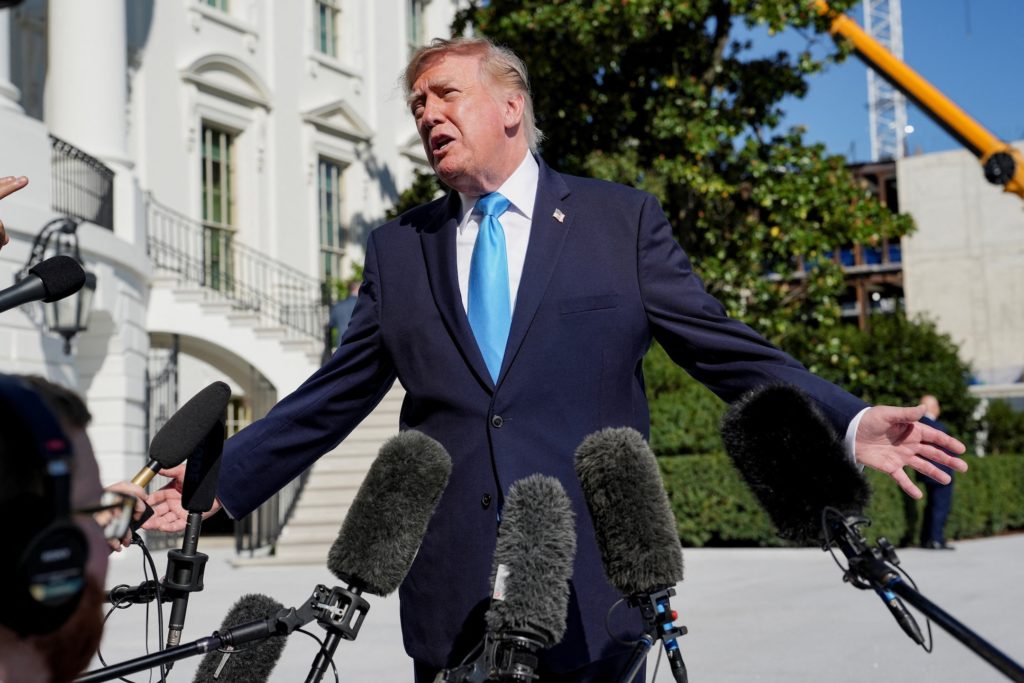
A federal judge temporarily extended White House access for three news organizations while the court considers President Trump's press ban. The extension keeps the outlets from immediately losing access before the legal dispute receives a final ruling. That matters because access affects their ability to report directly on the administration and inform the public. The protected outlets are CNN, MS NOW, and Politico. The president barred them last month after complaining that their coverage was unfavorable to his administration. Their attorneys returned to court because the judge's initial restraining order was about to expire. The new extension is temporary, not a final decision on whether the ban is lawful. A lawyer for the outlets said he expected a ruling by the following week. Until then, the three organizations retain the access covered by the court's order.
Based on reporting by PBS NewsHour
What did the federal judge extend, and which three news outlets does the order protect?
A federal judge temporarily extended White House access for three news organizations while the court considers President Trump's press ban. The extension keeps the outlets from immediately losing access before the legal dispute receives a final ruling. That matters because access affects their ability to report directly on the administration and inform the public.
The protected outlets are CNN, MS NOW, and Politico. The president barred them last month after complaining that their coverage was unfavorable to his administration. Their attorneys returned to court because the judge's initial restraining order was about to expire.
The new extension is temporary, not a final decision on whether the ban is lawful. A lawyer for the outlets said he expected a ruling by the following week. Until then, the three organizations retain the access covered by the court's order.
What is a restraining order, and how does it temporarily affect a government policy while a case is being decided?
A restraining order is a temporary court order that limits or pauses an action while judges consider a legal dispute. It is designed to preserve the situation long enough for the court to examine the claims. It does not decide the entire case or permanently settle whether the challenged policy is lawful.
In this case, the initial restraining order blocked the administration's press ban from immediately taking full effect against CNN, MS NOW, and Politico. The outlets returned to court because that order was scheduled to expire. The judge then briefly extended access while the court works toward a final ruling.
This temporary protection matters because losing access first could affect the outlets before the legal questions are resolved. The extension gives them continued access for now. The court's eventual ruling will determine whether the ban can stand, rather than the temporary order itself.
How many news organizations supported the outlets by signing an amicus brief, and what is an amicus brief?
More than 70 news organizations signed an amicus brief supporting the outlets' preliminary injunction. An amicus brief is a filing from people or organizations that are not direct parties to a lawsuit. It gives the court additional arguments, context, or expertise that may help with the legal issue.
PBS News was one of the organizations that signed the brief. The filing supported the request to keep the preliminary injunction in place while CNN, MS NOW, and Politico challenge the press ban. The supporters therefore joined the legal debate without becoming the organizations directly suing over access.
The number of signatories shows that the dispute reaches beyond the three barred outlets. It involves broader concerns about press access and government information. The brief does not decide the case, but it adds the views of many news organizations before the judge issues a final ruling.
Why did the president bar CNN, MS NOW, and Politico from White House access?
President Trump barred CNN, MS NOW, and Politico from White House access after complaining that their coverage was unfavorable to his administration. The article presents that complaint as the stated reason for the ban. It does not describe a separate allegation of misconduct by the outlets.
The organizations challenged the decision in court. Their attorney, Theodore J. Boutrous Jr., argued that the ban violated the First Amendment and due process. The outlets said the policy could deprive the public of information about its government. A federal judge had already issued an initial restraining order before extending access again.
The dispute now turns on whether the administration may exclude these outlets for the reason given. The judge's temporary extension keeps access in place while the legal challenge continues. A final ruling is expected to determine whether the press ban can take effect or must be blocked.
What access can the outlets retain because of the judge's order, and what would happen if the press ban were allowed to take effect?
The judge's order allows CNN, MS NOW, and Politico to keep White House access temporarily. That access remains available until the court reaches a final ruling on President Trump's press ban. The order therefore prevents the disputed exclusion from immediately changing the outlets' ability to cover the administration.
The practical example is the judge's extension after the initial restraining order was set to expire. The outlets' attorneys returned to court, and the judge briefly continued the protection. Their lawyer said he expected a ruling by the following week. The key mechanism is judicial intervention before the ban can fully operate.
If the press ban were allowed to take effect, the three organizations would be barred from the White House access covered by the policy. That could limit their direct reporting and reduce the information available to the public through those outlets. The final ruling will decide whether that consequence occurs.
What are the First Amendment and due process arguments being made against the press ban?
The First Amendment argument is that the government cannot use press access to suppress or punish protected reporting. The outlets say President Trump's ban conflicts with free-press protections because he objected to coverage that was unfavorable to his administration. Their due process argument concerns fair government procedures and the claimed effort to exclude them without proper legal protection.
Attorney Theodore J. Boutrous Jr. said the ban violated the First Amendment and the due process clause. He also said it was an effort to deprive the American public of information about its government. The outlets asked the court for a preliminary injunction, and more than 70 news organizations supported that request in an amicus brief.
The judge has not issued the final ruling described in the report. For now, the temporary extension preserves access while the legal arguments are considered. The eventual decision will clarify whether the administration's stated reason and process can justify barring these outlets.
Why does an independent press matter in a democracy, especially when journalists are reporting on the government that controls their access?
An independent press helps people learn what their government is doing and evaluate officials' decisions. Its value is especially clear when the government controls access needed for reporting. If officials can remove outlets because coverage is unfavorable, journalists may face pressure to soften criticism, and the public may receive less information.
That concern appears in this dispute. President Trump barred CNN, MS NOW, and Politico after complaining about their coverage. Their attorney said the ban was an effort to deprive the public of information about its government. More than 70 news organizations, including PBS News, supported their preliminary injunction through an amicus brief.
The judge temporarily extended the outlets' access while considering the case. That does not resolve the constitutional dispute, but it keeps reporting access in place for now. The final ruling will show whether the ban can stand and how the court weighs press freedom, fair process, and government control of access.
Key Facts:
📌 A federal judge extended White House access for three news outlets.
📌 The order protects CNN, MS NOW, and Politico.
📌 The extension lasts until a final ruling on the press ban.
📌 A restraining order temporarily limits disputed government action.
📌 The judge's initial order was set to expire.
📌 The extension preserves access while the case continues.
📌 Over 70 news organizations signed an amicus brief.