News · Social Issues
JNU sacks Congress MP as professor after 11 students allege sexual harassment
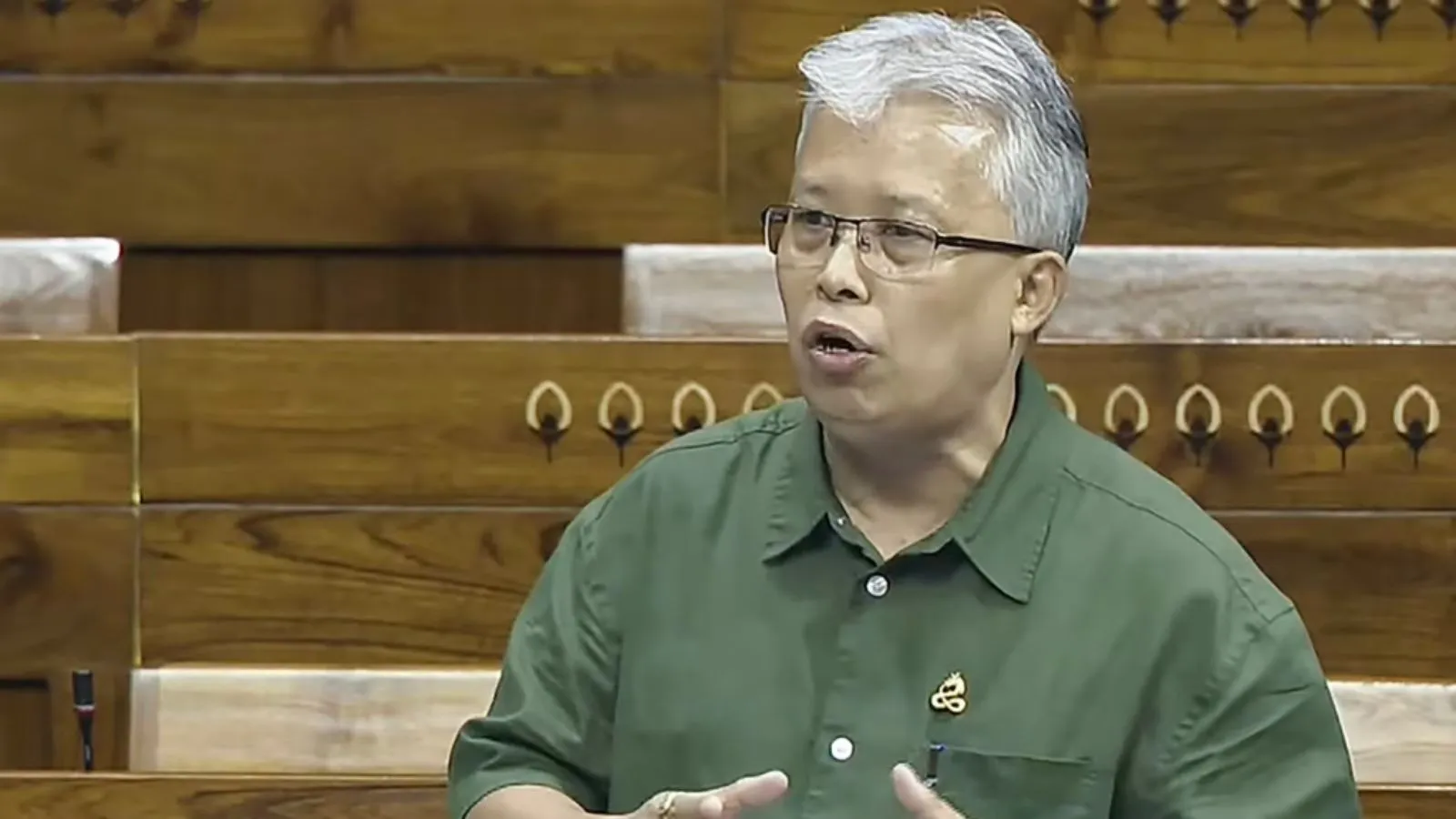
Jawaharlal Nehru University dismissed Professor Angomcha Bimol Akoijam from university service. The action followed an Internal Committee inquiry into allegations of sexual harassment. It matters because the university treated the committee’s findings as grounds for its strongest employment punishment under the cited service rules. Officials said around 10-12 students from the Centre for Study of Social Systems filed the complaint. The committee recommended major punishment. Vice Chancellor Santishree D Pandit then issued an order imposing dismissal under Rule 11(ix) of the Central Civil Services rules, after considering the available facts and following due process. The committee’s report was placed before JNU’s Executive Council on September 30. The council decided to dismiss Akoijam with immediate effect. The ABVP had protested earlier and sought suspension and dismissal. Akoijam’s office did not respond to requests for comment, and the article does not report his response to the allegations.
Based on reporting by Indian Express
What action did JNU take against Professor Angomcha Bimol Akoijam, and what allegations led to it?
Jawaharlal Nehru University dismissed Professor Angomcha Bimol Akoijam from university service. The action followed an Internal Committee inquiry into allegations of sexual harassment. It matters because the university treated the committee’s findings as grounds for its strongest employment punishment under the cited service rules.
Officials said around 10-12 students from the Centre for Study of Social Systems filed the complaint. The committee recommended major punishment. Vice Chancellor Santishree D Pandit then issued an order imposing dismissal under Rule 11(ix) of the Central Civil Services rules, after considering the available facts and following due process.
The committee’s report was placed before JNU’s Executive Council on September 30. The council decided to dismiss Akoijam with immediate effect. The ABVP had protested earlier and sought suspension and dismissal. Akoijam’s office did not respond to requests for comment, and the article does not report his response to the allegations.
What is an Internal Committee, and what role does it play in investigating sexual-harassment complaints at a university?
An Internal Committee is a formal workplace body that handles sexual-harassment complaints within an institution. In a university, it provides a structured route for students or employees to report allegations. Its purpose is to replace informal judgment with a documented, impartial inquiry that protects both complainants and the accused.
The committee typically receives a complaint, informs the respondent, examines statements and other available material, and gives both sides an opportunity to participate. It then records findings and recommends an appropriate response under applicable service rules. In the reported case, JNU’s committee investigated allegations against Akoijam and recommended major punishment.
The committee usually recommends rather than independently imposes dismissal. JNU’s Executive Council considered the report, while Vice Chancellor Santishree D Pandit issued the dismissal order. The article confirms that due process was followed, but it does not describe the committee’s detailed procedures, evidence, or findings.
How many students reportedly filed complaints against Akoijam, and where did they study?
The reported complaint involved around 10-12 students. They were from the Centre for Study of Social Systems, which is part of JNU’s School of Social Sciences. This gives the complaint a clear institutional setting and identifies the academic unit connected to the students.
Officials cited in the report said the students filed a sexual-harassment complaint against Professor Angomcha Bimol Akoijam. The Internal Committee then conducted an inquiry. The article does not identify the individual students or describe whether every student gave the same allegation or evidence.
The number is described as “around 10-12,” so it is an approximate figure rather than an exact confirmed count. The university later acted on the committee’s recommendation. Its report was placed before the Executive Council, which decided to dismiss Akoijam, and the Vice Chancellor imposed that punishment immediately.
What happens when an Internal Committee recommends major punishment and a university imposes dismissal?
When an Internal Committee recommends major punishment, the university must consider the findings through its authorised institutional process. If the competent authority accepts the recommendation and follows applicable service rules, the accused employee can face a severe employment penalty, including dismissal. The punishment ends the person’s university service.
In this case, JNU’s committee recommended major punishment against Professor Angomcha Bimol Akoijam. The report went before the university’s Executive Council at its September 30 meeting. Vice Chancellor Santishree D Pandit’s order then imposed dismissal under Rule 11(ix) of the Central Civil Services rules, with immediate effect.
Dismissal is different from a warning or suspension because it removes the person from the university’s employment. The article does not describe any appeal, review, or later court challenge. It reports only that the university said it followed due process and imposed the punishment after considering the available facts.
Which JNU authorities reviewed the committee’s findings and had the power to approve the dismissal?
Several JNU authorities were involved, but they had different roles. The Internal Committee investigated the sexual-harassment allegations and recommended major punishment. The Executive Council then considered the committee’s report. The Vice Chancellor formally imposed the dismissal through an official order.
The article says the committee’s report was placed before the Executive Council at its meeting on September 30. JNU sources said the council decided to dismiss Professor Angomcha Bimol Akoijam with immediate effect. This indicates that the council was the institutional body that reviewed the report and approved the action.
Vice Chancellor Santishree D Pandit’s order recorded the committee’s recommendation and stated that due process had been followed. It imposed dismissal under Rule 11(ix) of the Central Civil Services rules. The article does not explain the council’s voting process or identify any additional reviewing authority.
What due-process protections generally apply when an employee in India is accused of sexual harassment?
When an employee in India faces a sexual-harassment allegation, formal due process generally protects the fairness of the inquiry. The accused should receive notice of the complaint, understand the allegations, and have a reasonable opportunity to respond. The complainant should also be heard respectfully and without retaliation.
A properly constituted committee should examine relevant statements and material, avoid conflicts of interest, protect confidentiality, and record its reasons. The process should not presume guilt or dismiss a complaint without inquiry. After findings, the authorised employer decides the penalty under applicable rules, with any available review or appeal route.
The source does not detail these safeguards in Akoijam’s case. It says JNU followed due process, considered available facts, and acted on the Internal Committee’s report. It also identifies the committee, Executive Council, Vice Chancellor, and service rule used. Any further claim about notice, evidence, confidentiality, or appeal would go beyond the article.
Why do universities use formal sexual-harassment complaint systems instead of leaving such allegations to protests, public pressure, or informal investigation?
Universities use formal complaint systems because sexual-harassment allegations require careful fact-finding, not simply public judgment. A formal process creates a record, identifies who is responsible for investigating, and gives the parties a defined opportunity to be heard. It can also reduce arbitrary or politically driven decisions.
Protests and public pressure can draw attention to an allegation, as the ABVP’s JNU unit did. But a protest cannot itself test evidence or determine an appropriate penalty. In this case, the Internal Committee conducted the inquiry, recommended major punishment, and sent its report through JNU’s Executive Council before the Vice Chancellor imposed dismissal under service rules.
Formal systems do not guarantee that every party will agree with the outcome. They do provide an institutional route for accountability and review. The article presents JNU’s process as following due process, while also reporting the ABVP’s pressure. It does not describe any appeal or challenge after dismissal.
Key Facts:
📌 JNU dismissed Professor Angomcha Bimol Akoijam with immediate effect.
📌 The action followed an Internal Committee inquiry into sexual-harassment allegations.
📌 Around 10-12 students reportedly filed the complaint.
📌 JNU’s Internal Committee investigated the allegations against Akoijam.
📌 The committee recommended major punishment under applicable service rules.
📌 An Internal Committee generally provides a formal complaint and inquiry process.
📌 Around 10-12 students reportedly filed the complaint.