News · Economy & Business
IRDAI Mulls Introducing Insurance Commission Caps From January 2027
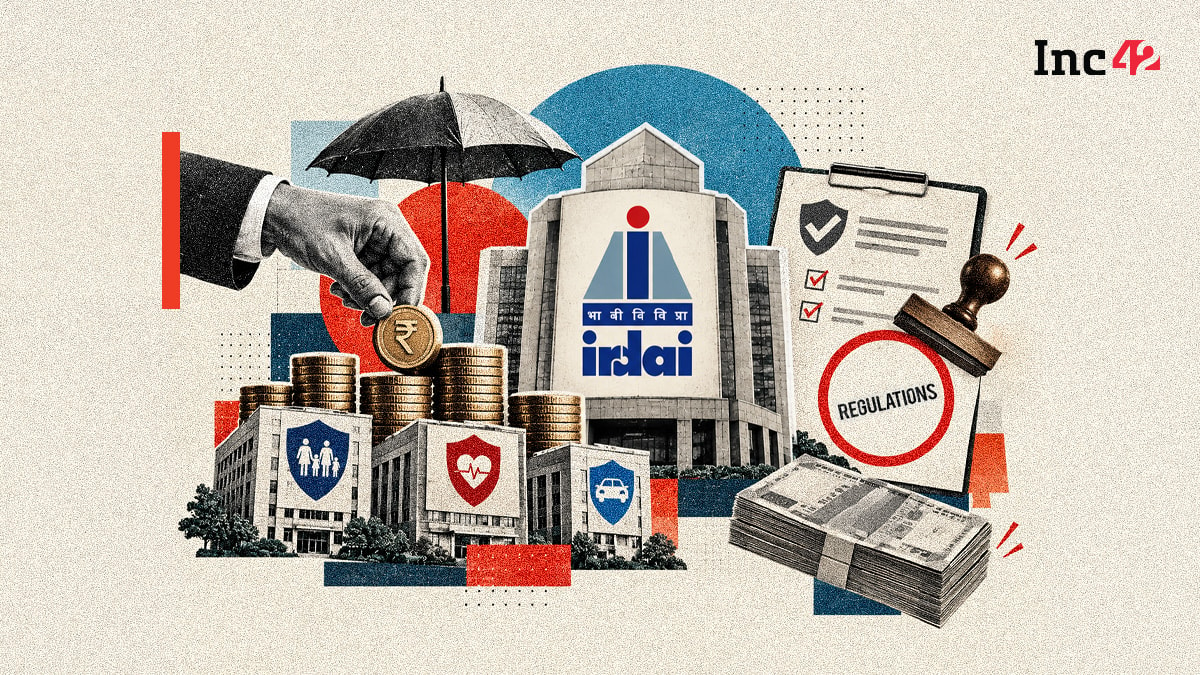
IRDAI is considering limits on how much distributors can earn from different insurance products. The reforms also include tighter limits on insurers’ overall expenses. They matter because distribution costs affect insurance prices, affordability, and how widely policies reach customers. The regulator is weighing January 1 and April 1, 2027, as implementation dates. IRDAI’s distribution member, Girija Subramanian, said caps should begin sooner because gradual reductions might encourage distributors to rush sales and increase mis-selling risks. A separate proposal would lower insurers’ expense limits over five years. The framework remains under consultation. Stakeholders have until October 25 to comment, after which IRDAI will review feedback, publish draft regulations, and hold another consultation before finalising the rules. Therefore, the dates are possibilities, not confirmed deadlines.
Based on reporting by Inc42 India
What insurance commission caps is IRDAI considering, and when could they take effect?
IRDAI is considering limits on how much distributors can earn from different insurance products. The reforms also include tighter limits on insurers’ overall expenses. They matter because distribution costs affect insurance prices, affordability, and how widely policies reach customers.
The regulator is weighing January 1 and April 1, 2027, as implementation dates. IRDAI’s distribution member, Girija Subramanian, said caps should begin sooner because gradual reductions might encourage distributors to rush sales and increase mis-selling risks. A separate proposal would lower insurers’ expense limits over five years.
The framework remains under consultation. Stakeholders have until October 25 to comment, after which IRDAI will review feedback, publish draft regulations, and hold another consultation before finalising the rules. Therefore, the dates are possibilities, not confirmed deadlines.
How much could the proposed rules reduce broking-sector revenue, and how many jobs might brokers say are at risk?
The Insurance Brokers Association of India says the proposed commission rules could sharply reduce broking-sector income. It estimates a revenue decline of 60–70% and warns that up to 10 Lakh jobs across insurance distribution could disappear. These figures explain why brokers are pushing for a longer consultation period and changes to the proposal.
The association says the distribution sector employs more than 83 Lakh people. It argues that lower earnings could threaten small businesses and MSMEs, which often depend on commissions from insurance sales. IBAI has asked IRDAI to extend the feedback deadline from October 25 to the end of December.
These are industry estimates, not confirmed outcomes. IRDAI rejects concerns about large-scale job losses and says lower costs could widen distribution and create employment. The final effect will depend on the regulations ultimately approved and how insurers and distributors adapt.
Why does IRDAI believe insurance commissions and insurers’ expenses need to be limited?
IRDAI wants to limit commissions and insurer expenses because it believes distribution costs have risen too quickly. Since rules were relaxed in 2023, commissions reportedly grew faster than premiums, without a matching increase in insurance coverage. The regulator says lower costs could make insurance more affordable and accessible.
The regulator points to private-sector cost increases. Expenses at private life insurers rose to about 22% of premiums from 16% in FY21. Private general insurers’ expenses reached roughly 32%, up from 25% in FY19. Additional rewards have also pushed distributor remuneration 30–60% above base commissions in some cases.
IRDAI’s concern is not limited to headline commissions. Its proposals would combine product-wise commission caps with tighter overall expense limits for insurers. A five-year transition is proposed, with the first interim milestone in FY29. Brokers dispute IRDAI’s interpretation of the data and say some increases reflect reclassified marketing expenses.
What could happen to insurance brokers, distributors, policyholders, and insurance coverage if commissions are reduced?
Reduced commissions would immediately pressure brokers and other distributors whose income comes from selling insurance. IBAI warns that smaller businesses and MSMEs could struggle, with revenue falling 60–70% and up to 10 Lakh jobs at risk. It says the damage could extend beyond companies’ finances.
According to the association, job losses could reduce insurance awareness, policy renewals, and assistance for policyholders. Underserved communities could receive less help buying or maintaining cover, potentially weakening insurance penetration. IBAI also says lower distribution capacity could affect customers who rely on intermediaries for service.
IRDAI disputes the forecast of large-scale job losses. It says lower entry barriers and a wider distribution network could create employment and extend coverage. The final impact is unresolved because the framework remains under consultation. IRDAI will review stakeholder comments, issue draft regulations, and consult again before deciding the final rules.
How would the proposed incentives for smaller towns change where insurance distributors operate and whom they serve?
IRDAI’s proposed incentives would make smaller towns more attractive to insurance distributors. The aim is to expand access beyond major cities, where distribution networks are already stronger. This could bring more agents and brokers to communities that currently receive less attention from insurers.
The mechanism is an additional payment linked to the existing commission limit. Distributors could earn 10% above the applicable limit for business generated in towns with populations below 10 Lakh. The extra amount would rise to 20% for areas with fewer than 50,000 residents.
These incentives could change both where distributors operate and whom they serve. More activity may reach residents in smaller communities and underserved markets. However, the proposal is not final. It is part of the consultation framework, and its eventual effect will depend on the final rules and whether distributors consider the additional earnings sufficient to expand.
Who pays insurance commissions, who receives them, and why are companies such as PB Fintech affected by the proposed caps?
An insurance commission is payment connected with distributing an insurance policy. In this dispute, insurers are the companies whose expenses include commissions, while brokers and other distributors receive the remuneration. Distributors help bring insurance business to insurers, so commission income is central to their commercial model.
IRDAI’s proposals would cap commissions by product and tighten insurers’ total expense limits. That could reduce the amount available to distributors for selling policies and supporting customers. The regulator also says additional rewards sometimes lift remuneration 30–60% above base commissions, making the proposed limits especially significant.
Companies such as Policybazaar parent PB Fintech and Turtlemint are affected because their businesses depend on commissions from insurance sales. Their shares have fallen more than 47% each since the proposal was made on September 23. The framework remains under consultation, so the eventual financial impact is not yet settled.
What is an insurance commission, and how does the insurance distribution system connect customers, insurers, brokers, and agents?
An insurance commission is payment made for distributing an insurance policy. The customer seeks coverage, an insurer provides the policy, and a broker, agent, or other distributor connects the two. The distributor may also help with renewals and policyholder assistance. Commissions fund this sales and service role.
The system works through a chain: customers buy insurance, insurers collect premiums and pay distributors, and intermediaries support the policy relationship. IRDAI’s proposal would set commission limits by product and restrict insurers’ overall expenses. It also addresses extra rewards that can place remuneration 30–60% above base commissions.
The debate concerns both cost and access. IRDAI says commissions have risen faster than premiums since 2023 without increasing coverage. Brokers argue that sharp cuts could harm jobs, customer assistance, and insurance awareness. IRDAI says lower entry barriers and incentives for smaller towns could instead widen distribution and create employment.
Key Facts:
📌 IRDAI is considering product-wise insurance commission caps.
📌 January 1 and April 1, 2027, are possible implementation dates.
📌 Final rules will follow another consultation round.
📌 IBAI estimates broking-sector revenue could fall 60–70%.
📌 Up to 10 Lakh distribution jobs could be at risk.
📌 The distribution sector employs more than 83 Lakh people.
📌 IRDAI says commissions rose faster than premiums after 2023.