News · Defence & Security
Polish police detain more teens following school knife attacks amid fears of further incidents
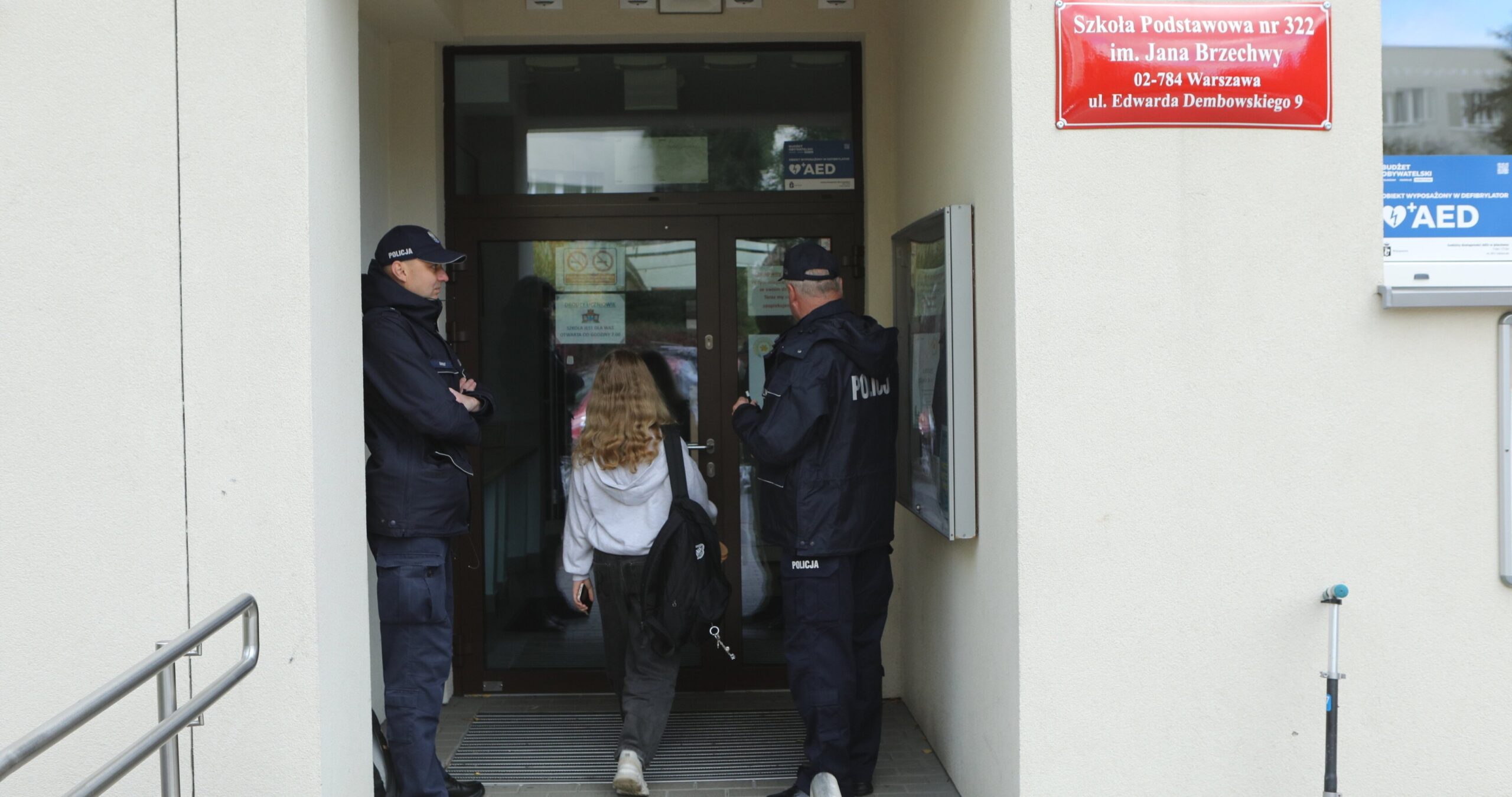
Poland experienced two serious school knife attacks within two days. The incidents raised immediate concerns about student safety and whether further violence might follow. They also triggered nationwide police checks and a political dispute over the government’s safety policies. On Thursday, a 15-year-old former pupil attacked a primary school and killed a 39-year-old caretaker. Prime Minister Donald Tusk said the teenager wore a head-mounted camera intended to broadcast the attack. The day before, a 19-year-old student injured eight people at another school and had a homemade explosive that failed to detonate. Two other teenagers were detained on suspicion of planning attacks elsewhere. Rumours then spread online that the attacks were coordinated and that more incidents were planned for “Bloody Friday.” Police urged calm, while many parents kept children home and some schools closed, especially in Masovia.
Based on reporting by Notes from Poland
What happened in the two school knife attacks in Poland this week?
Poland experienced two serious school knife attacks within two days. The incidents raised immediate concerns about student safety and whether further violence might follow. They also triggered nationwide police checks and a political dispute over the government’s safety policies.
On Thursday, a 15-year-old former pupil attacked a primary school and killed a 39-year-old caretaker. Prime Minister Donald Tusk said the teenager wore a head-mounted camera intended to broadcast the attack. The day before, a 19-year-old student injured eight people at another school and had a homemade explosive that failed to detonate.
Two other teenagers were detained on suspicion of planning attacks elsewhere. Rumours then spread online that the attacks were coordinated and that more incidents were planned for “Bloody Friday.” Police urged calm, while many parents kept children home and some schools closed, especially in Masovia.
How many schools did police check, and how many people were detained after the attacks?
The scale of the response was national. By 9 a.m. on Friday, Poland’s national police headquarters said officers had checked more than 10,000 schools. The operation followed two attacks in the Masovia region and growing online rumours about planned violence.
Police also detained at least ten people. Reported cases included a 17-year-old accused of making online threats, a 13-year-old who wrote that he would bring a machete, and an 11-year-old found with an imitation knife. In Warsaw, a 14-year-old had a concealed blade and 11 firecrackers.
The checks were intended to identify immediate risks and reassure schools and families. They also showed how online posts, weapons, or threatening images can quickly bring police involvement, even when no physical attack has occurred. Police said checks would be carried out regularly after Prime Minister Donald Tusk’s announcement.
What is an online threat, and why can posting one lead to police detention even if no attack occurs?
An online threat is a post, message, image, or statement that indicates a possible plan to harm people or damage a place. It matters because authorities cannot safely assume that a threatening post is harmless. Investigating it can help identify weapons, targets, accomplices, or other warning signs before anyone is injured.
The article gives several examples. A 17-year-old reportedly threatened other students online. A 13-year-old wrote in a chat that he would bring a machete, then called it a “silly joke.” A 15-year-old sent images of himself wearing a Guy Fawkes-style mask and said he planned to take people’s lives.
These cases explain why detention can occur without a completed attack. Police need to establish what the person meant, whether the threat is credible, and whether weapons are present. The article does not state the legal outcomes in these cases.
How did rumors about a coordinated “Bloody Friday” affect parents, students, and schools in the Masovia region?
Online rumours changed daily life across Masovia, the province around Warsaw where both attacks occurred. Posts claimed the attacks were coordinated by teenagers who planned more incidents on Friday, calling the day “Bloody Friday.” The claims increased fear even though police said there was no evidence that such an event was happening.
Many parents decided not to send their children to school. Some districts closed schools completely. In Legionowo, north of Warsaw, two schools closed after local authorities received unconfirmed information that they were on a list connected to the alleged group.
The rumours therefore affected families, pupils, school attendance, and local decisions. Police acknowledged the concern but urged people to stay calm and avoid spreading unverified claims. The episode also prompted wider security checks, with more than 10,000 schools inspected nationwide and at least ten people detained.
Why did police urge people not to share unverified information and to rely on credible sources?
Police urged people not to share unverified information because rumours can spread faster than confirmed facts during a crisis. They can frighten families, disrupt schools, and make it harder to distinguish a real danger from a false claim. That was especially important after two genuine attacks had already occurred.
The warning followed online claims that the attacks were coordinated and that teenagers planned more violence on “Bloody Friday.” Two Legionowo schools closed after receiving unconfirmed information about an alleged list. Many parents also kept children home, showing how quickly uncertain claims affected behaviour.
The national police headquarters said that, so far, nothing indicated such an event was actually happening. Its advice was to remain calm, avoid reposting rumours, and use credible sources. Reliable information helps authorities focus resources on genuine threats while limiting unnecessary panic and disruption.
What powers would the proposed Polish laws give schools and authorities to improve children’s online and physical safety?
The article identifies one clear power in the proposed legislation: blocking harmful online content. The government presented the measure as a way to improve children’s online safety. This matters because the political dispute followed school attacks, online threats, and concerns about how children encounter dangerous material.
President Karol Nawrocki had vetoed an earlier version, arguing that it posed an “Orwellian” threat to free speech. On Thursday, Prime Minister Donald Tusk criticised that decision. Later that evening, Tusk’s ruling coalition passed a new version of the bill in the lower-house Sejm.
The source does not explain the new bill’s exact enforcement powers, procedures, or penalties. It also does not specify any new physical-safety powers for schools or authorities. The article separately reports that police would conduct regular school checks, but it does not say that this authority came from the proposed online-safety law.
How do a government, parliament, president, and courts divide responsibility for making and enforcing safety laws in Poland?
Poland’s institutions divide safety-law responsibilities. The government develops and promotes legislation, while parliament debates and votes on it. The president then has a role in approving or vetoing legislation. Courts are responsible for applying and interpreting laws in cases brought before them, although this article does not describe any court action.
The dispute illustrates those separate roles. Prime Minister Donald Tusk’s government backed a bill intended to improve children’s online safety by blocking harmful content. President Karol Nawrocki vetoed an earlier version, saying it threatened free speech. Tusk’s ruling coalition later passed a new version in the lower-house Sejm.
Enforcement is separate from lawmaking. Here, police carried out school checks, detained people linked to threats or weapons, and were due to conduct regular checks. The article does not say whether courts reviewed the bill or the individual detentions, so no court outcome can be added.
Key Facts:
📌 A 15-year-old former pupil killed a school caretaker.
📌 A 19-year-old injured eight people at another school.
📌 The second attacker carried a homemade explosive that failed to detonate.
📌 Police checked more than 10,000 schools by Friday morning.
📌 At least 10 people were detained nationwide.
📌 Many detainees were teenagers linked to threats or weapons.
📌 A 13-year-old wrote that he would bring a machete to school.