News · Health & Medicine
Yellow fever outbreak is under control – Health Minister
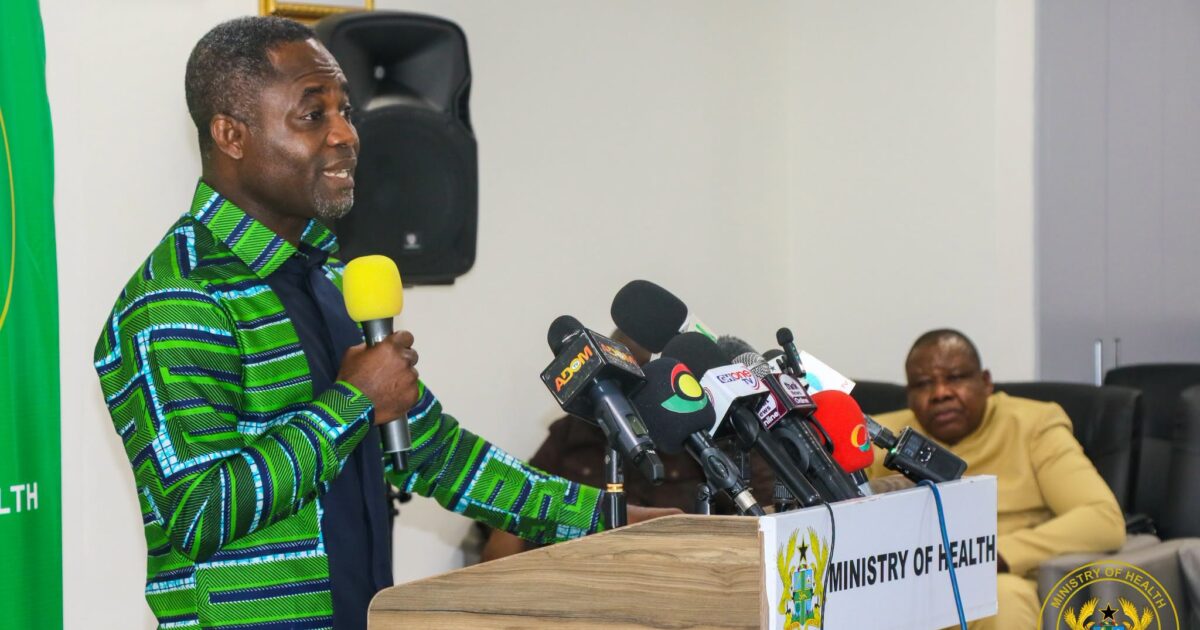
Ghanaian health authorities are using several measures at once because yellow fever spreads through infected mosquitoes. The government says the outbreak is under control, but surveillance and vaccination are being intensified. Officials are also monitoring suspected cases and investigating reported deaths without assigning causes prematurely. Vaccination is expanding beyond routine childhood immunisation. Authorities requested 187,000 additional doses and are preparing teams to start a campaign in the Upper West Region. The campaign will cover people aged nine months to 60 years in affected areas. Health officials are also advising residents to use repellents, wear long sleeves and trousers, and sleep under mosquito nets. Public communication is another part of the response. The Health Minister urged people to reject vaccine misinformation and cooperate with officials. The Director of Public Health also stressed daytime protection, because mosquitoes that transmit yellow fever are active during the day. Together, these steps aim to reduce infections and improve early detection.
Based on reporting by Ghana MyJoyOnline
What steps are Ghanaian health authorities taking to bring the yellow fever outbreak under control?
Ghanaian health authorities are using several measures at once because yellow fever spreads through infected mosquitoes. The government says the outbreak is under control, but surveillance and vaccination are being intensified. Officials are also monitoring suspected cases and investigating reported deaths without assigning causes prematurely.
Vaccination is expanding beyond routine childhood immunisation. Authorities requested 187,000 additional doses and are preparing teams to start a campaign in the Upper West Region. The campaign will cover people aged nine months to 60 years in affected areas. Health officials are also advising residents to use repellents, wear long sleeves and trousers, and sleep under mosquito nets.
Public communication is another part of the response. The Health Minister urged people to reject vaccine misinformation and cooperate with officials. The Director of Public Health also stressed daytime protection, because mosquitoes that transmit yellow fever are active during the day. Together, these steps aim to reduce infections and improve early detection.
How large is the outbreak so far, and how do the 450 suspected cases compare with the three laboratory-confirmed cases in the Upper West Region?
Ghana has recorded 450 suspected yellow fever cases across all 16 regions. This is the broadest measure of the outbreak’s reported scale, but it does not mean every suspected case has been confirmed. Suspected cases are people whose symptoms or circumstances prompted investigation, while laboratory confirmation provides stronger evidence.
The Upper West Region accounts for 88 of the 450 suspected cases. Of those 88, three were confirmed by the reference laboratory at the Noguchi Memorial Institute for Medical Research. In other words, the confirmed figure is much smaller than the suspected figure, with 85 Upper West reports still not confirmed in the information provided.
The difference matters for interpreting the outbreak accurately. Health authorities must investigate and test suspected cases before declaring them confirmed yellow fever infections. Meanwhile, the large number of reports has prompted stronger surveillance and a wider vaccination campaign in affected communities.
What is yellow fever, and how is it transmitted?
Yellow fever is a mosquito-borne illness. The article explains that infected mosquitoes transmit it when they bite people. This makes mosquito exposure central to the public-health response. It also means yellow fever does not spread directly from person to person, according to Ghana’s Director of Public Health.
The illness can begin with fever, headache, body pains, and abdominal discomfort. These symptoms are important warning signs, but they do not by themselves establish laboratory confirmation. Health workers therefore investigate suspected cases and use the reference laboratory when confirmation is needed.
The transmission route shapes prevention advice. Residents are urged to use mosquito repellents, wear long-sleeved clothing and trousers, and sleep under mosquito nets. Officials particularly stress daytime protection because the mosquitoes that transmit yellow fever are active during the day. Vaccination is also being expanded in affected areas.
Why can health authorities not officially link reported deaths to yellow fever without laboratory confirmation?
Health authorities cannot officially connect reported deaths to yellow fever without laboratory confirmation because a suspected illness is not the same as a verified diagnosis. The outbreak briefing recorded suspected cases, but officials also distinguished them from cases confirmed by the reference laboratory. The same standard applies when investigating deaths.
Yellow fever can cause symptoms such as fever, headache, body pains, and abdominal discomfort. Those signs may prompt an investigation, but they can occur in other illnesses too. Laboratory testing helps determine whether yellow fever was present and whether it can reasonably explain a death.
This caution protects the accuracy of official figures. It prevents unconfirmed deaths from being counted as yellow fever fatalities and helps authorities communicate reliable information. Investigations can continue while vaccination, surveillance, and mosquito-bite prevention proceed in affected areas.
What can happen when yellow fever becomes severe, and why are health officials concerned about bleeding and deaths?
The article warns that yellow fever can become severe and result in bleeding. That possibility makes the outbreak a serious public-health concern, even while many reported cases remain only suspected. Health authorities are therefore combining prevention, surveillance, vaccination, and public guidance rather than waiting for every investigation to end.
For example, the Upper West Region recorded 88 suspected cases, and three were confirmed by the reference laboratory. Authorities are also investigating reported deaths connected with the outbreak. However, the Health Minister said those deaths cannot be attributed to yellow fever without laboratory confirmation. This separates a worrying report from a confirmed cause.
Bleeding and deaths matter because they signal the potentially dangerous consequences of severe illness. Accurate testing is still essential, since the article does not confirm that the reported deaths were caused by yellow fever. Meanwhile, expanded vaccination and protection from mosquito bites are intended to reduce further severe cases in affected areas.
Why is Ghana expanding vaccination beyond routine childhood immunisation to people aged nine months to 60 years in affected areas?
Routine childhood immunisation does not cover every age group included in Ghana’s expanded response. Because suspected cases have been reported across the country, including 88 in Upper West, authorities are extending vaccination to people aged nine months to 60 years in affected areas. The goal is to protect more residents during the outbreak.
The government has requested 187,000 additional vaccine doses. Vaccination teams are preparing to begin the campaign in the Upper West Region, where suspected cases were reported in several districts and areas. This wider age range allows the response to reach people who may not be protected through routine childhood services.
The expansion is part of a broader strategy, not a replacement for surveillance or bite prevention. Officials are also monitoring cases and urging residents to use repellents, wear protective clothing, and sleep under nets. Together, these measures are intended to limit illness while authorities continue investigating suspected cases and deaths.
How do vaccination, mosquito nets, repellents, and protective clothing interrupt the spread of a mosquito-borne disease like yellow fever?
Vaccination and mosquito-bite prevention work in complementary ways. Vaccination is being used to protect people in affected areas, including those aged nine months to 60 years. Nets, repellents, long sleeves, and trousers reduce opportunities for mosquitoes to bite. Fewer bites mean fewer chances for yellow fever transmission.
The article identifies infected mosquito bites as the route of transmission and says yellow fever does not spread directly between people. It also warns that transmitting mosquitoes are active during the day. Therefore, repellents and covering clothing matter during daytime activities, while mosquito nets provide protection during sleep.
Using all these measures creates a layered response. Vaccination supports population protection, while personal barriers reduce contact with mosquitoes. Ghana is combining them with intensified surveillance and public education. This approach can help limit new infections while health teams investigate suspected cases and prepare vaccination in the Upper West Region.
Key Facts:
📌 Authorities requested 187,000 additional yellow fever vaccine doses.
📌 Vaccination teams are preparing to begin in the Upper West Region.
📌 Officials advise repellents, protective clothing, and mosquito nets.
📌 450 suspected cases were recorded across Ghana’s 16 regions.
📌 Upper West reported 88 suspected cases.
📌 Three Upper West cases were laboratory-confirmed.
📌 Yellow fever is transmitted through infected mosquito bites.