News · Social Issues
Poland: Lifeline for Ukrainian refugees confronts donor fatigue and online abuse as anti-Ukrainian sentiment grows
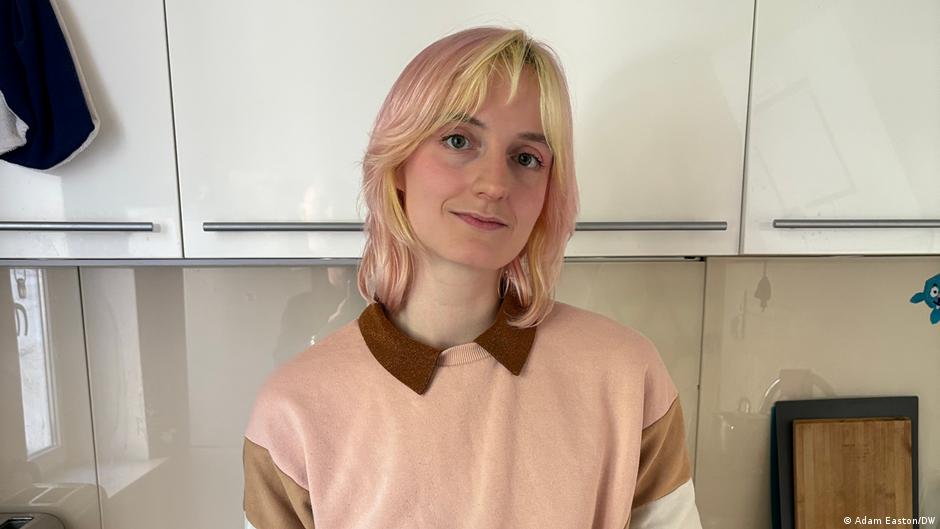
Martynka is a Krakow-based organization helping Ukrainian refugees who face danger after reaching Poland. Its work matters because refugees may need more than food and housing. They may also need safety, legal guidance, emotional support, and help navigating everyday systems. The organization runs a hotline and provides psychological and moral support in four languages. It also offers legal assistance and counselling. Its two-bedroom Krakow apartment shelters vulnerable women escaping domestic abuse or trafficking. Martynka has supported people including a young woman whose boyfriend drugged her and sold sex with her. The team has received more than 5,000 requests since March 2022 and still receives about 100 calls each month. It has sheltered around 100 women and children since the invasion. Funding shortages have forced Martynka to stop one-to-one therapy sessions, making continued donations important.
Based on reporting by DW News
What services does the Martynka organization provide to Ukrainian refugees in Poland?
Martynka is a Krakow-based organization helping Ukrainian refugees who face danger after reaching Poland. Its work matters because refugees may need more than food and housing. They may also need safety, legal guidance, emotional support, and help navigating everyday systems.
The organization runs a hotline and provides psychological and moral support in four languages. It also offers legal assistance and counselling. Its two-bedroom Krakow apartment shelters vulnerable women escaping domestic abuse or trafficking. Martynka has supported people including a young woman whose boyfriend drugged her and sold sex with her.
The team has received more than 5,000 requests since March 2022 and still receives about 100 calls each month. It has sheltered around 100 women and children since the invasion. Funding shortages have forced Martynka to stop one-to-one therapy sessions, making continued donations important.
How much has demand for Martynka's help grown, and how many women and children has it sheltered since 2022?
Martynka’s demand has remained substantial even as international attention shifts away from Ukraine. The organization received more than 5,000 requests for help since March 2022. Its hotline still gets about 100 calls every month. These figures show that refugees continue to face serious needs long after the first wave of arrivals.
The organization has also provided direct shelter. Since 2022, around 100 women and children have stayed in its Krakow apartment. The residents include vulnerable women escaping domestic abuse or trafficking. Martynka’s small team offers emotional support, legal assistance, counselling, and help in four languages.
Demand has not disappeared, but resources have tightened. Cuts to USAID increased competition for grants, while donor fatigue led Martynka to end one-to-one therapy sessions. The continuing calls and shelter needs suggest local groups remain essential as the war continues.
Why are Ukrainian women and children arriving in Poland especially vulnerable to trafficking, domestic abuse, and exploitation?
Ukrainian women and children arriving in Poland were often frightened, displaced, and unfamiliar with local systems. Nastya said she helped people learn practical tasks such as booking a doctor’s appointment or buying a tram ticket. That dependence created opportunities for people who presented themselves as helpful volunteers but intended to exploit newcomers.
Anti-human-trafficking activists told Nastya that the first weeks resembled a major opportunity for traffickers because arrivals trusted volunteers so easily. The article also describes women who later faced abusive relationships. One young woman sheltered by Martynka was drugged by her boyfriend and sold for sex after escaping the invasion.
These risks make trusted information, safe accommodation, legal help, and counselling important. Martynka’s services address those needs. The article shows that vulnerability did not end at the border. It could continue through unsafe housing, relationships, and unfamiliarity with Poland’s justice and support systems.
What happens to refugees when international donations decline and organizations such as Martynka and UNHCR have to reduce services and staff?
When donations decline, refugee organizations must serve continuing needs with fewer people and less specialist support. That can mean reduced counselling, fewer staff members, closed offices, and longer waits for assistance. For refugees facing abuse or trafficking, losing a trusted service can make it harder to reach safety.
Martynka has already cut one-to-one therapy because donor fatigue weakened its funding. UNHCR also reduced its Poland staff by two thirds, from 120 at its peak to 40. It closed regional offices in Krakow, Lublin, and Rzeszow, leaving Warsaw as its only Polish office.
The immediate consequence is a thinner protection network. Refugees may have fewer local services for legal help, emotional care, and crisis referrals. Martynka still receives about 100 calls monthly, so demand remains. If funding continues falling, small organizations may be forced to narrow services further or turn people away.
Why have Polish attitudes toward Ukrainians changed from widespread welcome after the invasion to more restrictions, hate crimes, and online abuse?
Polish attitudes changed as the emergency became prolonged and public attention moved away from Ukraine. In the months after the invasion, many Poles opened their homes to refugees. By 2026, the article describes donor exhaustion, stricter rules, more hostility, and online abuse directed at Ukrainians and groups supporting them.
Earlier this year, Poland introduced rules restricting child benefits and free healthcare for refugees who do not work. Polish police statistics also recorded a one-third rise in hate crimes against Ukrainians during the first half of the year. Nastya said her fundraising efforts increasingly attracted abuse online. Historical disputes between the countries added another source of tension.
These changes can make refugees feel less secure and make support organizations harder to sustain. They may also reduce donations and public willingness to help. The Ukrainian community represents more than three quarters of all foreigners in Poland, so changing attitudes affect a large part of the country’s foreign-born population.
How do memories of the Ukrainian Insurgent Army and World War II violence continue to shape Polish-Ukrainian relations today?
Memories of World War II violence remain a powerful source of tension between Poland and Ukraine. The article says historical disputes have resurfaced and are fueling hostility toward Ukrainians living in Poland. This matters because present-day events can be judged through painful memories of earlier violence.
In May, Ukrainian President Volodymyr Zelenskyy named a military unit after the Ukrainian Insurgent Army, or UPA. The UPA took part in the murder of tens of thousands of Poles during World War II. The decision triggered outrage in Poland, showing how a symbolic name can revive disputes far beyond the immediate military context.
The article links these historical arguments to worsening attitudes toward the Ukrainian community. It does not describe a settlement of the dispute. Instead, the resurfaced conflict adds to policy tensions, hate crimes, and online abuse while Ukrainians remain Poland’s largest foreign community.
How can donor fatigue, social-media abuse, and disinformation campaigns weaken the ability of a host society to support refugees over a long war?
A long war can exhaust donors and audiences even when refugees still need help. When Ukraine leaves the headlines, organizations must compete harder for grants. Online abuse adds another burden: it can intimidate organizers, damage credibility, and discourage people from asking for help or donating.
Martynka ran a difficult fundraising campaign throughout summer 2026 and had already cut one-to-one therapy. Nastya also faced increasing abuse online. Disinformation, which this article does not detail, can worsen the problem by spreading false claims about refugees or aid groups. Such claims can make genuine needs harder to recognize.
The result is a weaker support system. Fewer donations reduce services, while hostility makes solidarity less visible and less sustainable. UNHCR’s staff reduction from 120 to 40 shows the scale of contraction. Over a long war, host societies need reliable information, trusted organizations, and continued funding to maintain protection.
Key Facts:
📌 Martynka runs a hotline for Ukrainian refugees in Poland.
📌 It provides support in four languages.
📌 Services include shelter, counselling, legal help, and psychological support.
📌 Martynka received more than 5,000 help requests since March 2022.
📌 Its hotline now receives about 100 calls monthly.
📌 Around 100 women and children have found shelter there.
📌 New arrivals often trusted volunteers because they needed immediate help.