News · Defence & Security
Oman condemns attacks on Abha, King Khalid airports in Saudi Arabia
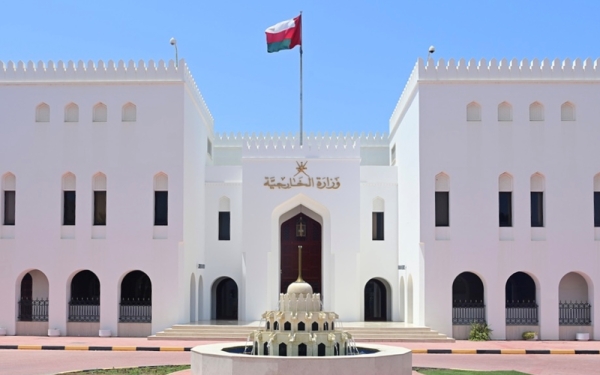
Attacks targeted Abha and King Khalid international airports in Saudi Arabia. The article does not identify the attackers, describe the weapons, or give casualty figures. It reports only that people died, others were injured, and property was damaged. The strikes matter because airports serve civilian travelers and workers. Damage or fear at such sites can disrupt normal transport and endanger people who are not taking part in fighting. Oman therefore rejected attacks on civilian facilities and actions threatening Saudi security and civilian safety. Oman’s Foreign Ministry issued its statement on Thursday. It called for wisdom, restraint, and avoidance of steps that could increase regional tensions. Oman also expressed solidarity with Saudi Arabia, offered condolences to victims’ families, and wished the injured a speedy recovery.
Based on reporting by Oman Observer
What happened at Abha and King Khalid international airports?
Attacks targeted Abha and King Khalid international airports in Saudi Arabia. The article does not identify the attackers, describe the weapons, or give casualty figures. It reports only that people died, others were injured, and property was damaged.
The strikes matter because airports serve civilian travelers and workers. Damage or fear at such sites can disrupt normal transport and endanger people who are not taking part in fighting. Oman therefore rejected attacks on civilian facilities and actions threatening Saudi security and civilian safety.
Oman’s Foreign Ministry issued its statement on Thursday. It called for wisdom, restraint, and avoidance of steps that could increase regional tensions. Oman also expressed solidarity with Saudi Arabia, offered condolences to victims’ families, and wished the injured a speedy recovery.
How many airports were targeted, and what kinds of harm were reported?
The article identifies two targeted airports: Abha and King Khalid international airports, both in Saudi Arabia. It does not provide a precise number of deaths or injuries, so the scale of casualties cannot be measured from the available information.
The reported harm falls into three categories. People died, people were injured, and material damage occurred. These categories show that the attacks affected both human life and airport property. The statement does not specify whether terminals, runways, aircraft, or other facilities were damaged.
The limited figures make the diplomatic response especially important. Oman condemned the attacks, rejected attacks on civilian facilities, and expressed solidarity with Saudi Arabia. It also offered condolences to victims’ families and wished injured people a speedy recovery, while urging steps to avoid further escalation.
What is a civilian airport, and why are attacks on civilian facilities condemned?
A civilian airport is an airport intended mainly for passenger travel, commercial flights, cargo, and related public services. Unlike a military air base, it is generally used by ordinary travelers, airport employees, airlines, and emergency services. The article describes the targeted facilities as civilian facilities.
Attacks on such places can harm people who are not participating in hostilities. They can also damage terminals, aircraft, transport links, and other services that communities depend on. The article reports deaths, injuries, and material damage at the two Saudi airports, illustrating why civilian safety is central to Oman’s condemnation.
Oman’s Foreign Ministry said attacks on civilian facilities and actions endangering civilians should be rejected. It called for wisdom and restraint because violence against civilian sites can deepen insecurity and increase regional tensions. These principles support protecting people and maintaining stable transport.
Where are Abha and King Khalid airports, and what roles do they play in Saudi Arabia’s air transport system?
Abha International Airport is in Abha, the capital of Saudi Arabia’s Asir region in the southwest. King Khalid International Airport is in Riyadh, the country’s capital. The source article names both facilities but does not provide their locations or describe their functions in detail.
In Saudi Arabia’s air transport system, Abha Airport supports travel to and from the Asir region. King Khalid International Airport is a major gateway for Riyadh and handles extensive domestic and international passenger traffic. These roles mean disruption at either airport can affect different parts of the country’s travel network.
The reported attacks caused deaths, injuries, and material damage. Oman condemned the strikes and urged restraint, linking civilian safety with regional stability. The article gives no information about flight cancellations, closure periods, or the precise operational impact on either airport.
What does Oman’s statement of solidarity with Saudi Arabia mean in diplomatic terms?
In diplomatic terms, solidarity is a public expression of support for another country during a crisis. Oman’s statement placed it alongside Saudi Arabia after the airport attacks. It showed concern for Saudi security, civilian safety, and the families affected by the violence.
The support had several clear elements. Oman condemned the attacks, rejected actions endangering Saudi Arabia, and extended sincere condolences to victims’ families. It also wished injured people a speedy recovery. These are diplomatic signals of sympathy, opposition to the attacks, and concern for humanitarian consequences.
The statement also urged wisdom and restraint. That matters because Oman linked the incident to wider regional security and stability. Rather than calling for actions that might intensify confrontation, it encouraged avoiding steps that could further escalate tensions. The article does not describe any additional diplomatic measures.
What can happen to passengers, airport workers, air travel, and regional stability when airports are attacked?
When airports are attacked, passengers and workers can face immediate death or injury. Buildings, aircraft, equipment, and other property may also be damaged. The article confirms all three forms of harm: deaths, injuries, and material damage at the targeted Saudi airports.
Air travel can then become less safe and less reliable. Flights may be delayed, diverted, or suspended, although the article does not say whether any of these occurred. Travelers may avoid affected routes, and airport employees may face fear or danger. Damage can also make airport operations harder to maintain.
The wider consequence is regional insecurity. Oman warned against actions that could further escalate tensions and stressed the need to preserve security and stability. Its solidarity with Saudi Arabia, condolences, and call for restraint show that the response concerns both immediate victims and the risk of broader conflict.
How does international humanitarian law distinguish civilian infrastructure from military targets during armed conflict?
International humanitarian law distinguishes civilian infrastructure from military targets through the principle of distinction. Civilian objects are protected unless, in the circumstances at the time, they make an effective contribution to military action and attacking them offers a definite military advantage. The article itself does not explain these legal rules.
A civilian airport is therefore normally protected when used for public transport. If a facility is used for military operations, its legal status may change under the specific circumstances. Even then, attackers must follow other rules, including proportionality and feasible precautions to reduce civilian harm. These are established legal principles beyond the article.
The article reports deaths, injuries, and material damage at two Saudi airports. Oman condemned attacks on civilian facilities and actions endangering civilians. That response reflects the importance of protecting civilian life, while the precise legal assessment would require facts about each airport’s use and the attacks.
Key Facts:
📌 Two Saudi airports were targeted.
📌 The attacks caused deaths, injuries, and material damage.
📌 Oman urged restraint to prevent escalating tensions.
📌 The attacks targeted two international airports.
📌 Deaths and injuries were reported.
📌 Material damage also resulted from the attacks.
📌 Civilian airports serve public air travel and related services.