News · Politics & Governance
India's 'cockroaches' vs Election Commission: What you need to know ahead of CJP's October 10 protests
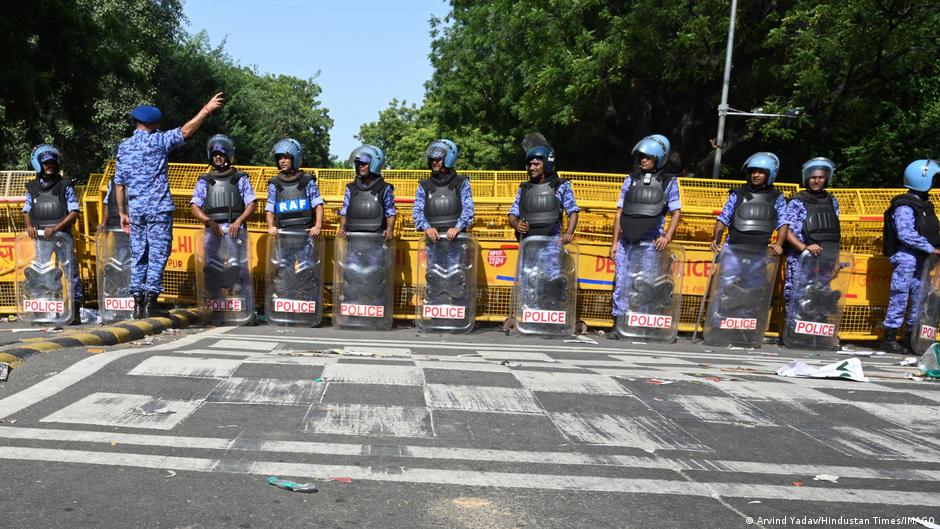
The Cockroach Janta Party, or CJP, is a youth-led movement named as an ironic echo of Prime Minister Narendra Modi's Bharatiya Janata Party. It began in May after Chief Justice Surya Kant referred to unemployed young people as “cockroaches.” Young people adopted the label and used it to express anger about education failures, unemployment and election concerns. The CJP is protesting the Election Commission's Special Intensive Revision, or SIR, of electoral rolls. It says the process has gone beyond correcting errors and is demanding Kumar's resignation, criminal proceedings against him, an immediate pause to upcoming elections and a freeze on SIR. It also wants the 2023 appointment law repealed. The movement has grown rapidly. It has nearly 25 million Instagram followers and previously helped force an education minister's resignation after exam-leak protests. It is now calling supporters to march to New Delhi's Jantar Mantar, alongside student groups, civil society members, opposition leaders and farmers' rights activist Rakesh Tikait.
Based on reporting by DW News
What is the Cockroach Janta Party (CJP), and why is it organizing protests against India's Election Commission?
The Cockroach Janta Party, or CJP, is a youth-led movement named as an ironic echo of Prime Minister Narendra Modi's Bharatiya Janata Party. It began in May after Chief Justice Surya Kant referred to unemployed young people as “cockroaches.” Young people adopted the label and used it to express anger about education failures, unemployment and election concerns.
The CJP is protesting the Election Commission's Special Intensive Revision, or SIR, of electoral rolls. It says the process has gone beyond correcting errors and is demanding Kumar's resignation, criminal proceedings against him, an immediate pause to upcoming elections and a freeze on SIR. It also wants the 2023 appointment law repealed.
The movement has grown rapidly. It has nearly 25 million Instagram followers and previously helped force an education minister's resignation after exam-leak protests. It is now calling supporters to march to New Delhi's Jantar Mantar, alongside student groups, civil society members, opposition leaders and farmers' rights activist Rakesh Tikait.
What decisions by Chief Election Commissioner Gyanesh Kumar and the Election Commission are at the center of the controversy?
The controversy centers on decisions made by the Election Commission of India under Chief Election Commissioner Gyanesh Kumar. The commission is overseeing SIR, a nationwide re-verification that requires voters to prove they remain eligible. Critics say the exercise has removed too many names and exceeded its stated purpose.
An Indian Express investigation found that election commissioners Sukhbir Singh Sandhu and Vivek Joshi raised at least 14 formal objections over 10 months. Their concerns involved voter registrations, deletions, restorations and control of electoral-roll data. In one objection, Sandhu said the commission acted against written advice from both commissioners and called the action “unauthorized and illegal.”
Kumar was chosen as CEC in 2025 by a panel led by Narendra Modi. Rahul Gandhi, who sat on that panel, opposed the appointment. The ECI rejects suggestions of a split or overreach and maintains that decisions, including SIR, were unanimous.
What is the Special Intensive Revision (SIR) of India's electoral rolls, and what must voters do under it?
The Special Intensive Revision, or SIR, is a nationwide process for re-verifying India's electoral rolls. Its purpose is to check whether registered voters still qualify to appear on the lists used for elections. That makes SIR important because the rolls determine which people can participate as voters.
Under the process described in the article, voters must prove their eligibility to remain on the rolls. The Election Commission says this helps remove inaccurate entries, including names of deceased people who have permanently moved abroad and duplicate registrations. It also says the process aims to prevent the inclusion of foreign illegal immigrants.
The dispute is about scope and implementation. Critics say the ECI has gone far beyond correcting routine errors, while the commission says its decisions were unanimous. The Indian Express reported that more than 130 million names were removed nationwide, intensifying demands to freeze SIR and hold elections until the concerns are addressed.
How many names were reportedly removed from India's electoral rolls, and how large is that number compared with the country's total electorate?
More than 130 million names were reportedly removed from India's electoral rolls during the nationwide revision. Before that process, India had about 970 million eligible voters. The figure is therefore enormous, representing roughly one in every eight people previously eligible to vote.
The article gives a striking comparison: Germany has about 60 million eligible voters in total. The reported removals in India amount to more than twice that number. This comparison shows why the issue has become a national political crisis rather than a narrow administrative dispute.
The exact effect on individual voters depends on whether removed names were duplicates or genuinely eligible registrations. The ECI says it is correcting errors and excluding foreign illegal immigrants. Critics argue that the scale suggests the process has exceeded that remit. The reported figure is driving demands for a freeze on SIR and for accountability from the election commissioners.
What could happen to upcoming elections and voters if the SIR process continues or if large numbers of names remain removed?
The article does not state that upcoming elections have been cancelled or that every removed name belonged to an eligible voter. It does show why the stakes are high: the electoral rolls determine who appears eligible to vote, and more than 130 million names were reportedly removed during SIR.
If eligible voters remain excluded, they could be unable to participate unless their registrations are restored. If inaccurate or duplicate names remain, the rolls could contain errors. These are general consequences of inaccurate electoral rolls, not outcomes confirmed by the article. The ECI says SIR is intended to correct such problems and block the inclusion of foreign illegal immigrants.
The political response is already visible. The CJP wants upcoming elections put on hold and SIR frozen. Opposition leaders, students, civil society members and farmers' rights activists have joined calls for accountability. The ECI maintains that all decisions were unanimous, so the dispute may continue unless the process gains wider trust.
Why does the Election Commission's independence and credibility matter in a country with one of the world's largest electorates?
An independent and credible Election Commission matters because it administers elections and manages the rolls that identify eligible voters. India had about 970 million eligible voters before the reported removals. When an institution handling elections is trusted, voters and political parties are more likely to accept both the process and its results.
The controversy directly tests that trust. The Indian Express reported at least 14 objections from commissioners Sukhbir Singh Sandhu and Vivek Joshi over decisions involving registrations, deletions, restorations and data control. Sandhu described one action as “unauthorized and illegal.” The ECI rejects suggestions of a split and says decisions were unanimous.
The dispute also involves the appointment system. Gyanesh Kumar became CEC in 2025 after selection by a panel led by Narendra Modi, while Rahul Gandhi opposed his appointment. Protests, arrests and demands for Kumar's resignation show that confidence in the election authority is now a central political issue.
How do electoral rolls, voter eligibility rules, and election commissioners work together to determine who can participate in a democracy?
Electoral rolls are the official lists used to identify registered voters. Eligibility rules set the conditions for appearing on those lists. Election commissioners oversee how registrations are added, removed or restored and how the rolls are used in elections. These parts work together to turn legal eligibility into practical participation.
SIR illustrates the mechanism. Voters must prove they remain eligible, while the ECI checks for deceased people, permanent departures, duplicate entries and alleged foreign illegal immigrants. The commission says this protects the accuracy of the rolls. Critics say the process has removed too many names and gone beyond correcting errors.
The commissioners' role is especially important because disagreements concern both decisions and data control. Sandhu and Joshi reportedly filed at least 14 objections, while the ECI says all decisions were unanimous. If the rolls are accurate and the process is trusted, eligible voters can participate. If not, access and confidence may both suffer.
Key Facts:
📌 The CJP emerged in May after unemployed young people were called “cockroaches.”
📌 The movement has nearly 25 million Instagram followers.
📌 The CJP is demanding Gyanesh Kumar's resignation and a freeze on SIR.
📌 Two commissioners raised at least 14 objections over 10 months.
📌 The objections concerned registrations, deletions, restorations and electoral-roll data.
📌 The ECI says decisions, including SIR, were unanimous.
📌 SIR is a nationwide re-verification of electoral rolls.