News · Defence & Security
31 civilians killed in RSF drone strike on Sudan displacement camp
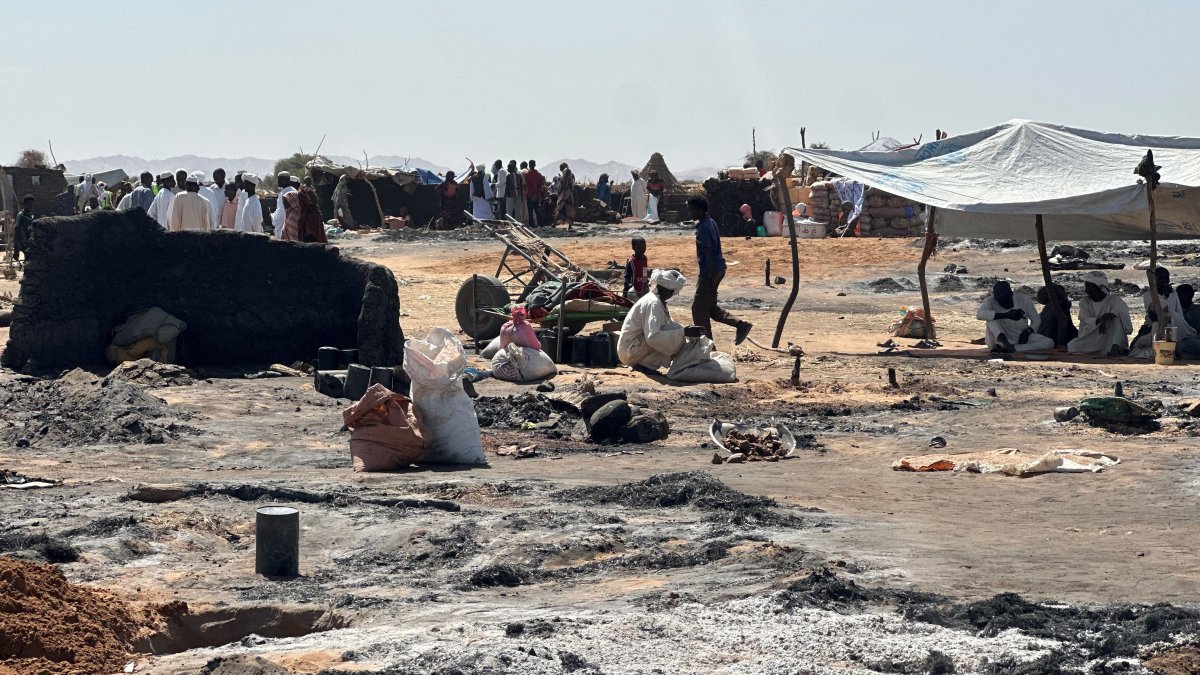
A drone strike hit a gathering of displaced people in the Abu Shandi area of Wad Al-Mahi locality, in southeastern Blue Nile state. The Sudan Doctors Network reported at least 31 civilian deaths and 19 injuries. The victims had fled fighting and were seeking safety in the camp. The attack matters because it struck people who were already vulnerable and unable to protect themselves. The medical group said four children were killed. Six children and eight women were among the injured. It blamed the Rapid Support Forces, or RSF, and described the strike as a war crime and a violation of international humanitarian law. The RSF had not immediately commented on the allegation. The attack adds to escalating violence in Blue Nile state. The Doctors Network called for condemnation and urgent action from the United Nations, humanitarian agencies, and international rights organizations. The reported strike may make displaced civilians even less secure and complicate aid efforts.
Based on reporting by Daily Sabah Turkey
What happened at the Abu Shandi displacement camp in Blue Nile state?
A drone strike hit a gathering of displaced people in the Abu Shandi area of Wad Al-Mahi locality, in southeastern Blue Nile state. The Sudan Doctors Network reported at least 31 civilian deaths and 19 injuries. The victims had fled fighting and were seeking safety in the camp. The attack matters because it struck people who were already vulnerable and unable to protect themselves.
The medical group said four children were killed. Six children and eight women were among the injured. It blamed the Rapid Support Forces, or RSF, and described the strike as a war crime and a violation of international humanitarian law. The RSF had not immediately commented on the allegation.
The attack adds to escalating violence in Blue Nile state. The Doctors Network called for condemnation and urgent action from the United Nations, humanitarian agencies, and international rights organizations. The reported strike may make displaced civilians even less secure and complicate aid efforts.
What are the Rapid Support Forces (RSF), and why are they fighting Sudan’s army?
The Rapid Support Forces are a powerful Sudanese paramilitary force. The source identifies them as one of the two main sides fighting Sudan’s army since April 2023. It also says the RSF is operating with the Sudan People’s Liberation Movement-North in attacks across Blue Nile state. The source does not give the RSF’s founding history or explain its political aims.
Established background adds that the war grew from a power struggle between army chief Abdel Fattah al-Burhan and RSF leader Mohamed Hamdan Dagalo, known as Hemedti. A central dispute involved plans to integrate the RSF into the regular army and the timing of that process. Fighting erupted after tensions between the forces worsened.
This conflict helps explain why the RSF is blamed for attacks and why the army is fighting it. However, responsibility for any individual strike requires investigation. In this case, the RSF had not immediately commented on the allegation concerning Abu Shandi.
How many people were killed, wounded, or displaced in this attack and in Sudan’s wider conflict?
The reported attack caused at least 50 casualties: 31 people were killed and 19 were wounded. Four children were among those killed. The injured included six children and eight women. These figures come from the Sudan Doctors Network, which described the victims as unarmed civilians who had fled the conflict.
The wider conflict is far larger. Fighting between Sudan’s army and the RSF has continued since April 2023. U.N. and international estimates cited in the source say tens of thousands of people have died and around 13 million have been displaced. Those figures show that Abu Shandi was part of a national humanitarian catastrophe, not an isolated crisis.
The exact wider totals may change as access improves and deaths are documented. The immediate numbers already show severe harm to civilians. Continued fighting in Blue Nile state could create more deaths, injuries, and displacement, while making it harder for aid groups to reach people who need help.
Why are displaced people living in camps, and what dangers do such camps face during wartime?
Displaced people live in camps because fighting has driven them from their homes. The Sudan Doctors Network said the Abu Shandi victims had fled the conflict in search of safety. Camps can offer shelter and access to assistance, but they are not automatically protected from violence. Their residents often have limited ways to escape or defend themselves.
Abu Shandi shows the danger clearly. A drone strike hit a gathering of displaced people, killing at least 31 civilians and wounding 19. Four children died, while six children and eight women were injured. The network said the victims were unarmed and called the attack a war crime and a breach of humanitarian law.
As fighting spreads, camps may face more attacks, fear, and fresh displacement. Aid workers may struggle to deliver food, medicine, and protection if routes become unsafe. The source calls for international organizations to act, but it does not report any protection measures already put in place.
What could happen to civilians and humanitarian aid as fighting intensifies in Blue Nile state?
Blue Nile state has seen escalating violence in recent weeks. The RSF and its ally, the Sudan People’s Liberation Movement-North, have launched attacks in several areas. If that pattern continues, civilians may face more strikes, ground attacks, injuries, deaths, and forced movement. Displaced people are especially exposed because they have already lost their homes and security.
The Abu Shandi strike illustrates the danger. It hit a gathering of displaced people and killed at least 31 civilians. Nineteen others were wounded, including six children and eight women. The Sudan Doctors Network said the victims were unarmed and urged the United Nations, humanitarian agencies, and international rights organizations to respond.
More fighting could also obstruct aid routes and make camps harder to reach. The source does not specify which aid deliveries have been blocked, so that consequence remains a risk rather than a reported fact. International pressure may increase, but the article gives no evidence of what action will follow.
What role do the RSF, Sudan’s army, the SPLM-N, the United Nations, and humanitarian organizations play in this conflict?
Sudan’s army and the RSF are the main opposing forces in the war that began in April 2023. The source says they have fought across Sudan, causing tens of thousands of deaths and around 13 million displacements. In Blue Nile state, the RSF is described as working with the Sudan People’s Liberation Movement-North, or SPLM-N, which has joined attacks in several areas.
The Abu Shandi case shows how these roles affect civilians. The Sudan Doctors Network blamed the RSF for the drone strike, while the RSF had not immediately responded. Sudanese authorities also accused the RSF of strikes against the governor’s residence and civilian sites in Damazin on October 3. These are allegations reported in the source, not independently established findings.
The United Nations, humanitarian agencies, and international rights organizations are not described as combatants. The medical network called on them to condemn the attack and take action to protect civilians. Their possible response could bring pressure and assistance, but the source does not say what action has occurred.
What is international humanitarian law, and why can deliberately attacking civilians or civilian sites be considered a war crime?
International humanitarian law sets rules for armed conflict. Its central purpose is to limit suffering and protect people who are not fighting, including civilians, children, and the wounded. It also requires parties to distinguish between military targets and civilian people or places. These protections matter especially in camps, where residents have fled violence and may be unarmed.
The Abu Shandi strike is relevant because it reportedly hit a gathering of displaced people. The Sudan Doctors Network said at least 31 civilians were killed and 19 wounded. It called the attack a war crime and a violation of international humanitarian law, holding the RSF responsible. The RSF had not immediately commented, and the source does not describe an independent investigation.
A deliberate attack on civilians or a civilian site can therefore qualify as a war crime. Legal responsibility depends on facts such as intent, the target, and available evidence. The network urged international bodies to condemn the strike and act to protect civilians as violence grows in Blue Nile.
Key Facts:
📌 A drone strike hit displaced people near Abu Shandi in Blue Nile state.
📌 At least 31 civilians died and 19 others were wounded.
📌 The Sudan Doctors Network blamed the RSF.
📌 The RSF is Sudan’s paramilitary Rapid Support Forces.
📌 The RSF has fought Sudan’s army since April 2023.
📌 The source does not explain the conflict’s origins.
📌 The Abu Shandi attack killed at least 31 civilians.