News · Defence & Security
Iraq’s Kurdistan Region Rattled by Iranian Drones as Militant Dispute Resumes
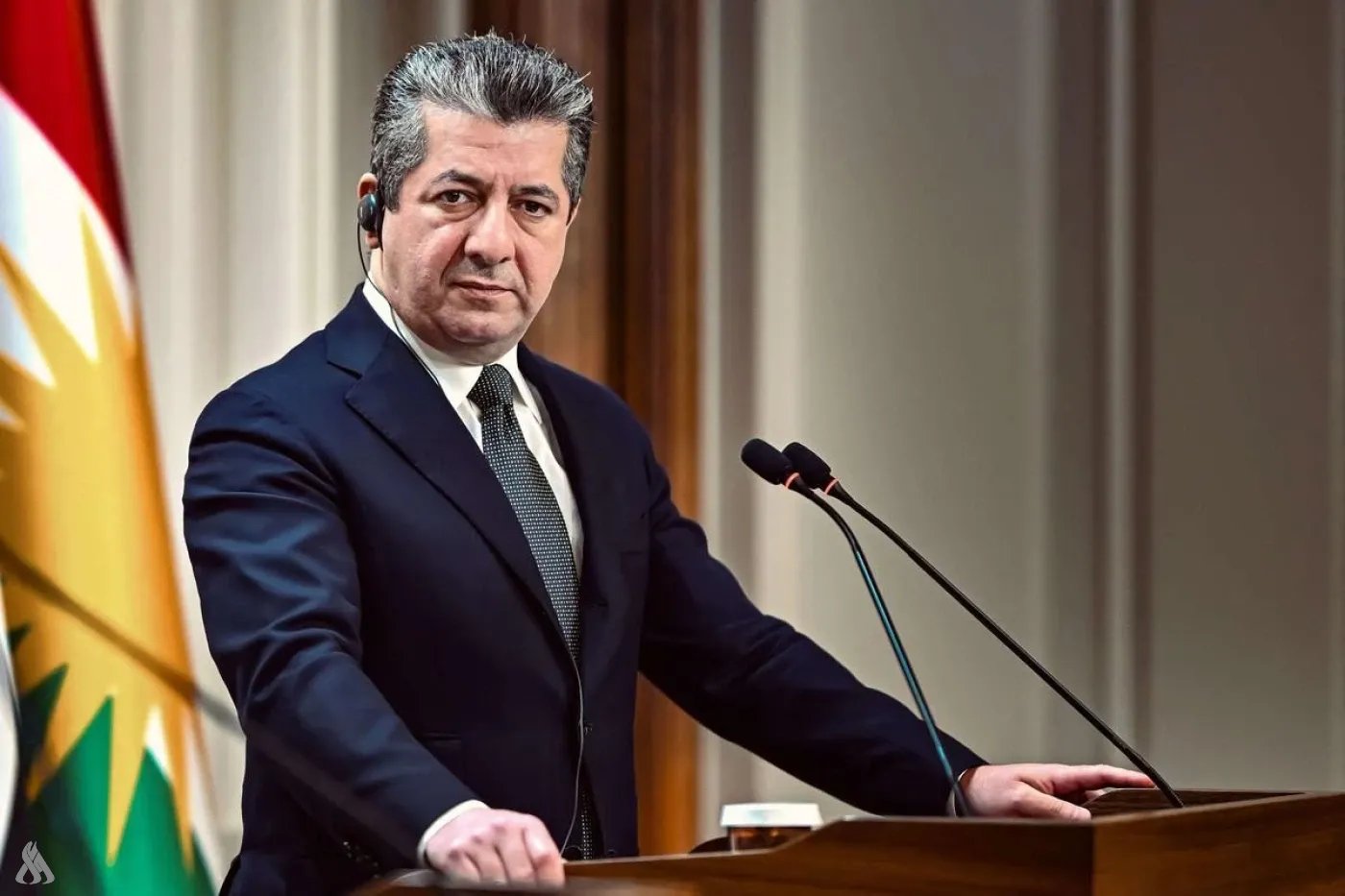
Iraq’s Kurdistan Region is the part of Iraq where the Kurdistan Regional Government, or KRG, operates. The article places its capital, Erbil, at the center of several attacks. The region also hosts Iranian Kurdish opposition groups that arrived with their families before the region was established in 1991. The KRG is the regional authority led by Prime Minister Masrour Barzani. It claims neutrality in the conflict but does not favor expelling the Iranian Kurdish groups. Its offices, leaders, and security institutions have therefore become involved in the dispute. Iranian drones targeted Barzani’s office and the residence of the KRG intelligence director. The KRG now faces pressure from both sides. Iran demands that the militant groups be extradited, expelled, or disarmed. The KRG argues that the Kurdish issue in Iran should be resolved through dialogue. Its choices affect regional security, relations with Baghdad and Tehran, and the safety of people in Erbil.
Based on reporting by Jamestown
What is Iraq’s Kurdistan Region, and what role does the Kurdistan Regional Government play there?
Iraq’s Kurdistan Region is the part of Iraq where the Kurdistan Regional Government, or KRG, operates. The article places its capital, Erbil, at the center of several attacks. The region also hosts Iranian Kurdish opposition groups that arrived with their families before the region was established in 1991.
The KRG is the regional authority led by Prime Minister Masrour Barzani. It claims neutrality in the conflict but does not favor expelling the Iranian Kurdish groups. Its offices, leaders, and security institutions have therefore become involved in the dispute. Iranian drones targeted Barzani’s office and the residence of the KRG intelligence director.
The KRG now faces pressure from both sides. Iran demands that the militant groups be extradited, expelled, or disarmed. The KRG argues that the Kurdish issue in Iran should be resolved through dialogue. Its choices affect regional security, relations with Baghdad and Tehran, and the safety of people in Erbil.
How many attacks have Iran and Iranian-backed factions launched, and how many people have been killed?
Iran and Iranian-backed factions have launched at least 1,000 drone and missile attacks against Iraq’s Kurdistan Region since the U.S.–Iran conflict began on February 28. These strikes have killed at least 32 people. The campaign has targeted Iranian Kurdish opposition groups, KRG leaders, U.S.-linked sites, and other facilities.
One deadly example came on July 17, after attacks intensified when a U.S.–Iran ceasefire broke down. At least 19 members of Iranian Kurdish opposition parties were killed. Ten belonged to Komala, an Iranian Kurdish opposition group with armed Peshmerga forces based in Iraqi Kurdistan. On September 2, ten drones were intercepted over Erbil.
The scale shows that the violence is not a single incident but a continuing campaign. The September 30 withdrawal of Coalition forces and July removal of Patriot systems could leave the region less protected. Attacks may continue even after U.S. forces leave, because Iran has also targeted non-U.S. sites.
Who are the Iranian Kurdish opposition groups based in Iraqi Kurdistan, and why does Iran want them disarmed or expelled?
The article identifies Komala as an Iranian Kurdish opposition group with armed Peshmerga forces based in Iraqi Kurdistan. It also refers more broadly to Iranian Kurdish militant or opposition groups living in camps with their families. They arrived before the Kurdistan Region was established in 1991 and were later moved away from the border.
Iran wants these groups completely removed, disarmed, or expelled from Iraq. Tehran has repeatedly linked its security demands to their presence. Iranian officials have also demanded extradition or expulsion, while Iran submitted Interpol Red Notice requests for 36 Kurdish opposition figures and activists. Attacks on the region appear connected to this pressure campaign.
The dispute persists because the KRG does not favor expelling the groups and says the Kurdish issue in Iran should be settled peacefully through dialogue. Reports that the United States might arm them, and that Israel considered a Kurdish invasion, have increased Iranian concern. The result is continued pressure on Baghdad and the KRG.
What changed when U.S.-led Coalition forces withdrew and Patriot missile systems were removed from Erbil?
The key change was a sharp reduction in outside military protection. Under a 2024 Iraqi–U.S. agreement, U.S.-led Coalition forces withdrew from the Kurdistan Region on September 30. Patriot missile systems at Erbil Airport had already been removed in July. Together, these changes left the region more exposed to drones and missiles.
The vulnerability is concrete. Iran and allied factions had already launched at least 1,000 attacks since February 28. On September 2, ten drones were intercepted in Erbil. The IRGC claimed it had destroyed facilities connected to a U.S. surveillance balloon at the airport. The article also notes that Iranian-backed factions have targeted Kurdish energy infrastructure.
The withdrawal could reduce attacks if Iran’s main stated reason was the presence of U.S. bases. But the danger may remain because Iran has attacked non-U.S. targets, including a Kurdish businessman, and could continue targeting the U.S. Consulate General. The KRG may need its own defenses or a political deal.
How did the 2023 Iraq–Iran security agreement address Kurdish militant groups, and why has it not ended the dispute?
In March 2023, Iraq and Iran signed a security agreement addressing Iranian Kurdish militant groups. The agreement required action to disarm them. In July 2023, Iran’s then-chief of the General Staff warned that the groups had to be disarmed or expelled. The agreement made the issue a formal security commitment between Baghdad and Tehran.
Some steps followed. Kurdish armed groups were moved to new camps and removed from the border after 2023. That reduced their direct presence near Iran’s frontier, but it did not satisfy Tehran. Iran continues to demand that the groups leave Iraq completely, rather than simply relocate within the country.
The dispute also continues because the KRG does not favor expelling the groups. It says they came as refugees with their families before 1991 and that the Kurdish issue in Iran should be resolved through dialogue. Iran has responded with pressure, drone attacks, extradition demands, and Interpol notices.
What options does the KRG have to reduce future attacks, and what trade-offs would each option involve?
The KRG has two main options identified in the article. It can procure its own air-defense systems, or it can mediate an agreement addressing Iran’s demands about Kurdish militants. It could also pursue a combination: protect key sites while negotiating limits on the groups’ activities and location.
Air defenses could reduce the damage from drones and missiles and compensate for the departure of Coalition forces and Patriot systems. The trade-off is that the article does not identify an existing KRG system or explain its cost. Negotiation could address Iran’s stated security concerns and possibly reduce attacks. But the KRG does not favor expelling groups that it considers refugee communities.
The political choice is therefore difficult. Concessions might ease pressure from Iran but undermine the groups’ presence and the KRG’s stated position on dialogue. Refusal could preserve that position but leave attacks and pressure continuing. The article says strikes will likely persist unless the KRG improves defenses or reaches an agreement.
What is national sovereignty, and why do foreign troops, armed opposition groups, and cross-border attacks make it difficult to enforce in Iraq’s Kurdistan Region?
In general, national sovereignty means that a state has supreme authority over its territory, laws, and security. Iraq’s Kurdistan Region makes that authority difficult to enforce because several actors operate across borders or outside Baghdad’s direct control. The KRG governs regionally, while foreign troops, Iranian Kurdish groups, Iran, and Iranian-backed factions affect security decisions.
The problem appears in several forms. Iranian Kurdish groups are based in Iraqi Kurdistan, while Iran demands that Iraq disarm or expel them. U.S.-led Coalition forces operated in the region, and Patriot systems protected Erbil Airport before their removal. Iran and allied factions then launched drones and missiles into Iraqi territory, including against KRG sites.
This creates competing claims of security authority. Iran says armed groups in Iraq threaten its security, while the KRG says the groups should not simply be expelled and that their issue requires dialogue. Iraq and the KRG must protect residents, manage foreign relationships, and prevent attacks without surrendering control over their territory.
Key Facts:
📌 The Kurdistan Regional Government operates in Iraq’s Kurdistan Region.
📌 Erbil is the region’s capital and has faced repeated drone attacks.
📌 Masrour Barzani leads the Kurdistan Regional Government.
📌 Iran and allied factions launched at least 1,000 attacks since February 28.
📌 At least 32 people have been killed in the attacks.
📌 Ten drones were intercepted in Erbil on September 2.
📌 Komala has armed Peshmerga forces based in Iraqi Kurdistan.