News · Defence & Security
🏴☠️ Rhysida has just published a new victim : Anne Arundel County
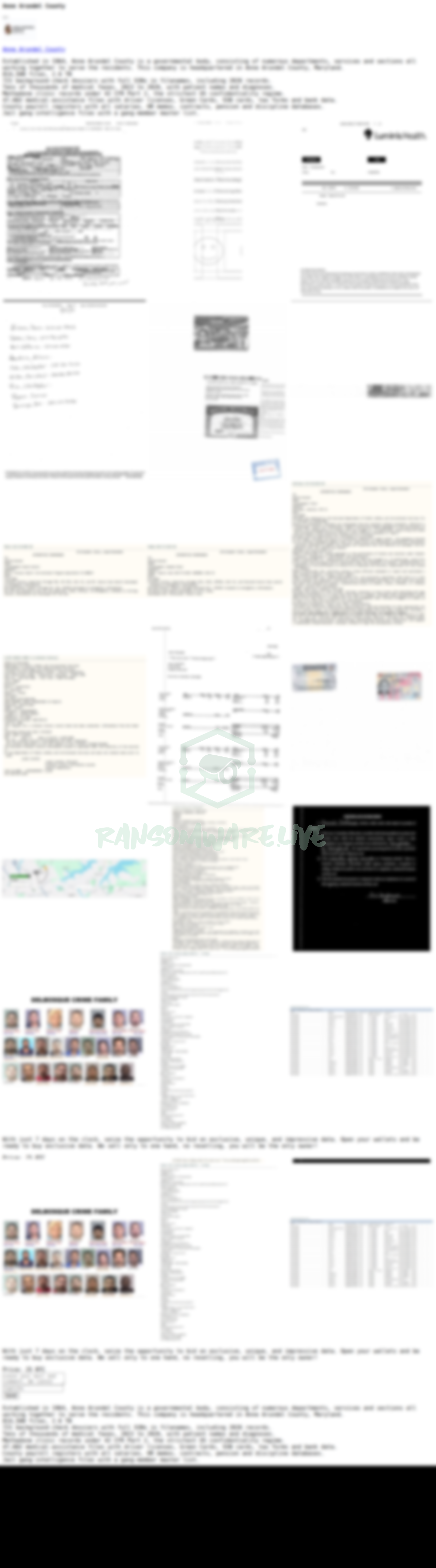
When a ransomware group publishes a victim on a leak site, it is making a public claim that the organization was attacked and data was taken. The post may identify the victim, give an alleged attack date, describe stolen files, and threaten or imply publication. It matters because the incident becomes visible to employees, customers, regulators, journalists, and other criminals. Here, the listing names Anne Arundel County and identifies Rhysida as the group. It claims 814,500 files totaling 2.6 TB, including medical faxes, background-check dossiers, payroll records, and jail gang-intelligence files. The site displays a leak screenshot, but the disclaimer says it does not acquire, host, or access the underlying stolen data. A listing is an allegation and does not independently prove every claim. Still, publishing sensitive details can increase pressure on a government body to respond, investigate, notify affected people, and protect systems. It can also expose victims to identity theft, fraud, harassment, or further targeting if the data is real.
Based on reporting by Ransomware.live
What does it mean when a ransomware group publishes a victim on a leak site?
When a ransomware group publishes a victim on a leak site, it is making a public claim that the organization was attacked and data was taken. The post may identify the victim, give an alleged attack date, describe stolen files, and threaten or imply publication. It matters because the incident becomes visible to employees, customers, regulators, journalists, and other criminals.
Here, the listing names Anne Arundel County and identifies Rhysida as the group. It claims 814,500 files totaling 2.6 TB, including medical faxes, background-check dossiers, payroll records, and jail gang-intelligence files. The site displays a leak screenshot, but the disclaimer says it does not acquire, host, or access the underlying stolen data.
A listing is an allegation and does not independently prove every claim. Still, publishing sensitive details can increase pressure on a government body to respond, investigate, notify affected people, and protect systems. It can also expose victims to identity theft, fraud, harassment, or further targeting if the data is real.
Who is Anne Arundel County, and what kinds of public services and departments could be affected?
Anne Arundel County is a governmental body established in 1964 and headquartered in Anne Arundel County, Maryland. The source describes it as a collection of numerous departments, services, and sections working together to serve residents. That broad structure means an incident could touch many functions rather than one isolated office.
The listing specifically mentions county payroll registers, human-resources memos, contracts, pension and discipline databases, medical-assistance files, and jail gang-intelligence records. It also claims medical faxes and background-check dossiers were exposed. These examples point to administrative, public-health, benefits, employment, and corrections-related information.
The source does not identify which systems were disrupted or confirm that every department was affected. However, the range of records illustrates why a government breach can have wide consequences. County staff may need to investigate across departments, protect residents and employees, and determine which public services or records require urgent attention.
How much information does the listing claim was exposed, and what kinds of records are included?
The claimed scale is substantial: 814,500 files and 2.6 TB of data. Those figures come from the ransomware listing, so they describe an operator's claim rather than an independently verified total. Even so, the volume suggests a potentially broad exposure spanning several county functions and many categories of sensitive information.
The listing describes 721 background-check dossiers with full Social Security numbers in filenames, including 2026 records. It also mentions tens of thousands of medical faxes from 2022 to 2026, 47,602 medical-assistance files, and methadone-clinic records. Other material allegedly includes payroll registers, HR documents, contracts, pension and discipline databases, plus a jail gang-member master list.
The records combine identity, health, financial, employment, immigration, and law-enforcement information. That mix can increase risks for residents, patients, employees, and incarcerated-person-related investigations. The source does not confirm how many people are affected, whether files were downloaded, or whether the claims have been validated.
Why are medical records, Social Security numbers, immigration documents, and bank information especially sensitive?
Medical records, Social Security numbers, immigration documents, and bank information are especially sensitive because they reveal intimate facts or enable access to a person's identity and finances. A diagnosis can expose private health information. A full SSN can help impersonate someone. Immigration documents can reveal legal-status and identity details, while bank data can support fraud or unauthorized transfers.
The listing claims medical-assistance files contained driver licenses, Green Cards, SSN cards, tax forms, and bank data. It also describes medical faxes with patient names and diagnoses, plus background-check dossiers containing full SSNs in filenames. These are not merely contact details; they can connect identity, healthcare, employment, and financial information.
The source does not report confirmed misuse of these records. However, the combination increases the potential impact if the claims are accurate. Affected organizations would need to determine whose information appears, secure compromised systems, assess notification duties, and provide appropriate support while preserving evidence for investigation.
Who is Rhysida, and how do ransomware groups typically use stolen data to pressure organizations?
Rhysida is the group named in the listing as the alleged attacker. The source gives no profile, history, membership details, or independent confirmation beyond that identification. In general, ransomware groups combine system disruption with data theft, creating two simultaneous pressures: restore operations and prevent sensitive information from being published.
The Anne Arundel County post claims Rhysida obtained 814,500 files totaling 2.6 TB. It highlights particularly sensitive material, including full-SSN background-check dossiers, medical faxes, methadone-clinic records, benefits files, payroll data, and a gang-member master list. Naming these categories makes the threat more credible and increases pressure on the alleged victim.
A leak-site publication can also affect people whose data appears in the files, not just the organization. It may prompt investigations, notifications, and protective measures. The source does not say whether Anne Arundel County paid, negotiated, restored systems, or confirmed the breach. Those outcomes remain unstated in the provided material.
What legal protections apply to the methadone-clinic records mentioned in the listing, and why is 42 CFR Part 2 unusually strict?
42 CFR Part 2 is a United States confidentiality rule for records connected to federally assisted substance-use-disorder treatment programs. Its purpose is to protect people from harms that can follow disclosure, such as stigma, discrimination, legal consequences, or loss of trust in treatment. The listing describes the methadone-clinic records as being under the strictest US confidentiality regime.
That makes the alleged exposure especially serious. The listing does not give the number of methadone-clinic files or describe their exact contents. It places them alongside tens of thousands of medical faxes and other records that allegedly contain patient names and diagnoses. Those details could identify people receiving treatment and reveal highly private health information.
The source does not describe a confirmed disclosure, regulator finding, or response by the county. If the records were accessed or published, the organization would need specialized legal and privacy review, careful investigation, and a precise assessment of notification and safeguarding duties. The applicable rules can depend on the program and the record involved.
How can a government organization limit the damage from a ransomware attack through backups, access controls, encryption, and incident response?
Government organizations can reduce ransomware damage by preparing before an attack. Backups should be frequent, tested, and separated from ordinary network access so attackers cannot easily encrypt or delete them. Access controls should give each worker only the permissions needed for the job, with strong authentication and prompt removal of unused accounts.
Encryption helps in two ways. Encrypting stored data can make stolen files harder to use, while protecting data in transit reduces exposure during movement between systems. Monitoring, network segmentation, and an incident-response plan can help identify unusual activity, isolate affected systems, preserve evidence, and coordinate technology, legal, privacy, communications, and public-service teams.
The Anne Arundel County listing shows why layered defenses matter: the alleged data spans healthcare, benefits, payroll, immigration, finance, and jail intelligence. Clean backups may support recovery, but they cannot undo disclosure. Organizations also need tested notification procedures, vendor coordination, and exercises that reveal gaps before a real incident.
Key Facts:
📌 A leak-site post publicly identifies an alleged ransomware victim.
📌 The Anne Arundel County listing names Rhysida.
📌 The platform says it does not access or host stolen data.
📌 Anne Arundel County was established in 1964.
📌 The county is headquartered in Maryland.
📌 Its departments and services work together to serve residents.
📌 The listing claims 814,500 files were exposed.