News · Economy & Business
UK tariffs could put the brakes on cheap Chinese EVs after record month
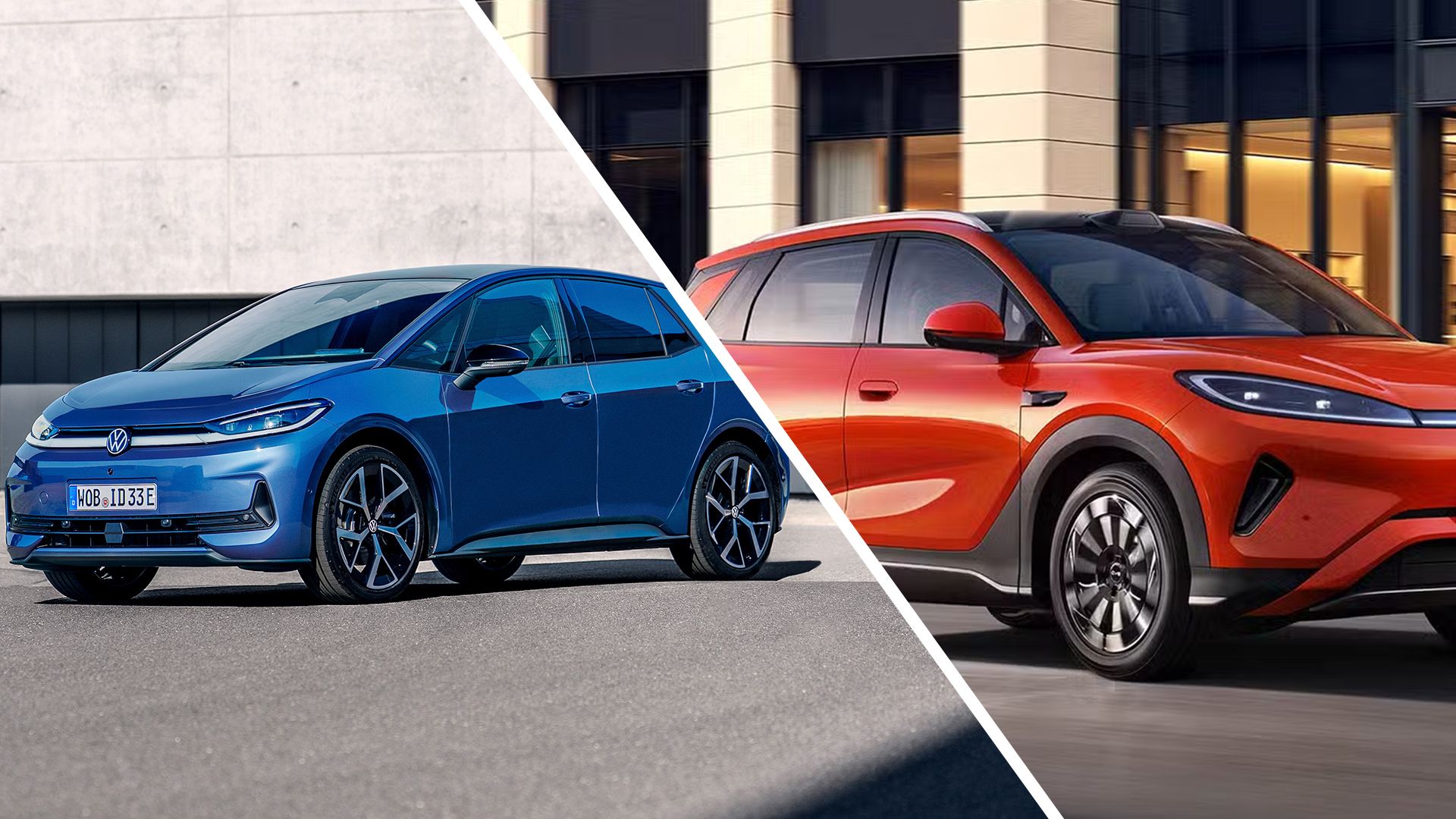
The UK is considering higher tariffs on electric vehicles imported from China because Chinese brands are winning customers with competitively priced cars. The move could protect European manufacturers from what the article describes as low-cost, state-subsidized competition. It comes as Chinese EV sales rise quickly in Britain, putting pressure on established brands. Germany is proposing “Made in Europe” policies that favor European producers and carmakers. Those policies respond to trade practices by China and the United States, according to Politico. Germany sees stronger trade defenses as a way to support its major car industry, including Volkswagen and Audi. Chancellor Friedrich Merz wants the UK to back this approach as a show of solidarity. The UK’s support could help create a more united European response. However, the article warns that tariffs could raise prices and reduce consumer choice, creating a trade-off between protecting manufacturers and keeping EVs affordable.
Based on reporting by TechRadar
Why is the UK considering higher tariffs on electric vehicles imported from China, and why does Germany want the UK to support the move?
The UK is considering higher tariffs on electric vehicles imported from China because Chinese brands are winning customers with competitively priced cars. The move could protect European manufacturers from what the article describes as low-cost, state-subsidized competition. It comes as Chinese EV sales rise quickly in Britain, putting pressure on established brands.
Germany is proposing “Made in Europe” policies that favor European producers and carmakers. Those policies respond to trade practices by China and the United States, according to Politico. Germany sees stronger trade defenses as a way to support its major car industry, including Volkswagen and Audi.
Chancellor Friedrich Merz wants the UK to back this approach as a show of solidarity. The UK’s support could help create a more united European response. However, the article warns that tariffs could raise prices and reduce consumer choice, creating a trade-off between protecting manufacturers and keeping EVs affordable.
How strongly are Chinese EV brands performing in the UK market, and how does their sales growth compare with established brands such as Tesla, Volkswagen, and Audi?
Chinese EV brands are performing strongly in the UK. BYD placed third and fourth in September with its Sealion 7 and Seal. Leapmotor, which launched in Britain only last year, also reached the top ten with its B10 SUV. These results show that newer Chinese brands are quickly gaining attention and sales.
BYD is catching Tesla’s long-standing lead with the Model 3 and Model Y, which regularly top battery-electric sales charts. The article also names BYD, Jaecoo, MG and Leapmotor as brands winning customers with affordable, capable products. Geely and Omoda are among other Chinese-linked names waiting to expand.
Established German brands are under pressure. Volkswagen and Audi were both at the bottom of September’s Top Models charts. Even newer European offerings from Renault, Skoda and Mercedes-Benz were being outsold by BYD, according to the article.
What is a tariff, and how would a tariff on Chinese electric vehicles be charged?
A tariff is a government charge placed on goods brought into a country from abroad. For a Chinese electric vehicle, the UK would apply the charge to the vehicle when it is imported. The tariff would usually be calculated as a percentage of the vehicle’s import value, although the article does not specify the exact proposed UK formula.
If the rate matched the European Commission’s levy of up to 45%, an imported EV valued at £30,000 could face a charge of up to £13,500. That example is an explanation of how a percentage tariff works, not a figure given in the article. The importer would then face a higher total cost before the car reached the customer.
Manufacturers or importers might absorb some of the cost, but the article warns that prices could rise. The precise rate, calculation method and timing remain undecided because the UK is only considering the measure.
What could happen to EV prices, consumer choice, inflation, and interest rates if the UK imposed tariffs of up to 45%?
Tariffs would raise the cost of importing Chinese electric vehicles. Manufacturers or importers could pass that extra cost to customers, making affordable models less affordable. Buyers might then face higher prices, fewer low-cost choices and slower access to the products currently helping EV sales grow.
The article gives a warning from Guy Pigounakis, commercial director of the Chinese-owned MG. He said matching the European Commission’s levy of up to 45% would have a “significant impact” on prices. He also said the policy could drive up inflation and potentially interest rates. The mechanism is straightforward: higher import costs can feed into vehicle prices and wider price pressures.
Tariffs could still give domestic and European manufacturers more protection from Chinese competition. But the article presents this as a Catch-22. Protection may help local businesses, while consumers carry the burden through higher prices and less choice. The final UK policy is not yet confirmed.
How large is the shift toward electrified vehicles in the UK, and what does the figure of 58.4% of registrations include?
The UK’s shift toward electrified vehicles is substantial. The Society of Motor Manufacturers and Traders reported that electrified vehicles took a record 58.4% of all registrations. This means more than half of newly registered vehicles fell into the article’s broad electrified category.
The 58.4% figure includes battery-electric vehicles, or BEVs, and hybrids. It therefore does not represent fully electric cars alone. The article says electrified vehicles “helped power growth,” linking the wider category to the strength of the UK vehicle market during the period described.
Chinese brands are part of this changing market. BYD reached third and fourth place in September, and Leapmotor entered the top ten. Their progress shows how the growing demand for electrified vehicles is opening space for newer companies. It also intensifies pressure on Tesla, Volkswagen, Audi and other established manufacturers.
Why can Chinese EV makers offer vehicles at such competitive prices, and what role do government subsidies, battery technology, and manufacturing scale play?
Chinese manufacturers can offer highly competitive EVs because the article describes their vehicles as low-cost and state-subsidized. It also says China appears ahead in battery and charging technology. Those advantages can help companies build capable cars while keeping prices attractive to buyers.
Government support can reduce costs or help manufacturers invest, while advanced batteries and charging systems can improve a vehicle’s value. Manufacturing scale can spread factory, research and development costs across more vehicles, lowering the cost per car. This scale explanation is established industry knowledge; the article does not provide a specific production figure or subsidy amount.
The result is strong market momentum for BYD, MG, Jaecoo and Leapmotor. Chinese companies are also exploring and opening manufacturing plants in European locations. Producing closer to European customers could help them respond to possible future tariffs, although the article does not say whether those plants would eliminate all tariff exposure.
How do tariffs protect domestic manufacturers while potentially making products more expensive for consumers, and why might companies respond by building factories in Europe?
A tariff raises the cost of products arriving from overseas. That makes imported EVs less price-competitive and can give domestic or regional manufacturers more room to sell. The intended benefit is protection from outside competition, especially when imported vehicles are cheaper or supported by subsidies.
Consumers may pay the price. The article describes a Catch-22: domestic businesses receive greater protection, but buyers face increased prices and lesser choice. If a tariff adds to an imported car’s cost, a company may pass the charge on to customers, absorb some of it, or change its pricing and supply plans.
Chinese manufacturers are already exploring and opening plants in European locations to protect themselves against possible future tariffs. Building cars closer to European customers could reduce reliance on imports and help maintain market access. The article does not specify which plants will qualify for exemptions or how much protection they would provide.
Key Facts:
📌 The UK could impose tariffs on electric vehicles imported from China.
📌 Germany wants British support for its “Made in Europe” plans.
📌 Tariffs could protect European producers from low-cost Chinese EVs.
📌 BYD placed third and fourth in September with the Sealion 7 and Seal.
📌 Leapmotor entered the UK top ten with its B10 SUV.
📌 Volkswagen and Audi sat at the bottom of September’s Top Models charts.
📌 A tariff is a tax charged on imported goods.