News · Health & Medicine
Multiple newborn deaths at public hospitals in Jalisco and Durango trigger clinical and legal investigations
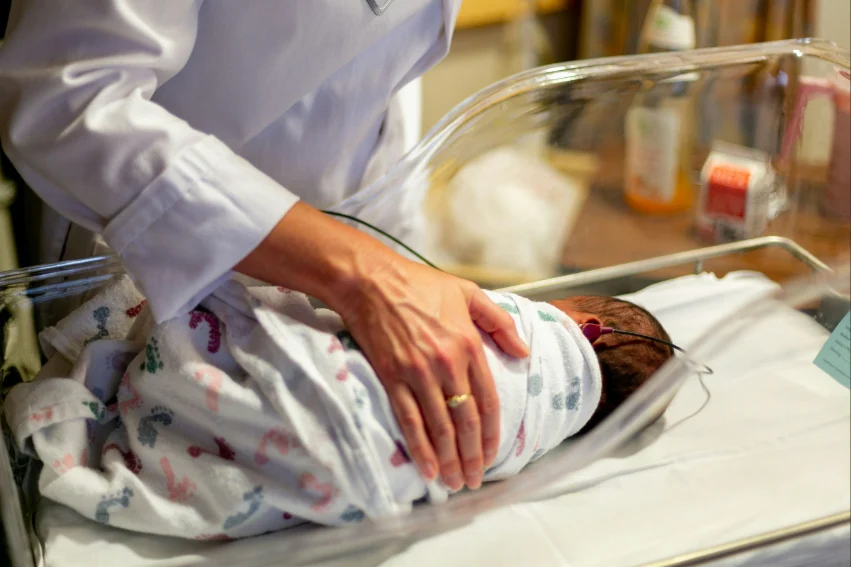
The reported deaths occurred in two IMSS public hospitals in Mexico. Guadalajara’s Centro Médico Nacional de Occidente in Jalisco recorded at least eight and possibly 18 newborn deaths. The cases occurred from March 14 through September 28, 2026. The uncertainty reflects the different totals reported during the investigation. Durango’s General Hospital Zone No. 1 recorded five newborn deaths. Those deaths occurred between September 15 and September 19. Four of the five infants tested positive for Klebsiella pneumoniae, the same bacteria linked to some Guadalajara cases. The combined reported total is at least 13 deaths, but the article does not provide a confirmed single total because Guadalajara’s number may be as high as 18. Investigations, clinical audits, forensic work, and necropsies are continuing to establish what happened and whether infections directly caused any deaths.
Based on reporting by Mexico News Daily
How many newborns died, in which hospitals and states, and over what time period?
The reported deaths occurred in two IMSS public hospitals in Mexico. Guadalajara’s Centro Médico Nacional de Occidente in Jalisco recorded at least eight and possibly 18 newborn deaths. The cases occurred from March 14 through September 28, 2026. The uncertainty reflects the different totals reported during the investigation.
Durango’s General Hospital Zone No. 1 recorded five newborn deaths. Those deaths occurred between September 15 and September 19. Four of the five infants tested positive for Klebsiella pneumoniae, the same bacteria linked to some Guadalajara cases.
The combined reported total is at least 13 deaths, but the article does not provide a confirmed single total because Guadalajara’s number may be as high as 18. Investigations, clinical audits, forensic work, and necropsies are continuing to establish what happened and whether infections directly caused any deaths.
What is a neonatal intensive care unit, and why are babies treated there especially vulnerable to serious infections?
A neonatal intensive care unit, or NICU, is a hospital unit for newborns who need constant monitoring and advanced treatment. It cares for babies with serious health problems, including those who need help with breathing, feeding, circulation, or other vital functions. The article identifies both affected hospital units as neonatal intensive care units.
Babies in NICUs are vulnerable because their bodies are still developing. Premature or seriously ill newborns may have weaker immune defenses and less ability to fight invading organisms. They may also need tubes, catheters, or other procedures that can give germs opportunities to enter the body. Close contact among patients and staff can increase risks if infection controls fail.
That vulnerability makes rapid detection and strict prevention especially important. In the reported cases, authorities linked at least eight Guadalajara deaths to hospital-acquired infections. However, investigations must still determine each infection’s exact role in each death.
What is a hospital-acquired infection, and how can Klebsiella pneumoniae or Candida albicans harm newborns?
A hospital-acquired infection is an infection that develops during or after a person receives care in a healthcare facility, rather than being present before treatment. Such infections matter because hospitals contain vulnerable patients and organisms that can spread through contact, equipment, or contaminated environments. The article links at least eight Guadalajara deaths to hospital-acquired infections.
Klebsiella pneumoniae is a bacterium that can cause serious infections, including bloodstream or lung infections. Candida albicans is a fungus that can invade the bloodstream or other tissues. In newborns with immature defenses, these infections can become severe quickly and may disrupt vital organs. The article does not specify the exact infection in every death.
In Durango, four of five infants who died tested positive for Klebsiella pneumoniae. That finding prompted concern, but authorities have not established that every detected infection directly caused a death. The audit and forensic investigations are examining each case separately.
Why does finding an infection in a newborn not automatically prove that the infection caused the baby's death?
Finding an infection means that an organism was detected in the newborn or related samples. It does not automatically show that the organism caused the death. A critically ill baby may have several serious conditions at once, and an infection may be present without being the event that led directly to death. Timing and the infection’s severity also matter.
For example, authorities found Klebsiella pneumoniae in four of the five Durango infants who died. That shared result is important evidence, but it does not by itself prove that the bacterium caused all four deaths. Doctors must examine symptoms, laboratory results, treatments, organ damage, and the medical timeline for each infant.
The article reports that IMSS Director General Zoé Robledo said the direct relationship between detected infections and deaths remained to be determined. An independent committee will review cases individually, while forensic investigations and necropsies continue to help establish medical and legal responsibility.
How do the IMSS clinical audit, the FGR investigation, and necropsies differ in determining what happened and who may be legally responsible?
The IMSS clinical audit is an internal health-system review conducted independently of criminal complaints. Its committee includes neonatologists, infectious disease specialists, and epidemiologists. They will examine each newborn’s records and circumstances, identify possible clinical errors, and determine whether IMSS should take action. The audit’s first communication will go to the families.
The FGR investigation is a formal law-enforcement process. Relatives of some newborns filed complaints alleging medical negligence and lack of hygiene. The FGR can investigate those allegations and possible legal responsibility. Necropsies are forensic examinations of the bodies. They can provide evidence about causes and circumstances of death for the legal investigation.
These processes overlap but have different purposes. The audit focuses on clinical facts and preventing similar events. The FGR examines possible offenses and responsibility. Robledo said IMSS will cooperate with the FGR and other competent authorities, and act if errors or liabilities are found at any level.
What actions have already resulted from the deaths, such as hospital closures, staff removals, protests, and demands for compensation or accountability?
The deaths produced immediate institutional and public consequences. Protests by grieving families in Durango intensified scrutiny of the hospital and its handling of the deaths. In response, the IMSS dismissed its state delegate in Durango. The neonatal unit there was also temporarily closed to contain any potential outbreak.
Jalisco saw personnel changes as well. The director of the Guadalajara hospital and the head of its neonatal unit were temporarily removed from their posts. Families of three babies who died between July and August filed a complaint with the FGR against IMSS Jalisco, alleging medical negligence and lack of hygiene. Other relatives also sought answers through legal channels.
The article does not report compensation demands or payments. It does report demands for accountability and truth. IMSS ordered an independent clinical audit, promised to share findings first with families, and said it would act on errors or liabilities regardless of where they occurred. Forensic investigations remain underway.
What infection-control practices do hospitals use to prevent outbreaks in neonatal units, and why can failures in hygiene or surveillance spread infections quickly?
Hospitals generally prevent neonatal outbreaks with careful hand hygiene, sterile procedures, clean equipment, environmental disinfection, safe handling of medicines, and separation of patients when needed. Staff also monitor infections, test concerning samples, track patterns, and investigate unusual increases quickly. These measures protect babies whose immune systems and health may be fragile. The article specifically mentions allegations of lack of hygiene and temporary closure to contain a potential outbreak.
Klebsiella pneumoniae and Candida albicans can spread when organisms move between patients, staff, equipment, or contaminated surfaces. In a NICU, many babies receive invasive devices and repeated procedures. A missed infection or delayed warning can therefore affect multiple patients before the source is recognized.
The article does not identify which prevention practices failed. It reports that relatives alleged poor hygiene, while authorities continue investigating. The IMSS audit includes infectious disease specialists and epidemiologists, who will review each case and help determine what occurred and how similar events might be prevented.
Key Facts:
📌 Guadalajara reported at least eight and possibly 18 newborn deaths.
📌 Five newborns died in Durango between September 15 and September 19.
📌 The Guadalajara deaths occurred from March 14 through September 28.
📌 A NICU treats newborns needing intensive medical care and monitoring.
📌 Newborns in intensive care can be medically fragile and vulnerable to infection.
📌 The affected hospitals’ neonatal units cared for critically ill infants.
📌 At least eight Guadalajara deaths involved hospital-acquired infections.