News · Social Issues
Bhotekoshi floods leave 269 children without one or both parents
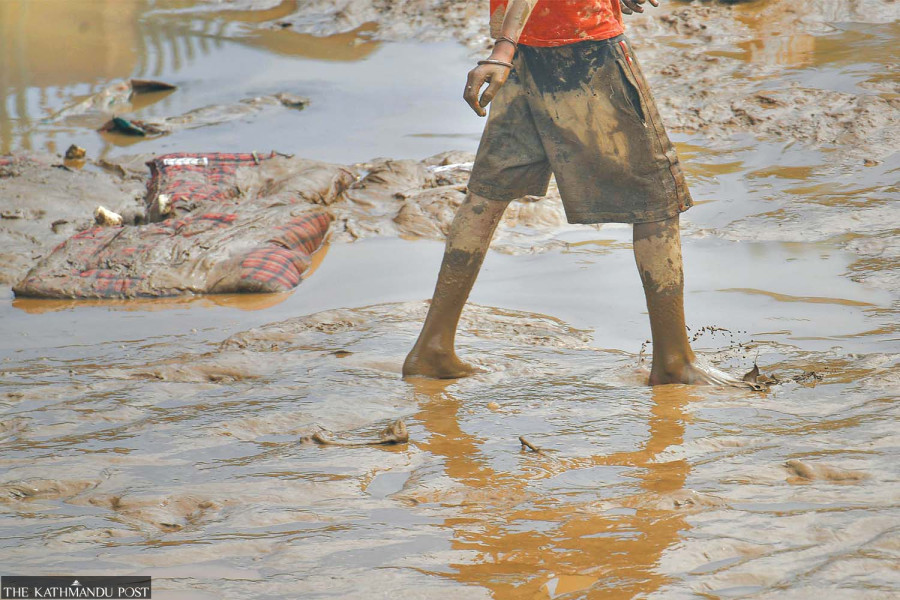
The August 26 Bhotekoshi floods affected Nuwakot and Rasuwa and separated many children from their families. A National Child Rights Council study found that 269 of 584 children in holding centres had lost contact with one or both parents. They were therefore left without parental care, at least temporarily. The figure may rise as authorities continue documenting affected children. The preliminary report recorded 41 children who had lost both parents, 161 who had lost their fathers and 67 who had lost their mothers. Children were staying in holding centres in Kathmandu, Nuwakot and Rasuwa. Some affected people from other districts also remained missing, making the full situation harder to measure. The council is collecting names, addresses and other details through local units and district administration offices. It says a complete review is needed to establish the actual number. The findings also show the need to reunite families, protect children from abuse and discrimination, and arrange long-term care when relatives cannot help.
Based on reporting by Kathmandu Post Nepal
What happened in the Bhotekoshi floods, and why did hundreds of children end up without parental care?
The August 26 Bhotekoshi floods affected Nuwakot and Rasuwa and separated many children from their families. A National Child Rights Council study found that 269 of 584 children in holding centres had lost contact with one or both parents. They were therefore left without parental care, at least temporarily. The figure may rise as authorities continue documenting affected children.
The preliminary report recorded 41 children who had lost both parents, 161 who had lost their fathers and 67 who had lost their mothers. Children were staying in holding centres in Kathmandu, Nuwakot and Rasuwa. Some affected people from other districts also remained missing, making the full situation harder to measure.
The council is collecting names, addresses and other details through local units and district administration offices. It says a complete review is needed to establish the actual number. The findings also show the need to reunite families, protect children from abuse and discrimination, and arrange long-term care when relatives cannot help.
What are holding centres, and why were affected children staying in them?
In this article, holding centres are places where children displaced by the Bhotekoshi floods were staying in Kathmandu, Nuwakot and Rasuwa. The council assessed children living in these centres to learn who had parental care, who was missing a parent and who needed protection. The article does not give a formal definition of holding centres, but it presents them as temporary places of shelter and assessment.
The centres included facilities in Kathmandu, Nuwakot and Rasuwa. The council found 584 children there. Among them, 269 had lost contact with one or both parents. Another 315 children were living with both parents and were classified as low risk. Most children in Kathmandu’s centres were from Rasuwa.
These centres helped authorities identify children needing urgent support after the disaster. The council also reported that 296 displaced children were sheltering in monasteries in Kathmandu. It recommended family-based care whenever possible, followed by other willing families before institutional care.
How many children were assessed, and how many had lost one or both parents?
The National Child Rights Council assessed 584 children living in holding centres in Kathmandu, Nuwakot and Rasuwa. It found that 269 children, or 46 percent, had lost contact with one or both parents. This meant they were living without parental care when the preliminary assessment was made. The council warned that the number was not final.
The report identified 41 children who had lost both parents. Another 161 had lost their fathers, and 67 had lost their mothers. Together, the two one-parent groups total 228 children. The report classified children who had lost both parents as extremely vulnerable and at high risk. Children who had lost one parent were considered at medium risk.
The remaining 315 children, or 54 percent, were staying with both parents and were classified as low risk. Earlier rapid records covered 1,233 children but showed different totals. The council said duplicate counting and less formal notes may explain the difference.
What is the difference between losing contact with a parent and confirming that the parent has died?
The article uses “lost contact” to describe children who could no longer reach one or both parents after the floods. That wording is broader than confirming a death. A parent may be dead, missing, separated from the child or otherwise unreachable. The preliminary report therefore measures a child’s lack of parental care, not only verified bereavement.
The report specifically states that 41 children had lost both parents. It also records 161 children who had lost their fathers and 67 who had lost their mothers. However, the article does not explain how many of these parents were confirmed dead, missing or otherwise out of contact. It says some people from other districts also went missing.
This distinction matters because authorities must first identify children and verify family information. The council is collecting names, surnames and addresses through local units and district administration offices. A detailed review is needed before the final number of children who lost parents can be established.
What risks do children face when they lose parental care after a disaster?
A disaster can leave children without the adults who protect, care for and speak for them. The council identified risks including health problems, disabilities, abuse, discrimination and the loss of birth registration or other documents. Children may also experience distress after losing family members. The report therefore treats parental loss as both an immediate protection problem and a long-term care challenge.
The assessment found children with pneumonia, lung problems requiring surgery, heart disease and autism. It also recorded caste-based discrimination and abuse involving a girl at a Kathmandu monastery. Children whose birth certificates were destroyed could face difficulty receiving relief or enrolling in school. These examples show how disaster-related risks can overlap.
The council classified children who lost both parents as extremely vulnerable and high risk, requiring immediate legal protection and long-term care. It recommended psychosocial counselling, family-based care where possible, replacement documents, continued education and coordination among authorities. These measures aim to reduce further harm while families are traced or care arrangements are made.
Who is responsible for identifying, protecting and supporting these children, and what is the National Child Rights Council’s role?
Responsibility is shared among the National Child Rights Council, local units, district administration offices, local child rights committees and relevant government agencies. The council operates under the Ministry of Women, Children, Gender and Sexual Minorities, and Social Security. UNICEF and Save the Children collaborated on the study. The article stresses coordination and the children’s best interests.
The council assessed 584 children and collected formal details such as names, surnames and addresses. It is continuing to gather information through local units and district administration offices. It also classified children by risk. Those who lost both parents require immediate legal protection and long-term care, while those who lost one parent were placed at medium risk.
The council recommended family-based care wherever possible. If relatives cannot help, other willing individuals or families should be considered before institutional care. It also called for psychosocial counselling, replacement birth and citizenship-related documents, continued education, safe environments and prompt action against discrimination or abuse.
Why are birth registration and other identity documents important for children’s access to relief, education and legal protection?
Birth registration and other identity documents connect children to essential services and legal protections. The report specifically warns that children whose birth certificates were destroyed when homes were swept away could face difficulty accessing relief and enrolling in school. The article also mentions citizenship-related documents, which local units were urged to replace free of charge.
The mechanism is practical: authorities and service providers need reliable details about a child’s identity and family. The council’s formal assessment therefore recorded names, surnames and addresses. Without documents, affected children may face delays or barriers while seeking assistance, continuing education or receiving protection. The article does not list every legal use of these documents.
The council recommended that local units provide free copies of destroyed birth registration certificates and citizenship-related documents. It also urged authorities to ensure children could continue their education. Replacing records is part of a wider response that includes family tracing, psychosocial counselling, safe care and coordination among government agencies.
Key Facts:
📌 At least 269 children lacked parental care after the August 26 floods.
📌 The study assessed 584 children in three districts.
📌 The final number may rise as documentation continues.
📌 Holding centres housed flood-displaced children in three locations.
📌 The council assessed children there for parental care and protection needs.
📌 Some displaced children were sheltering in Kathmandu monasteries.
📌 The assessment covered 584 children.