News · International Relations
Trump says Russia will supply millions of tonnes of diesel as US eases sanctions on Moscow
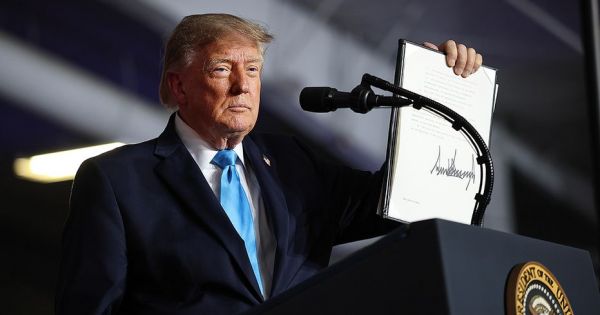
The agreement links Russian diesel exports with temporary US sanctions relief. President Donald Trump said Russia would send diesel to American and global markets, while the Treasury Department suspended sanctions on Russian diesel until April 2027. The goal is to increase available fuel and reduce prices. Trump listed several delivery stages. Russia would immediately supply over 300,000 tonnes, followed by 500,000 tonnes in November and 1 million tonnes immediately afterward. Depending on refinery conditions, it could deliver another 3 million tonnes soon. Together, those amounts total more than 4.8 million tonnes. The deal faces political opposition. Ukrainian President Volodymyr Zelensky called it weak and dishonest, saying the money could support Russia’s war against Ukraine. Russia’s investment envoy, Kirill Dmitriev, said energy cooperation would benefit global markets. The article does not explain the detailed legal or shipping arrangements behind the agreement.
Based on reporting by MercoPress South America
What exactly did the United States and Russia agree to do about Russian diesel exports?
The agreement links Russian diesel exports with temporary US sanctions relief. President Donald Trump said Russia would send diesel to American and global markets, while the Treasury Department suspended sanctions on Russian diesel until April 2027. The goal is to increase available fuel and reduce prices.
Trump listed several delivery stages. Russia would immediately supply over 300,000 tonnes, followed by 500,000 tonnes in November and 1 million tonnes immediately afterward. Depending on refinery conditions, it could deliver another 3 million tonnes soon. Together, those amounts total more than 4.8 million tonnes.
The deal faces political opposition. Ukrainian President Volodymyr Zelensky called it weak and dishonest, saying the money could support Russia’s war against Ukraine. Russia’s investment envoy, Kirill Dmitriev, said energy cooperation would benefit global markets. The article does not explain the detailed legal or shipping arrangements behind the agreement.
How much diesel could Russia supply, and how large is that amount compared with normal global fuel markets?
The announced quantity is more than 4.8 million tonnes. It includes over 300,000 tonnes immediately, 500,000 tonnes during November, 1 million tonnes immediately afterward, and another 3 million tonnes within a short period if Russian refineries can support it. That makes the potential supply large in absolute terms.
Its market share is harder to judge from the article. The text calls Russia one of the world’s main diesel suppliers, but it does not state normal global diesel consumption or trading volumes. Without that baseline, an exact comparison cannot be calculated. The final 3 million tonnes is also conditional on refinery performance.
The practical importance is timing as well as quantity. Delivering fuel quickly could add supply when US diesel prices have reached records and global markets are disrupted. However, actual effects depend on refinery output, transport, sanctions implementation, and whether the promised volumes arrive as scheduled.
What is diesel, and how is it different from crude oil and gasoline?
Diesel is a liquid fuel made by refining crude oil. It powers diesel engines, including many trucks and farm vehicles. In the article, Trump specifically highlights farmers, ranchers, and truckers because diesel costs affect their operations and transport expenses.
Crude oil is different because it is the unrefined mixture pumped from the ground. Refineries separate and process crude into products such as diesel, gasoline, and other fuels. Gasoline is another refined product, generally used in spark-ignition cars and motorcycles, while diesel is used in compression-ignition engines.
This difference helps explain the article’s focus on both crude flows and refining capacity. A country can have crude oil available but still face diesel shortages if refineries are damaged or unable to produce enough fuel. The article discusses Russian refinery damage and disrupted crude flows as factors behind higher diesel prices.
How could temporarily suspending sanctions on Russian diesel affect the fuel’s availability and price in the United States and worldwide?
Temporarily suspending sanctions can remove a legal barrier to trading Russian diesel. If buyers, shippers, and financial institutions can handle the fuel more easily, more supply may reach the United States and world markets. Greater available supply can put downward pressure on prices, especially during a shortage.
The article provides an immediate example. US diesel futures fell 4.3% after Trump announced the deal. Trump also said prices would come down quickly, while the Treasury Department extended the sanctions suspension until April 2027. These figures show a market reaction, not a guarantee about pump prices.
The longer-term outcome remains uncertain. Russia had suspended exports after Ukrainian drone attacks damaged refineries, and its deliveries depend partly on refinery conditions. Transport, implementation of the sanctions pause, and the timing of shipments will determine how much fuel actually arrives. Political opposition could also complicate the arrangement.
Why had Russia stopped exporting diesel, and how did Ukrainian drone attacks on Russian refineries contribute to the shortage?
Russia suspended diesel exports because Ukrainian drone attacks damaged its refineries. The article says Russia is one of the world’s main diesel suppliers, so reduced Russian output can affect supplies beyond Russia. The export suspension was due to expire at the end of October.
Refineries are essential because crude oil must be processed into usable fuels such as diesel. When drone damage forces a refinery to slow or stop, less diesel is produced. Even if crude remains available, the market can lose finished fuel. Russia therefore had less diesel to export while buyers still needed supplies.
The shortage became more serious alongside other disruptions. The article says the war with Iran affected crude flows and refining capacity, helping push US diesel prices to a record on September 22. The proposed exports aim to restore supply, but their success depends on how quickly damaged refineries recover and shipments resume.
What other measures can governments use to lower fuel prices or replace disrupted supplies, such as releasing oil from strategic reserves?
Governments have several tools when fuel supplies tighten. They can release oil from strategic reserves, support refinery repairs, arrange imports from other producers, or temporarily adjust trade restrictions. These steps aim to add crude or finished fuels and reduce pressure on prices.
The article gives one concrete example: the G7 agreed to release 100 million barrels from strategic reserves. Such reserves can provide emergency crude when normal flows are disrupted. However, crude still needs refining, so reserve releases may not immediately solve a shortage of diesel or gasoline if refinery capacity is the main problem.
The Russian agreement uses another approach. It seeks to restore diesel exports by temporarily suspending sanctions until April 2027. US diesel futures fell 4.3% after the announcement. These measures can calm markets, but their effect depends on speed, available refining capacity, transport, and whether the promised fuel actually reaches consumers.
Why can a disruption in crude-oil flows or refining capacity raise diesel prices even in countries far from the conflict?
Diesel prices can rise far from a conflict because fuel is traded through connected international markets. A disruption in one major producing region removes crude or refined products that buyers elsewhere might have purchased. Russia is one of the world’s main diesel suppliers, so its reduced exports can affect global availability.
Refining capacity is equally important. Crude oil is not ready-to-use diesel; refineries must process it. If refineries are damaged, less diesel is produced even when crude is available. The article links Ukrainian drone damage to Russian refineries with the export suspension. It also says the war with Iran disrupted crude flows and refining capacity.
The effects can spread through prices and replacement supplies. Buyers may compete for cargoes from other regions, raising costs in distant countries. US diesel prices reached a record on September 22, and the G7 responded by agreeing to release 100 million barrels from strategic reserves.
Key Facts:
📌 Russia agreed to supply diesel to American and global markets.
📌 US sanctions on Russian diesel were suspended until April 2027.
📌 Planned deliveries total more than 4.8 million tonnes.
📌 The potential supply exceeds 4.8 million tonnes.
📌 Three million tonnes depend on Russian refinery conditions.
📌 The article gives no normal global-market comparison.
📌 Diesel is a refined fuel made from crude oil.