News · International Relations
Chile’s Kast to Visit Bolivia on 16 October
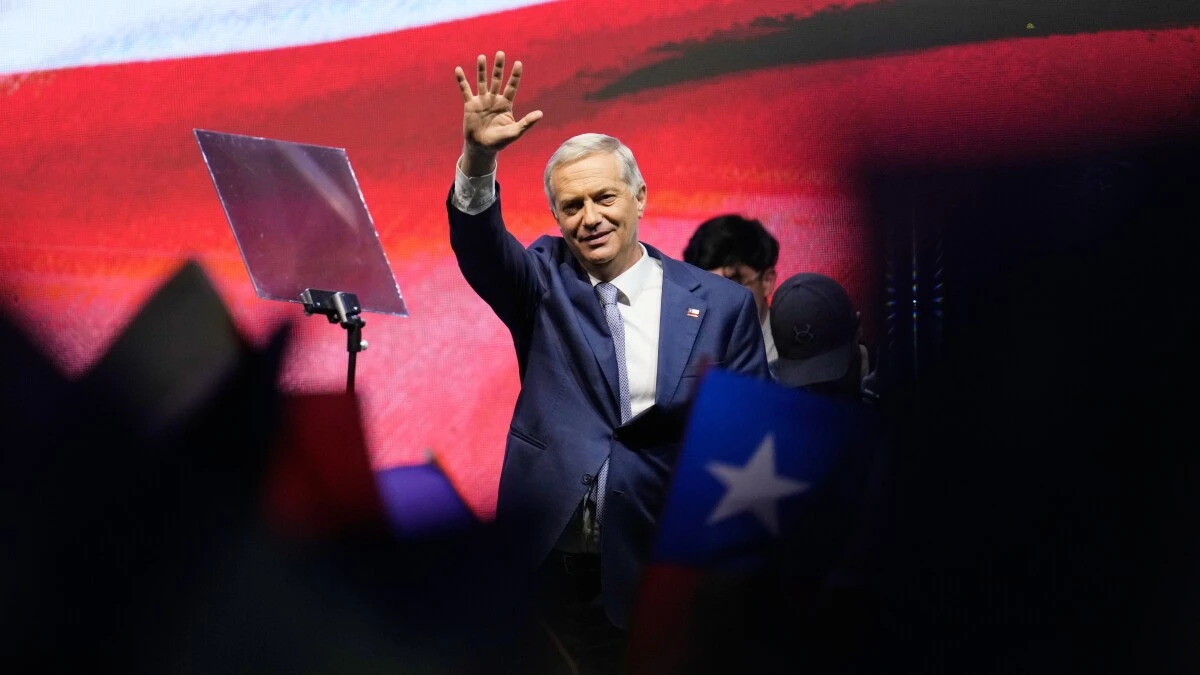
The planned event is Kast’s visit to Bolivia on Friday 16 October 2026. Paz and Kast are the two presidents involved. Their governments describe the meeting as a signal of interest in deeper dialogue, greater trust and practical cooperation between neighbouring countries. The visit is expected to address prosperity, security and citizen welfare. It may also cover trade, cooperation against drug trafficking and organised crime, and a dispute over Bolivian timber exports. Paz previously mentioned 14 and 15 October, but the foreign ministries later confirmed 16 October. The host city and complete programme remain unknown. No agreement has been announced, and the statement does not mention sea access or restored ambassadors. The visit follows several 2026 contacts, including a presidential meeting at the Mercosur summit and talks on modernising the ACE-22 trade agreement.
Based on reporting by Brazil Rio Times
What is planned for 16 October 2026, and which two presidents will take part?
The planned event is Kast’s visit to Bolivia on Friday 16 October 2026. Paz and Kast are the two presidents involved. Their governments describe the meeting as a signal of interest in deeper dialogue, greater trust and practical cooperation between neighbouring countries.
The visit is expected to address prosperity, security and citizen welfare. It may also cover trade, cooperation against drug trafficking and organised crime, and a dispute over Bolivian timber exports. Paz previously mentioned 14 and 15 October, but the foreign ministries later confirmed 16 October.
The host city and complete programme remain unknown. No agreement has been announced, and the statement does not mention sea access or restored ambassadors. The visit follows several 2026 contacts, including a presidential meeting at the Mercosur summit and talks on modernising the ACE-22 trade agreement.
Why is a visit between Chile and Bolivia significant when the two countries have had no ambassadors in each other’s capitals for decades?
Ambassadors normally maintain regular political communication between countries. Chile and Bolivia have instead had no ambassadors in each other’s capitals for decades, making a presidential visit a rare high-level channel. Both governments call it a clear signal that they want deeper dialogue and stronger trust.
The meeting builds on several contacts in 2026. Paz attended Kast’s inauguration in March. Their foreign ministers met at the Chungará-Tambo Quemado border crossing in April and agreed to negotiate a modernised trade agreement called ACE-22. The presidents also met at the Mercosur summit on 30 June.
The visit could improve practical cooperation without solving every dispute. The countries still face tensions over Bolivia’s sea-access claim and timber shipments. The article says it is unknown whether ambassadors will return, and no agreement has yet been announced.
What historical dispute, including Bolivia’s demand for sovereign access to the sea, has kept relations between Chile and Bolivia tense?
The central historical dispute concerns Bolivia’s demand for sovereign access to the sea. The article does not detail the nineteenth-century conflict behind that claim, but established history links it to the War of the Pacific, after which Bolivia lost its coastline. The issue has kept relations with Chile tense.
Bolivia took the demand to the International Court of Justice in 2013. It asked the court to require Chile to negotiate sovereign access. In 2018, the court ruled that Chile had not undertaken a legal obligation to negotiate. That decision did not remove the political sensitivity of the issue.
The coming visit does not appear designed to settle the sea-access dispute. The joint statement does not list sea access among its topics. Instead, it emphasises dialogue, trust, trade, security and citizen welfare. Whether the meeting changes the broader relationship remains unknown.
What is a “puerto seco,” and how could an inland cargo terminal help Bolivia’s trade?
A “puerto seco,” or dry port, is an inland cargo terminal. It handles goods away from the coast and can serve as a transfer point for imports and exports. In this case, it matters because Bolivia is landlocked and wants stronger commercial links around Oruro and Potosí.
Paz identified a dry port as a possible investment point during earlier plans for Kast’s visit. The two regions were described as entry and exit gateways for Bolivian trade. An inland terminal could concentrate cargo handling and connect shipments with roads, borders or other transport routes.
The article does not provide a design, location or financing plan. It also does not say that a dry port has been approved. The broader visit may support trade discussions, including negotiations to modernise ACE-22, but the terminal remains a possible investment rather than a confirmed project.
How significant are Chile’s Atacama lithium reserves and Bolivia’s Uyuni lithium resources in the global battery-materials market?
Chile’s Atacama and Bolivia’s Uyuni salt flat contain some of the world’s largest lithium reserves, according to the article. That makes both countries important in the global battery-materials market. The text does not provide exact quantities or a formal ranking, so their precise market share cannot be determined here.
Lithium is a key material followed by investors because it is used in rechargeable batteries. Chile and Bolivia could therefore gain attention if better trade links make production, transport or commercial cooperation easier. The article connects this possibility to US investors watching battery metals.
The visit will not automatically create a lithium agreement. Its announced themes are prosperity, security and citizen welfare, while the full programme remains unpublished. Any effect on mining, processing or investment depends on future agreements and the countries’ ability to manage their wider political and trade disputes.
How could stronger cooperation affect trade, border security, drug-trafficking investigations, and investment between the two countries?
Stronger cooperation could connect trade, security and investment. The governments say the visit will address prosperity, security and citizen welfare. Better political communication could help them discuss border logistics, commercial links and cooperation against drug trafficking and organised crime.
The need is concrete. A Chilean prosecutor alleged that more than 100 tonnes of drugs were hidden in Bolivian timber. Bolivia says Chilean and Brazilian laboratory tests found none, and it protested Chile’s destruction of cargoes in September. The dispute shows why joint investigations and trusted evidence could matter.
Possible benefits are not guaranteed. The article says it is unclear how the timber dispute will be settled, and no new agreement has been announced. Better trade links could attract US investors interested in lithium and battery metals, but investment and border-security gains depend on future decisions.
What is lithium, and why is it important for rechargeable batteries, electric vehicles, and modern energy systems?
Lithium is a naturally occurring chemical element and a major battery material. In rechargeable cells, lithium ions move between electrodes during charging and use. This enables batteries that can store electrical energy and release it repeatedly. The article identifies large lithium reserves in Chile’s Atacama and Bolivia’s Uyuni.
That battery role connects lithium to electric vehicles, portable electronics and energy-storage systems. Batteries help electric vehicles operate and can store electricity for later use. The article specifically links the two countries’ resources to battery metals and says stronger trade could interest US investors.
The article does not provide technical details, production volumes or a forecast for either country. It also does not announce a lithium deal during the presidential visit. Any wider impact depends on trade links, investment decisions and future cooperation between Chile and Bolivia.
Key Facts:
📌 José Antonio Kast will visit Bolivia on Friday 16 October 2026.
📌 Bolivian President Rodrigo Paz will host the visit.
📌 The host city and full programme remain unpublished.
📌 Chile and Bolivia have lacked ambassadors in each other’s capitals for decades.
📌 Both countries maintain consulates general instead.
📌 The governments call the visit a signal of deeper dialogue.
📌 Bolivia filed its sea-access case at the International Court of Justice in 2013.