News · International Relations
Türkiye condemns Houthi attacks on Saudi airports, urges restraint
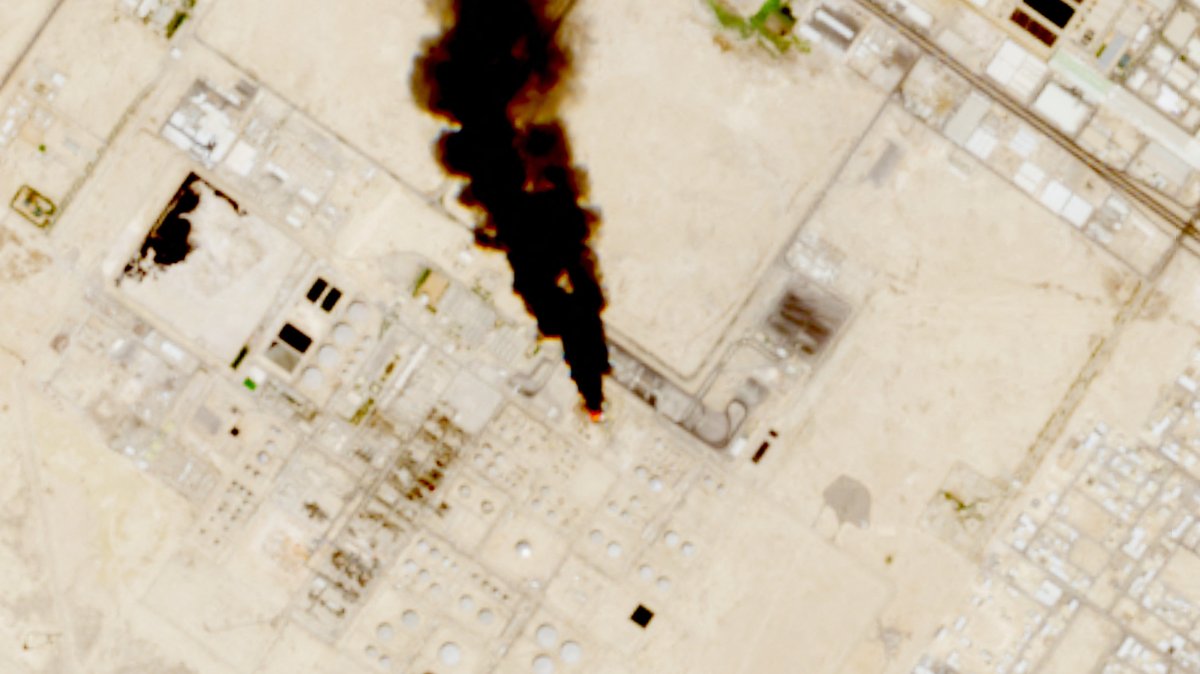
The attacks targeted two major Saudi airports: Abha International Airport in southern Saudi Arabia and King Khalid International Airport in Riyadh. Türkiye condemned the strikes because they affected civilian locations and critical infrastructure. The attacks matter because airports serve the public and connect cities, people, and essential services. The article does not provide details about the weapons, damage, or exact timing of the strikes. It does state that the attacks resulted in civilian deaths and injuries. Türkiye’s Foreign Ministry offered condolences to the victims’ families and wished the injured a speedy recovery. Presidential Communications Director Burhanettin Duran also condemned the attacks. Ankara warned that continued attacks could intensify regional tensions and destabilize the region further. Türkiye called for the strikes to stop immediately and urged Saudi Arabia’s disputes to be handled through dialogue and diplomacy. The response shows that the attacks had consequences beyond the airports themselves, affecting regional security and political relations.
Based on reporting by Daily Sabah Turkey
What happened at Abha International Airport and King Khalid International Airport?
The attacks targeted two major Saudi airports: Abha International Airport in southern Saudi Arabia and King Khalid International Airport in Riyadh. Türkiye condemned the strikes because they affected civilian locations and critical infrastructure. The attacks matter because airports serve the public and connect cities, people, and essential services.
The article does not provide details about the weapons, damage, or exact timing of the strikes. It does state that the attacks resulted in civilian deaths and injuries. Türkiye’s Foreign Ministry offered condolences to the victims’ families and wished the injured a speedy recovery. Presidential Communications Director Burhanettin Duran also condemned the attacks.
Ankara warned that continued attacks could intensify regional tensions and destabilize the region further. Türkiye called for the strikes to stop immediately and urged Saudi Arabia’s disputes to be handled through dialogue and diplomacy. The response shows that the attacks had consequences beyond the airports themselves, affecting regional security and political relations.
How many Saudi airports were targeted in the attacks?
The attacks targeted two Saudi airports, making the incident broader than a strike on a single facility. The airports were Abha International Airport in southern Saudi Arabia and King Khalid International Airport in Riyadh. Their locations show that the attacks affected both a southern airport and the capital’s main international airport.
The number matters because attacks on multiple major airports can create wider security concerns than an isolated incident. Airports are civilian facilities and critical infrastructure. The article reports that the strikes caused civilian deaths and injuries, though it does not state how many people were killed, how many were injured, or how much physical damage occurred.
Türkiye responded by condemning the attacks and expressing solidarity with Saudi Arabia. Its Foreign Ministry called for an immediate end to attacks on civilians and infrastructure. Ankara also warned that continued violence could further destabilize the region and urged disputes to be resolved through dialogue and diplomacy.
What is the Houthi movement, and where is it based?
The Houthi movement, also known as Ansar Allah, is a Zaydi Shia political and armed movement based mainly in northern Yemen. It emerged from a religious and political revival movement among Zaydi communities and later became a major power in Yemen’s conflict. This background is established knowledge beyond the supplied article.
The article identifies Houthi forces as responsible for attacks on Abha International Airport and King Khalid International Airport. It does not explain the movement’s leadership, military structure, political program, or precise operating locations. It focuses instead on Türkiye’s condemnation and the reported civilian consequences of the strikes.
The movement’s involvement links the airport attacks to Yemen’s broader conflict and to wider regional tensions. Türkiye said attacks on civilians and infrastructure must stop and urged dialogue and diplomacy. Because the article gives no detailed account of Houthi motives or demands, those details should not be inferred from the text.
Why are airports considered critical infrastructure, and what can happen when they are attacked?
Airports are critical infrastructure because they connect cities and countries, support civilian travel, and help move people and goods. Damage or danger at an airport can interrupt transportation and affect many people beyond those present at the site. Attacks also raise concerns because airports are used by civilians.
In this case, Abha International Airport and King Khalid International Airport were targeted. The article states that the attacks caused civilian deaths and injuries. It does not provide details about flight cancellations, structural damage, or the weapons used. The key mechanism is direct harm to civilians combined with disruption or threat to an essential public facility.
Türkiye warned that attacks on civilians and infrastructure could further escalate tensions and destabilize the region. That means the consequences may extend beyond immediate casualties. Continued strikes can deepen fear, increase political pressure, and make peaceful dispute resolution harder. Ankara therefore called for an immediate end to such attacks and urged dialogue and diplomacy.
Why does Türkiye describe itself as standing in solidarity with Saudi Arabia?
Türkiye describes its position as solidarity with Saudi Arabia because the attacks targeted civilians and critical infrastructure. The Foreign Ministry condemned the strikes, offered condolences to victims’ families, and wished injured people a speedy recovery. Ankara presented the attacks as a threat to regional peace and stability.
The immediate example is Türkiye’s response to strikes on Abha International Airport and King Khalid International Airport. Presidential Communications Director Burhanettin Duran separately called the attacks unacceptable and said they threatened regional peace. The mechanism behind Türkiye’s support is both humanitarian concern for victims and opposition to attacks that can widen conflict.
Türkiye also connected solidarity with diplomacy. Its Foreign Ministry called for an immediate end to attacks and urged existing disputes to be resolved through dialogue and diplomacy. Duran said Türkiye remains committed, under President Recep Tayyip Erdoğan’s leadership, to preventing new conflicts and promoting diplomatic solutions. The article presents Ankara’s stance as support for Saudi Arabia and de-escalation.
How is the conflict involving the Houthis connected to the wider war and regional rivalry surrounding Yemen?
The Houthi conflict is connected to Yemen’s wider war because the movement became a major armed and political force during Yemen’s internal struggle. Saudi Arabia intervened in support of Yemen’s internationally recognized government, while Iran has been widely described as backing the Houthis. This created a broader regional rivalry alongside Yemen’s domestic conflict.
The airport strikes illustrate how Yemen’s war can reach beyond Yemen’s borders. Houthi attacks on Saudi facilities, including Abha International Airport and King Khalid International Airport, expose civilians and critical infrastructure to the conflict’s effects. The supplied article confirms the targets and civilian casualties but does not describe the war’s timeline, alliances, or Iran’s role.
Türkiye’s reaction focuses on preventing further escalation. Ankara condemned the attacks, expressed solidarity with Saudi Arabia, and urged disputes to be resolved through dialogue and diplomacy. The wider implication is that violence connected to Yemen can increase regional tension, while diplomatic efforts could reduce the risk of a broader confrontation.
Under international humanitarian law, how are civilian sites distinguished from military targets, and why does that distinction matter?
Under international humanitarian law, civilian sites are protected unless they qualify as military objectives. A military objective must make an effective contribution to military action, and attacking it must offer a definite military advantage. Civilian airports normally receive protection when they are used for civilian purposes. These legal principles come from established law beyond the supplied article.
The distinction matters because it guides who and what may lawfully be attacked. An attack directed at civilians or civilian infrastructure is prohibited, and parties must take precautions to limit civilian harm. The article describes Abha International Airport and King Khalid International Airport as major airports and reports civilian deaths and injuries, but it does not determine their legal status during the strikes.
Türkiye’s condemnation reflects the concern that attacks on civilians and infrastructure can violate basic protections and worsen instability. The Foreign Ministry called for such attacks to cease immediately. Any legal conclusion would require facts not provided here, including whether either airport was being used for military purposes, the attackers’ intent, and the precautions taken.
Key Facts:
📌 Abha International Airport was targeted in southern Saudi Arabia.
📌 King Khalid International Airport was targeted in Riyadh.
📌 The attacks caused civilian deaths and injuries.
📌 Exactly two Saudi airports were targeted.
📌 The airports were in southern Saudi Arabia and Riyadh.
📌 Türkiye warned that the attacks could deepen regional instability.
📌 The Houthis are also known as Ansar Allah.