News · Health & Medicine
Budget 2027: Health minister vows to complete 9,000 contract-to-permanent doctor transitions
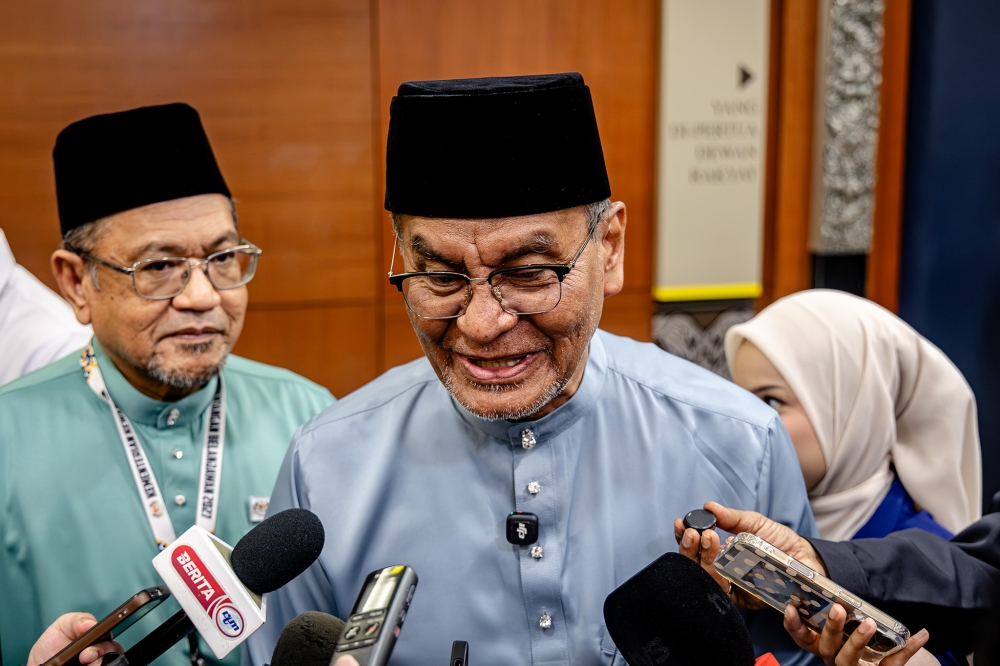
The Health Ministry has promised to complete the appointment of 9,000 contract doctors to permanent government positions throughout 2027. This would effectively end Malaysia’s interim contract-doctor system. The move matters because it gives the ministry a clear deadline for resolving a long-running staffing arrangement and strengthens the public healthcare workforce. Health Minister Datuk Seri Dr Dzulkefly Ahmad said the ministry would use a different management approach to speed up appointments. It would still consider required qualifications and the different recruitment groups, or cohorts, of doctors. Prime Minister Datuk Seri Anwar Ibrahim separately announced that more than 9,000 contract doctors would be offered permanent positions next year. The ministry says the process will be handled with some management changes and a more innovative approach. Dzulkefly said the plan would help address healthcare workforce challenges, especially this year. The broader outcome depends on completing the appointments and matching doctors to service needs, including remote areas.
Based on reporting by Malay Mail Malaysia
What exactly did Malaysia’s Health Ministry promise to complete in 2027?
The Health Ministry has promised to complete the appointment of 9,000 contract doctors to permanent government positions throughout 2027. This would effectively end Malaysia’s interim contract-doctor system. The move matters because it gives the ministry a clear deadline for resolving a long-running staffing arrangement and strengthens the public healthcare workforce.
Health Minister Datuk Seri Dr Dzulkefly Ahmad said the ministry would use a different management approach to speed up appointments. It would still consider required qualifications and the different recruitment groups, or cohorts, of doctors. Prime Minister Datuk Seri Anwar Ibrahim separately announced that more than 9,000 contract doctors would be offered permanent positions next year.
The ministry says the process will be handled with some management changes and a more innovative approach. Dzulkefly said the plan would help address healthcare workforce challenges, especially this year. The broader outcome depends on completing the appointments and matching doctors to service needs, including remote areas.
What is the difference between a contract doctor and a doctor with a permanent government position?
A contract doctor is employed by the government for a specified period under agreed contract terms. A doctor with a permanent government position holds an ongoing post in the public service, subject to the government’s employment rules. The article does not spell out every difference, such as benefits or promotion rules, so those details should not be assumed from this report alone.
The key mechanism is status conversion. Malaysia’s Health Ministry plans to appoint 9,000 contract doctors to permanent positions throughout 2027. That means doctors already working under interim contracts would be moved into permanent government posts after meeting the required conditions and being considered within their recruitment cohorts.
This distinction matters for workforce planning. Contract appointments can provide doctors for immediate service needs, while permanent posts create a longer-term staffing structure. The ministry describes the conversion as a way to strengthen healthcare capacity and end the interim contract-doctor system by 2027.
How large is this initiative, and how does it compare with the more than 15,000 contract doctors appointed permanently since 2023?
The initiative is large: more than 9,000 contract doctors are due to receive permanent positions next year, with the process completed throughout 2027. Compared with the more than 15,000 contract doctors already appointed permanently since 2023, the new group equals roughly three-fifths of that earlier total. These figures show a continuing, substantial shift from contract to permanent employment.
The comparison has two parts. Since 2023, the Madani Government has appointed more than 15,000 contract doctors permanently. Of that number, 4,000 were appointed this year. The planned 9,000-plus appointments would therefore be a major additional round, rather than merely a small final adjustment.
The figures describe appointment volumes, not the final number of doctors in Malaysia’s health system. They also do not establish how many doctors each hospital or region will receive. Still, completing the planned appointments would significantly expand the number of doctors moved into permanent government posts and advance the ministry’s stated goal of ending the interim system.
How could making these 9,000 appointments affect Malaysia’s shortage of doctors and pressure on public hospitals?
Making 9,000 appointments could improve Malaysia’s healthcare workforce by placing more doctors in stable government roles. That matters because the Health Ministry is facing workforce challenges and public facilities must meet patient demand. Permanent appointments may also help the ministry plan staffing more consistently, although the article does not quantify the national doctor shortage or promise that the shortage will disappear.
The concrete mechanism is straightforward: contract doctors already working in the public system would receive permanent positions. The ministry could then manage recruitment groups and service needs through a longer-term staffing structure. Dzulkefly described the initiative as a positive step that could help address healthcare workforce challenges, particularly this year.
The effect on hospital pressure will depend on how doctors are deployed and whether other staffing needs are also addressed. Budget 2027 provides RM47.7 billion for the ministry, including operating and development funds. The ministry is also increasing incentives for nurses, paramedics and air-health services, suggesting that workforce pressure involves more than doctors alone.
How has Malaysia’s policy for contract doctors changed since 2023, including the promise of permanent posts for doctors who complete housemanship in the future?
Malaysia’s policy has shifted from relying on interim contracts toward offering more doctors permanent government careers. Since 2023, the Madani Government has appointed more than 15,000 contract doctors permanently. The Health Ministry now plans to complete another major round of 9,000 appointments throughout 2027, effectively ending the interim contract-doctor system.
The policy also changes the expected pathway for new doctors. Prime Minister Datuk Seri Anwar Ibrahim said doctors who complete their housemanship in the future would be offered permanent posts as medical officers. Housemanship therefore becomes the point after which eligible future doctors can move into permanent medical-officer roles, rather than entering another interim contract arrangement described in the article.
This creates two tracks of change. Existing contract doctors are being converted in large cohorts, while future doctors who finish housemanship are promised permanent medical-officer positions. The ministry says it will use different management, explanations and approaches to speed appointments while still considering requirements and recruitment groups.
What is housemanship, and why is it an important step before a doctor becomes a medical officer?
Housemanship is a supervised period of practical medical training after a person completes medical school. During it, a new doctor gains experience caring for patients, working in clinical teams and applying medical knowledge under supervision. The article does not define housemanship in detail, so this explanation uses established medical practice rather than a definition supplied by the report.
It is an important step because medical knowledge must be tested in real healthcare settings before a doctor takes on a medical-officer role. Supervised rotations and assessments help build practical skills, professional judgment and familiarity with hospital systems. Completion shows that the doctor has passed the required training stage described by the relevant health authorities.
Malaysia’s policy gives this stage added significance. The prime minister said doctors who complete housemanship in the future would be offered permanent posts as medical officers. The article does not state the exact eligibility rules or timing, but the promise signals a move toward a more predictable permanent career pathway.
What does Universal Health Coverage mean, and why does it require investment in healthcare workers and services in remote areas such as Sabah and Sarawak?
Universal Health Coverage, or UHC, means people can access the health services they need without being pushed into financial hardship. It includes having services available, reachable and sufficiently staffed. This explanation uses the established meaning of UHC; the article specifically connects it with ensuring that no one is left behind.
For remote communities in Sabah and Sarawak, the mechanism is service delivery across difficult distances. Healthcare workers, facilities and transport must be available where people live. The Health Ministry says it will continue strengthening services in remote areas in line with UHC. It prefers leasing helicopters for air medical services because leasing is considered more cost-effective and avoids maintaining those assets.
Investment in workers and services therefore supports both access and continuity. Budget 2027 allocates RM47.7 billion to the ministry, including operating and development funds. The article also reports higher incentives for nurses and paramedics and continued efforts to strengthen remote delivery. Together, these measures support the ministry’s stated goal of leaving no one behind.
Key Facts:
📌 MoH will complete 9,000 permanent appointments throughout 2027.
📌 The plan is intended to end the interim contract-doctor system.
📌 Appointments will consider requirements and doctors’ recruitment cohorts.
📌 Contract doctors work under time-limited government arrangements.
📌 Permanent doctors hold ongoing government positions.
📌 The ministry plans to convert 9,000 contracts by 2027.
📌 More than 9,000 contract doctors are planned for permanent posts.