News · International Relations
Zelensky: Ukrainian negotiating team used as “smokescreen” amid US-Russia diesel deal
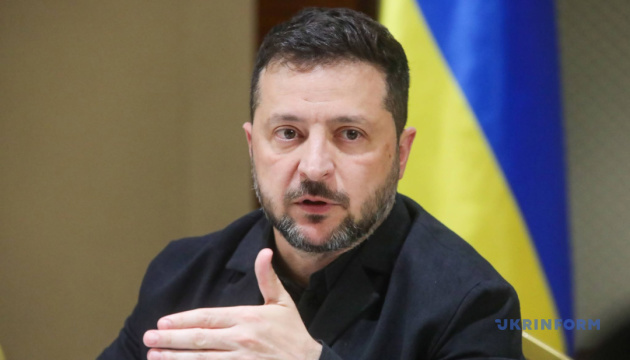
The reported agreement would let Russia supply 300,000 tons of diesel fuel to the global market. The article also says Russia could substantially increase its exports going forward. The United States reportedly approved this arrangement while American and Ukrainian officials were discussing ways to end the war or secure a ceasefire. The key mechanism is permission to sell fuel abroad. Export sales can bring income to the exporting country. Zelensky argues that Russia could use this additional money to support its military campaign. The article presents his criticism, rather than an independent assessment of the agreement’s financial effect. The reported decision occurred while Ukraine’s negotiating team was in Florida for a two-day visit. Zelensky viewed the timing as evidence that Ukraine’s talks were being overshadowed. The article does not describe the agreement’s duration, exact buyers, payment system, or other conditions. It says Russia would supply 300,000 tons and increase exports substantially.
Based on reporting by Ukrinform English
What diesel-export agreement did the United States reportedly approve for Russia?
The reported agreement would let Russia supply 300,000 tons of diesel fuel to the global market. The article also says Russia could substantially increase its exports going forward. The United States reportedly approved this arrangement while American and Ukrainian officials were discussing ways to end the war or secure a ceasefire.
The key mechanism is permission to sell fuel abroad. Export sales can bring income to the exporting country. Zelensky argues that Russia could use this additional money to support its military campaign. The article presents his criticism, rather than an independent assessment of the agreement’s financial effect.
The reported decision occurred while Ukraine’s negotiating team was in Florida for a two-day visit. Zelensky viewed the timing as evidence that Ukraine’s talks were being overshadowed. The article does not describe the agreement’s duration, exact buyers, payment system, or other conditions. It says Russia would supply 300,000 tons and increase exports substantially.
What does Zelensky mean by saying Ukraine’s negotiating team was used as a “smokescreen”?
By calling the Ukrainian team a “smokescreen,” Zelensky means he suspects its negotiations were being used to create an appearance of peace efforts while another decision was made. The alleged decision was U.S. approval for Russia to export diesel. He says this happened at the same time Ukraine’s team was speaking with the American team in Florida.
The idea depends on timing and contrast. Ukraine was discussing ending the war, or at least an energy ceasefire. Meanwhile, the U.S. President was speaking with the Kremlin leader and reportedly reached a diesel-export agreement. Zelensky interprets this sequence as a distraction from a policy that could give Russia more wartime revenue.
This is Zelensky’s characterization of events. The article does not provide evidence that the negotiating team was deliberately deployed for that purpose, nor does it give the American side’s explanation. It records his view that the conduct was unfair and unlike how partners should act.
How much fuel is 300,000 tons of diesel, and how large is that amount in the global fuel market?
Diesel density varies, so 300,000 metric tons converts approximately to 357 million liters, or about 94 million U.S. gallons. Another useful estimate is roughly 2.2 million barrels of diesel. These figures show that the reported shipment is physically substantial, even though it is not a dominant share of worldwide fuel use.
For scale, commonly cited global diesel and gasoil consumption is roughly 25 to 30 million barrels per day. Against that benchmark, 2.2 million barrels represents around two hours of global consumption, or under one-tenth of a day. The comparison is approximate because diesel markets differ from total fuel markets, and “global market” may mean trade rather than consumption.
The article itself gives only the 300,000-ton figure. It does not state a global-market percentage, shipment schedule, destination, or price. The reported additional exports could matter more through repeated cargoes and increased supply than through this single amount alone.
Who are the Ukrainian, American, and Russian actors involved, and what role does each play in the reported events?
The Ukrainian actor is Zelensky, identified in the article as Ukraine’s President. Ukraine’s negotiating team was in Florida for two days, speaking with the American team about ending the war or achieving a ceasefire. Their immediate diplomatic goal included discussing an energy ceasefire.
The American actors are the U.S. President and the American negotiating team. The article says the team met Ukraine’s representatives, while the President spoke with the Kremlin leader. The reported result was U.S. approval for Russia to export diesel to the global market.
The Russian actor is Vladimir Putin, whom Zelensky identifies as the Kremlin leader and the leader of the war and aggression. Russia is the fuel exporter. The article does not name the U.S. President, the American negotiators, or individual members of the Ukrainian team. It presents Zelensky’s account of their roles and the reported agreement.
What is an “energy ceasefire,” and why might stopping attacks on energy infrastructure be an early step toward a wider ceasefire?
An energy ceasefire is a limited agreement to stop attacks affecting energy infrastructure or energy supplies. The article does not formally define the term, but Zelensky presents it as a possible first step toward a wider ceasefire. Energy systems are closely tied to daily life, including heating, electricity, and basic services.
The mechanism is practical and measurable. If both sides stop striking energy sites, they can observe whether the other side follows through. Repairs and stable energy access could reduce immediate hardship for families. Regular communication about the arrangement could also establish limited cooperation, even while larger political disagreements remain unresolved.
In this case, Ukraine’s team was discussing an energy ceasefire with the American team in Florida. Zelensky called that prospect important for Ukrainian people and families. The article does not say that an energy ceasefire was agreed. It only presents it as a possible beginning to a broader ceasefire.
What could happen to Russia’s war effort and the global diesel market if Russia is allowed to export more fuel?
The main consequence identified in the article is financial. Zelensky argues that allowing Russia to export diesel would bring in millions or billions of dollars. In his view, that money would fuel Vladimir Putin and support more fighting against Ukraine and others. This is his stated assessment of the decision.
The market mechanism is straightforward: Russia sells diesel abroad, receives payment, and adds fuel to international supply. Repeated or larger exports could increase available diesel in global markets. More supply can affect prices and trade patterns, but the article provides no price forecast, buyer list, or estimate of Russia’s net earnings.
The current report says Russia would supply 300,000 tons and substantially increase exports afterward. The military effect therefore depends on the scale, duration, revenue, and use of those sales. The article does not establish how much money Russia would receive or whether the agreement would definitely change battlefield conditions.
How do sanctions and energy-trade permissions allow governments to restrict or restore a country’s ability to earn money from exports?
Sanctions are government restrictions designed to limit a country’s ability to trade, receive payments, use financial services, or access transport. Energy sanctions can reduce export sales and therefore pressure a government’s income. They may target the seller, buyers, banks, insurers, ships, or the specific product.
A government can restore an export channel by issuing a license, waiver, exemption, or formal approval. Buyers and service providers may then legally handle the permitted trade, subject to any conditions. In the reported case, U.S. approval would allow Russia to supply diesel to the global market, according to the article.
The practical result can be more export revenue and more fuel available internationally. The effect depends on how broad the permission is, how long it lasts, and whether companies are willing and able to trade. The article does not detail sanctions, exemptions, enforcement rules, or the agreement’s conditions. It only reports approval and expanded Russian exports.
Key Facts:
📌 Russia will reportedly supply 300,000 tons of diesel to the global market.
📌 The United States reportedly approved the diesel-export arrangement.
📌 Russia may substantially increase diesel exports going forward.
📌 Zelensky said Ukraine’s team was being used as a “smokescreen.”
📌 The Ukrainian team was negotiating with Americans in Florida.
📌 He linked the claim to a reported U.S.-Russia diesel agreement.
📌 The reported Russian supply totals 300,000 tons of diesel.