News · Economy & Business
Brazil Adds US$1.5 Billion to Fuel Subsidies
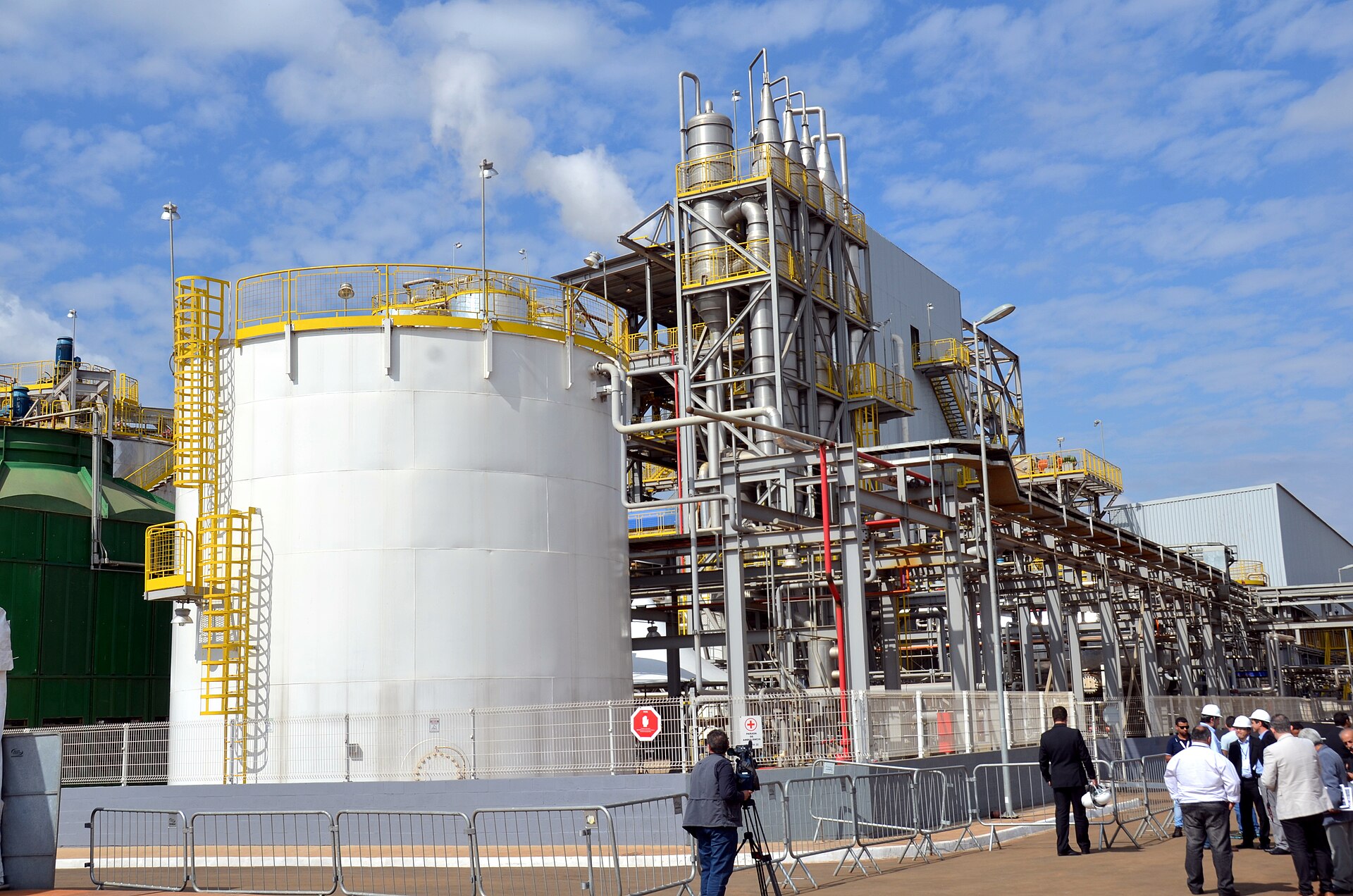
Brazil’s new extraordinary credit gives the government additional budget authority to continue paying fuel subsidies. President Luiz Inácio Lula da Silva issued the measure on 8 October 2026, and it was published the next day. The credit is intended to limit the effect of high international oil prices on fuel prices in Brazil. The full amount is R$7.52 billion, or about US$1.51 billion using the article’s exchange rate. R$6.17 billion is reserved for subsidies supporting road diesel production and imports. The remaining R$1.35 billion supports other oil products. The Ministry of Mines and Energy will use the funds. The measure continues subsidies created earlier in 2026 through two other provisional measures. Congress must later decide whether to convert this new measure into permanent law. The credit arrives days before Brazil’s presidential runoff, making fuel prices especially politically significant.
Based on reporting by Brazil Rio Times
What did Brazil’s new R$7.52 billion extraordinary credit authorize, and which government ministry will use it?
Brazil’s new extraordinary credit gives the government additional budget authority to continue paying fuel subsidies. President Luiz Inácio Lula da Silva issued the measure on 8 October 2026, and it was published the next day. The credit is intended to limit the effect of high international oil prices on fuel prices in Brazil.
The full amount is R$7.52 billion, or about US$1.51 billion using the article’s exchange rate. R$6.17 billion is reserved for subsidies supporting road diesel production and imports. The remaining R$1.35 billion supports other oil products.
The Ministry of Mines and Energy will use the funds. The measure continues subsidies created earlier in 2026 through two other provisional measures. Congress must later decide whether to convert this new measure into permanent law. The credit arrives days before Brazil’s presidential runoff, making fuel prices especially politically significant.
What is a provisional measure in Brazil, and why does Congress still need to approve it?
A provisional measure is an executive order that Brazil’s president can issue with immediate force of law. It allows the government to respond quickly to urgent or unforeseen circumstances without waiting for Congress to complete the normal lawmaking process. Provisional Measure 1.395 created the new fuel-subsidy credit.
Congress still has a role because the measure is temporary. Lawmakers must examine and vote on it within 120 days. If Congress converts it into law, the measure continues. If lawmakers do not approve it within that period, it lapses. The article does not say how Congress will treat this measure.
That process creates uncertainty around the subsidy’s future. The government can begin using the authorized credit under the measure, but lawmakers may amend, reject, or allow it to expire. The timing also matters because Brazil’s presidential runoff is scheduled for 25 October 2026, shortly after publication.
How large is the credit, and how is it divided between road diesel and other oil products?
Brazil’s extraordinary credit totals R$7.52 billion, equivalent to about US$1.51 billion at the exchange rate used in the article. It is extra budget authority for urgent and unforeseen spending. The credit continues payments under earlier fuel-subsidy measures.
Road diesel receives R$6.17 billion, or 82% of the total. This money supports production and imports of road diesel. The remaining R$1.35 billion, equal to 18%, is allocated to subsidies for other oil products. Both portions go through the Ministry of Mines and Energy.
The split shows that diesel is the government’s main priority in this package. The article does not state how much Brazil has already spent on fuel subsidies during 2026, so the new credit cannot be compared with the year’s complete subsidy bill. A separate September package had a different cost and should not be combined with this credit.
Why are diesel subsidies especially important for freight, food prices, and inflation across Brazil?
Diesel matters beyond the fuel station because road transport carries goods across Brazil’s large territory. When diesel becomes more expensive, freight operators face higher operating costs. Those costs can affect the prices charged to move food, supplies, and other products.
For example, a truck delivering food may pay more for fuel on every route. The transport company may then pass part of that increase to wholesalers, retailers, or consumers. A subsidy can reduce the fuel cost paid by eligible producers or importers, helping limit the immediate increase in diesel prices. The article identifies diesel’s effects on freight and food costs but does not quantify them.
That is why the new credit’s diesel-heavy design matters for inflation and supply chains. It may soften price pressure, but the article does not establish how much prices will fall or how long the effect will last. The subsidy’s eventual cost and congressional treatment remain uncertain.
Why is the Brazilian government subsidizing fuel after international oil prices rose?
Brazil began or continued fuel subsidies to contain the domestic impact of high international oil prices. The article links those higher prices to escalation in the Middle East. The government’s stated aim is to reduce the effect of rising fuel costs on the Brazilian market.
The new credit funds subsidies created earlier in 2026 for diesel and other oil derivatives. By directing money through the Ministry of Mines and Energy, the government can continue payments that support fuel production, imports, or related prices. Most of the new credit, R$6.17 billion, targets road diesel.
This policy is intended to soften price increases, not eliminate the underlying international pressure. A separate September package was reported at about R$7 billion per month, but it covered different measures and is not the cost of this credit. The article does not provide the total spent on subsidies so far this year or the policy’s full fiscal cost.
How do fuel subsidies reduce prices for consumers, and who ultimately pays for them?
Fuel subsidies reduce prices by covering part of the difference between a market-linked fuel cost and the lower price the government wants consumers or businesses to face. The article describes subsidies for road diesel production and imports, plus other oil products. Their purpose is to soften the effect of high international oil prices on Brazil’s market.
For example, if imported diesel becomes more expensive, a subsidy can provide money to support the importer or producer. That support can help prevent the full increase from reaching fuel buyers. The exact payment mechanism and the amount passed through to consumers are not explained in the article.
The subsidy is financed through public spending. In practical terms, that means the government budget bears the authorized cost, potentially affecting other spending or fiscal accounts. The article does not state who ultimately pays through taxes, borrowing, or reduced public services. It also says Treasury treatment under Brazil’s fiscal rule remains unknown.
Why can changes in global crude-oil prices affect fuel costs in Brazil even though Brazil is a major oil producer?
Global crude-oil prices can affect Brazil because fuel markets are connected across borders. Brazil may produce substantial oil, but fuel prices can still reflect the cost of crude, refining, transport, imports, and international market conditions. These links can transmit overseas price increases into domestic fuel costs.
For example, if international oil prices rise after a geopolitical shock, imported fuel may become more expensive. Domestic producers may also face higher opportunity costs when selling fuel at home instead of into international markets. The article specifically connects Brazil’s subsidy policy to high international oil prices and Middle East escalation, but it does not detail Petrobras’s pricing formula.
That exposure explains why the government created subsidies even though Brazil is a major oil producer. The new credit aims to cushion consumers and businesses from the international increase. The article does not say how long global prices will remain high, how much the subsidies will reduce prices, or whether the policy will continue after Congress reviews it.
Key Facts:
📌 The credit totals R$7.52 billion.
📌 The Ministry of Mines and Energy will use the funds.
📌 Most funding supports road diesel subsidies.
📌 A provisional measure has force of law immediately.
📌 Congress has 120 days to convert it into law.
📌 A measure lapses if Congress does not approve it.
📌 The total credit is R$7.52 billion.