News · Economy & Business
Department of War dishes out $1.5 billion loan commitment to boost semiconductor supply chain
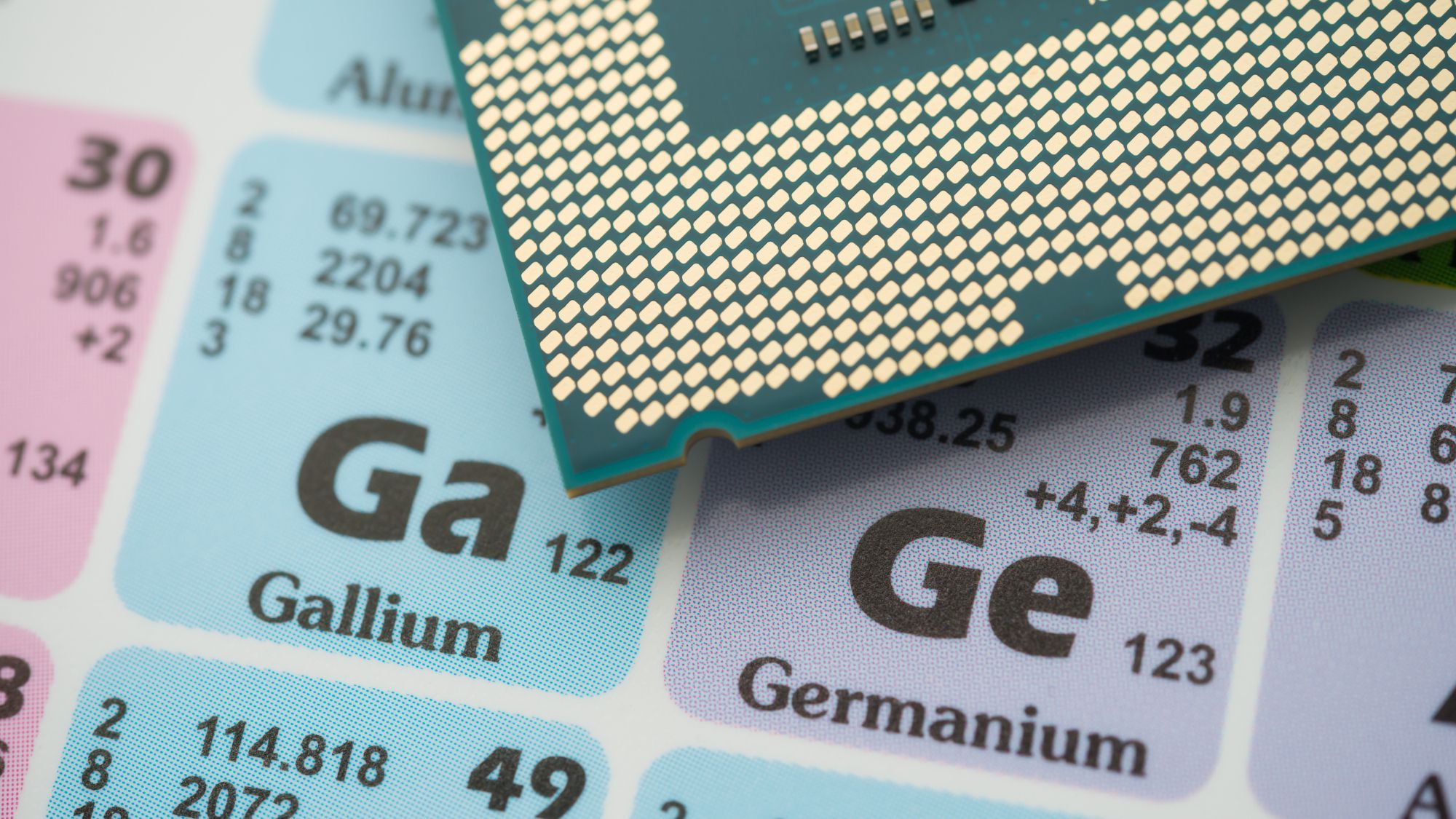
The Department of War, through its Office of Strategic Capital, offered Wolfspeed a long-term loan commitment worth up to $1.5 billion over 30 years. The money is intended to strengthen U.S. semiconductor capacity, especially Wolfspeed’s gallium nitride epitaxy and radiation-hardening work. That matters because the company supplies technologies used in defense, aerospace, communications, and other strategic markets. The commitment is conditional rather than final financing. Wolfspeed must complete negotiations and satisfy financial, legal, and investment conditions. It also must issue warrants allowing the government to buy up to 7.5% of its fully diluted equity. Funding would arrive in separate tranches, with warrants issued as each tranche is funded. The Office of Strategic Capital is still conducting due diligence. Wolfspeed also needs government approvals and appropriations, plus consent from its existing lenders. The company explicitly warns that the financing may not close. If approved, the long-dated capital could improve its financial flexibility and support its strategic upgrades.
Based on reporting by Toms Hardware
What exactly has Wolfspeed received from the Department of War, and why is the $1.5 billion commitment still conditional?
The Department of War, through its Office of Strategic Capital, offered Wolfspeed a long-term loan commitment worth up to $1.5 billion over 30 years. The money is intended to strengthen U.S. semiconductor capacity, especially Wolfspeed’s gallium nitride epitaxy and radiation-hardening work. That matters because the company supplies technologies used in defense, aerospace, communications, and other strategic markets.
The commitment is conditional rather than final financing. Wolfspeed must complete negotiations and satisfy financial, legal, and investment conditions. It also must issue warrants allowing the government to buy up to 7.5% of its fully diluted equity. Funding would arrive in separate tranches, with warrants issued as each tranche is funded.
The Office of Strategic Capital is still conducting due diligence. Wolfspeed also needs government approvals and appropriations, plus consent from its existing lenders. The company explicitly warns that the financing may not close. If approved, the long-dated capital could improve its financial flexibility and support its strategic upgrades.
What are silicon carbide (SiC), gallium nitride (GaN), and GaN epitaxy, and how are they used in electronic devices?
Silicon carbide, or SiC, and gallium nitride, or GaN, are compound semiconductor materials. They can be used to make devices that handle electrical power or high-frequency signals. The article links them to next-generation power and radio-frequency applications in defense, aerospace, artificial intelligence, communications, and critical infrastructure.
GaN epitaxy is the controlled growth of a high-quality gallium nitride crystal layer on a semiconductor wafer. That layer becomes part of a device’s structure. Manufacturers use such layers to create GaN power and radio-frequency components. Wolfspeed says it will use the proposed financing to upgrade its GaN epitaxy capabilities and develop radiation-hardening capabilities for current SiC and future GaN products.
In practical terms, SiC and GaN are materials platforms, not complete systems by themselves. They become useful when fabricated into semiconductor devices and integrated into equipment. The article identifies their importance across defense, aerospace, communications, electronic warfare, AI, and strategic commercial markets, but does not provide detailed device specifications.
How large is this financing in practical terms—how much is $1.5 billion spread across a 30-year commitment, and what does the 7.5% equity warrant represent?
Dividing the proposed $1.5 billion commitment by 30 years gives $50 million per year. That is only an average, not a promised annual payment schedule. The agreement would fund the company through tranches, so the timing and size of actual disbursements could differ. The long term is designed to provide capital over an extended period.
The warrant gives the Department of War the right to buy up to 7.5% of Wolfspeed’s fully diluted equity. “Fully diluted” means the calculation considers shares that could exist after options, warrants, or similar rights are exercised. The warrants would be priced using Wolfspeed’s volume-weighted average stock price, or VWAP, and issued in proportion to each loan tranche.
The financing is therefore not simply $1.5 billion for free. Wolfspeed would receive debt capital while granting a potential equity benefit to the government. The final economic effect depends on the definitive agreements, funding schedule, VWAP pricing, and whether the warrants are ultimately exercised.
What does it mean for the government to receive warrants to buy up to 7.5% of Wolfspeed, and how could that affect the company and its existing shareholders?
A warrant is a right to purchase shares later at an agreed pricing formula. Under the proposed deal, the Department of War could buy up to 7.5% of Wolfspeed’s fully diluted equity. The warrants would be priced using the stock’s volume-weighted average price and delivered as corresponding loan tranches are funded.
This structure gives the government a potential equity interest alongside its lending role. If warrants are exercised, Wolfspeed would issue shares and receive the exercise proceeds. The government could then own a larger portion of the company, while existing shareholders would own a smaller percentage of the enlarged share base. The warrant itself does not immediately transfer 7.5% of existing shares.
The actual effect remains uncertain because the financing is conditional and the final agreements have not been signed. The percentage may be a maximum, and outcomes depend on how much financing is funded, the VWAP-based prices, and whether the warrants are exercised. Wolfspeed also needs lender consent and government approvals.
Why do defense and aerospace systems need radiation-hardened semiconductors, and what roles could SiC and GaN play in communications and electronic warfare?
Defense and aerospace equipment may operate where radiation is a serious reliability concern. Radiation-hardening is the process of making semiconductor products better able to withstand that exposure and continue functioning. The article does not detail particular radiation environments, but Wolfspeed plans to develop hardened capabilities for current SiC and future GaN products.
The proposed financing connects those materials to national-security systems. Wolfspeed identifies communications infrastructure and electronic warfare systems as applications, while also naming defense and aerospace among its strategic markets. SiC and GaN devices can serve as the semiconductor building blocks for power and radio-frequency functions inside such equipment.
The company says these technologies are critical to next-generation applications. Its planned work could therefore expand U.S. capacity for specialized components used in military communications and electronic warfare. However, the loan remains conditional. The article does not specify particular weapons, platforms, radiation levels, or performance targets, so those details cannot be inferred from the announcement.
How does this loan fit with the CHIPS and Science Act, semiconductor subsidies, and the 25% Section 48D tax credit used to expand U.S. chip manufacturing?
The proposed loan fits a wider effort to move critical semiconductor production into the United States. The article describes a policy mix that includes direct capital subsidies, major tax incentives, and strict regulatory changes. The goal is to strengthen domestic manufacturing and the semiconductor supply chain rather than rely entirely on overseas production.
The CHIPS and Science Act is identified as a $54.2 billion U.S. government program. It has supported major fabrication facilities involving TSMC, Intel, GlobalFoundries, and Micron. Separately, the Section 48D Advanced Manufacturing Investment Credit provides a 25% tax credit. The article says that incentive has contributed to more than $827 billion in private-sector announcements.
Wolfspeed’s proposed financing extends that approach beyond traditional large fabrication plants. It would support specialized SiC and GaN capabilities, including epitaxy and radiation hardening. The commitment is not final, however. Due diligence, appropriations, approvals, lender consent, and definitive agreements remain necessary before it becomes effective.
What is a semiconductor supply chain, and why can producing critical chips inside the United States reduce national-security and economic risks?
A semiconductor supply chain is the connected process that provides materials, manufactures semiconductor devices, and places them into finished technologies. It includes specialized capabilities such as SiC and GaN production, GaN epitaxy, and radiation hardening. A disruption at any important step can affect the availability of systems that depend on those components.
The article links Wolfspeed’s technologies to defense, aerospace, AI, communications, electronic warfare, critical infrastructure, and strategic commercial markets. Its proposed upgrades would expand U.S. capabilities in GaN epitaxy and hardened SiC and GaN products. That gives domestic programs another source for specialized semiconductor materials and devices.
Producing critical chips inside the United States can reduce reliance on overseas supply and help protect national-security applications. It can also support domestic manufacturing and strategic industries. The broader U.S. effort includes the CHIPS and Science Act, Section 48D tax incentives, and this proposed long-term financing. The Wolfspeed commitment remains conditional, so its final impact is not yet certain.
Key Facts:
📌 $1.5 billion is a conditional 30-year loan commitment.
📌 The Office of Strategic Capital must complete due diligence.
📌 Existing lenders must consent before financing can proceed.
📌 SiC and GaN support power and radio-frequency applications.
📌 GaN epitaxy grows semiconductor layers used in GaN devices.
📌 Wolfspeed makes SiC and GaN materials and devices.
📌 $1.5 billion divided across 30 years equals a $50 million annual average.