News · Health & Medicine
Suspected measles cases kill nearly 1,000 as Bangladesh struggles to contain outbreak
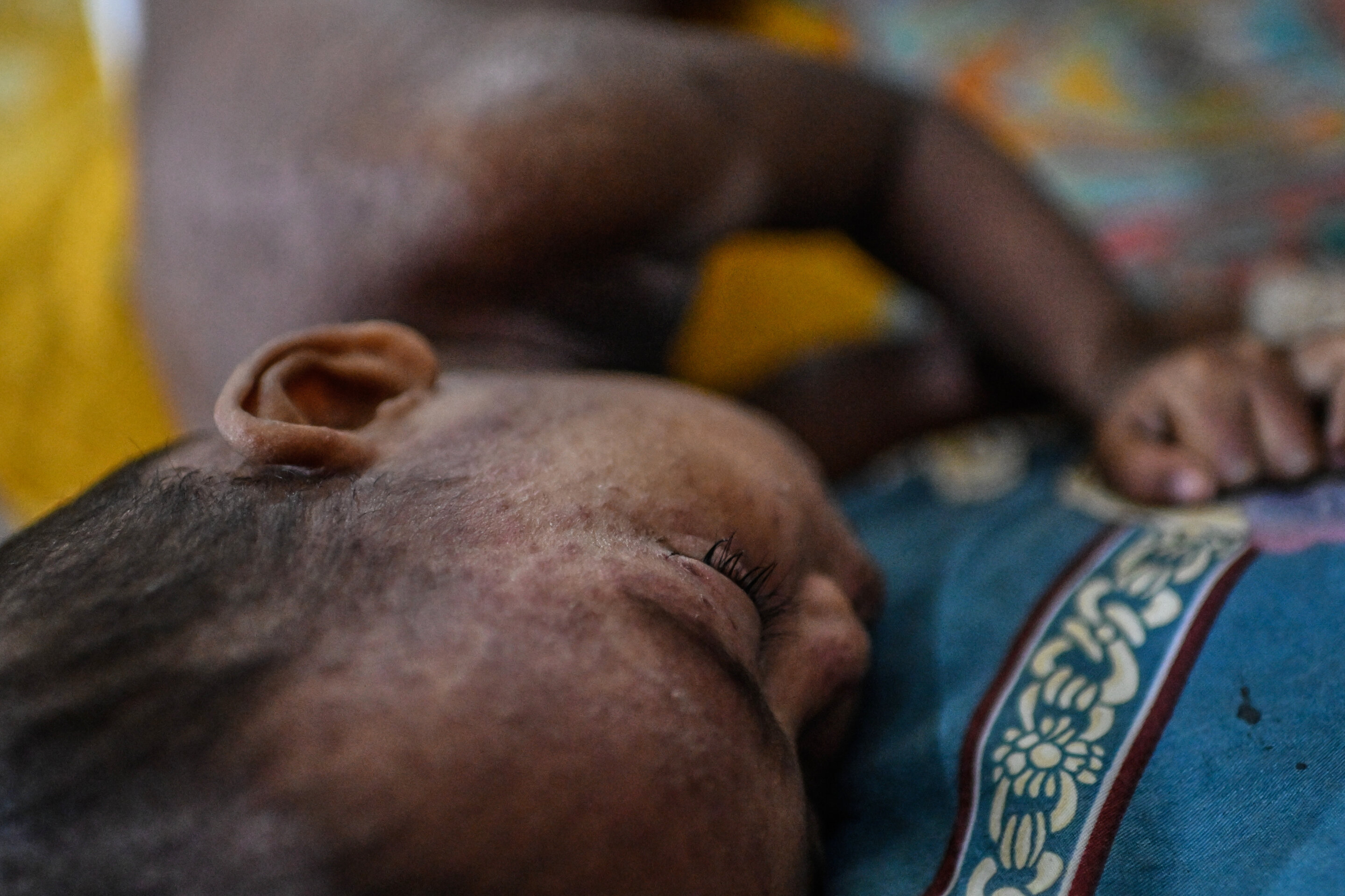
Measles is a viral infection that usually causes fever, cough, runny nose, sore eyes, and a widespread rash. It can become dangerous because the virus weakens the body and may lead to pneumonia, dehydration, or brain inflammation. Babies and poorly nourished children face greater risks. The article shows this danger through eight-month-old Rojatun Jannat Ramisa. She was struggling to breathe in a hospital in Bangladesh while her parents watched helplessly. Breathing trouble can signal a serious measles complication, especially pneumonia. Hospital care may be needed when children cannot breathe well, drink enough, or fight secondary infections. The outbreak has sickened thousands of children and killed hundreds, according to the article. Vaccination greatly reduces the chance of infection and severe illness. When vaccination programs weaken, more children become exposed, allowing measles to spread quickly through communities and endanger those least able to cope.
Based on reporting by Medical Xpress
What is measles, and why can it be dangerous for young children?
Measles is a viral infection that usually causes fever, cough, runny nose, sore eyes, and a widespread rash. It can become dangerous because the virus weakens the body and may lead to pneumonia, dehydration, or brain inflammation. Babies and poorly nourished children face greater risks.
The article shows this danger through eight-month-old Rojatun Jannat Ramisa. She was struggling to breathe in a hospital in Bangladesh while her parents watched helplessly. Breathing trouble can signal a serious measles complication, especially pneumonia. Hospital care may be needed when children cannot breathe well, drink enough, or fight secondary infections.
The outbreak has sickened thousands of children and killed hundreds, according to the article. Vaccination greatly reduces the chance of infection and severe illness. When vaccination programs weaken, more children become exposed, allowing measles to spread quickly through communities and endanger those least able to cope.
How large is the outbreak in Bangladesh, and how many people have died?
Bangladesh is facing a large measles outbreak that has sickened thousands of children. The article says hundreds of children have died. Those figures show a major public-health crisis, especially because measles is preventable through vaccination. The outbreak is affecting families and hospitals across the country.
One example is eight-month-old Rojatun Jannat Ramisa, who was struggling to breathe in a hospital in the capital. Her case represents the human cost behind the broader numbers. Many sick children require urgent care when measles causes severe breathing problems or other complications. Parents may be left helpless beside hospital beds.
The article does not provide an exact case count or death toll. It uses “thousands” for sick children and “hundreds” for deaths. Even without precise figures, the scale is clear. Continued vaccination efforts are important to stop transmission, prevent more severe cases, and reduce pressure on hospitals.
Which setbacks to Bangladesh’s vaccination program allowed measles cases to rise?
The article connects rising measles cases with setbacks to Bangladesh’s vaccination program. When fewer children receive routine doses or catch-up vaccinations, community protection falls. More people then remain susceptible, giving measles opportunities to spread. This matters because measles can move rapidly through groups with vaccination gaps.
The source does not name the specific setbacks. In general, vaccination programs can be weakened by missed appointments, interrupted outreach, supply problems, reduced access, or crises that keep families from clinics. Those are established ways vaccination coverage can fall, but the article does not confirm that any particular one caused this outbreak.
The current reality is a measles outbreak that has sickened thousands and killed hundreds of children. Restoring vaccination coverage would close immunity gaps and reduce transmission. It would also help protect infants and others who cannot yet receive full protection. The exact response should follow evidence about Bangladesh’s program.
How does measles spread from one person to another?
Measles spreads through the air and through respiratory droplets released by an infected person. Coughing, sneezing, and breathing can place the virus into shared air. A person without immunity may become infected after inhaling the virus. Measles is among the most contagious human diseases.
For example, an infected child can expose other children in a household, clinic, school, or crowded neighborhood. The virus may remain in indoor air for a period after the infected person leaves. Because many people can be exposed quickly, one case can lead to many more when vaccination coverage is low.
This mechanism helps explain Bangladesh’s outbreak after setbacks to its vaccination program. Thousands of children have become sick, and hundreds have died. Strong vaccination coverage interrupts chains of transmission. It makes it less likely that an infected person will find another susceptible person, slowing the outbreak and protecting vulnerable children.
What happens to children who become seriously ill with measles?
Children who become seriously ill with measles can develop complications that require urgent medical care. These may include pneumonia, dehydration, severe breathing difficulty, or inflammation of the brain. Measles also weakens the immune system, which can make other infections more dangerous. Severe illness can lead to death.
Rojatun Jannat Ramisa illustrates this outcome. At only eight months old, she was struggling to breathe in a hospital in Bangladesh’s capital. Her parents sat helplessly beside her. Her case shows how measles can move beyond a rash and fever into a medical emergency requiring close monitoring and treatment.
The article says the outbreak has sickened thousands of children and killed hundreds. Hospitals must care for children with the most serious symptoms while families face fear and loss. Preventing infection through vaccination is safer than relying on treatment after complications appear. Restoring vaccine protection could reduce severe cases and deaths.
Why are infants and other children with incomplete vaccinations especially vulnerable?
Infants and children with incomplete vaccinations are especially vulnerable because they may lack strong immunity against measles. Babies are also physically less able to cope with high fever, breathing problems, dehydration, and other complications. If many children remain unprotected, the virus has more people to infect.
The article describes eight-month-old Rojatun Jannat Ramisa struggling to breathe in a hospital. Her age highlights the danger for very young children during an outbreak. A child who has not received all recommended protection may become infected after contact with the virus. Severe illness can then develop quickly, particularly where nutrition or medical access is limited.
Bangladesh’s outbreak followed setbacks to its vaccine program. Thousands of children have become sick, and hundreds have died. Protecting infants requires restoring routine vaccination and reaching children who missed doses. High coverage also lowers community transmission, reducing the chances that vulnerable babies encounter measles in the first place.
How does widespread vaccination protect even people who cannot be vaccinated, such as very young infants?
Widespread vaccination protects individuals and communities. When most people are immune, measles has fewer susceptible hosts and transmission chains are more likely to stop. This community protection, often called herd immunity, helps people who cannot yet receive complete vaccination or who remain medically vulnerable.
A very young infant may not have finished the recommended vaccine series. If vaccinated children around that infant do not catch measles, they are less likely to bring the virus home or pass it through a clinic or neighborhood. The infant therefore has fewer opportunities for exposure, even without complete personal protection.
This protection is especially important during Bangladesh’s outbreak. The article says thousands of children have been sickened and hundreds have died after setbacks to the vaccine program. Rebuilding high vaccination coverage could slow spread, protect infants such as eight-month-old Rojatun Jannat Ramisa, and prevent future outbreaks from becoming so deadly.
Key Facts:
📌 Measles is a highly contagious viral disease.
📌 Severe measles can cause dangerous breathing problems.
📌 Babies face higher risks from measles complications.
📌 Thousands of children have been sickened.
📌 Hundreds of children have died.
📌 The outbreak is sweeping across Bangladesh.
📌 The article blames setbacks to the vaccine program.