News · Defence & Security
9/11 changed Afghanistan, but now it's back where it started
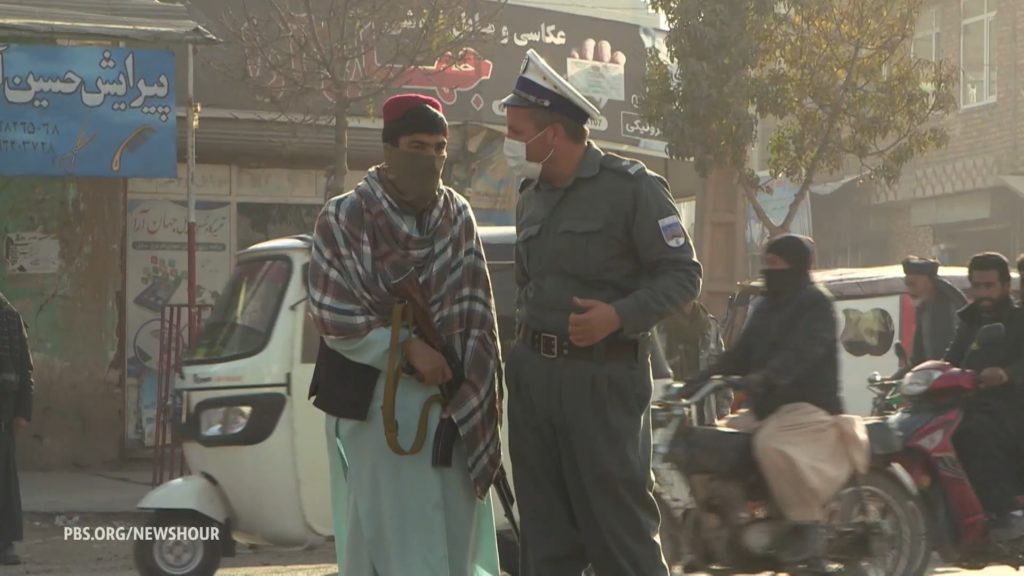
Afghanistan became central because the Taliban controlled much of the country and harbored the men who planned the September 11 attacks. The United States treated that protection as a direct threat, not simply as an internal Afghan problem. Afghanistan was already scarred by decades of war. The key mechanism was sanctuary. Al-Qaeda leaders could operate from Taliban-controlled Afghanistan, train recruits, and plan attacks with limited interference. After 9/11, the United States demanded that the Taliban surrender those leaders. When that did not happen, America and its allies invaded, removed the Taliban government, and began a much larger mission. That mission lasted more than 20 years and became known as “The American War” in Afghanistan. It began as a response to terrorism but expanded into counterinsurgency and state-building. The result was enormous human loss, with hundreds of thousands killed, mostly civilians. The war’s long aftermath shows why safe havens and failed political settlements can shape global conflicts.
Based on reporting by PBS NewsHour
Why did Afghanistan become the center of America's response to the 9/11 attacks?
Afghanistan became central because the Taliban controlled much of the country and harbored the men who planned the September 11 attacks. The United States treated that protection as a direct threat, not simply as an internal Afghan problem. Afghanistan was already scarred by decades of war.
The key mechanism was sanctuary. Al-Qaeda leaders could operate from Taliban-controlled Afghanistan, train recruits, and plan attacks with limited interference. After 9/11, the United States demanded that the Taliban surrender those leaders. When that did not happen, America and its allies invaded, removed the Taliban government, and began a much larger mission.
That mission lasted more than 20 years and became known as “The American War” in Afghanistan. It began as a response to terrorism but expanded into counterinsurgency and state-building. The result was enormous human loss, with hundreds of thousands killed, mostly civilians. The war’s long aftermath shows why safe havens and failed political settlements can shape global conflicts.
What is the Taliban, and what did it mean for the group to harbor the men who planned 9/11?
The Taliban is an Islamist political and armed movement that emerged in Afghanistan during the 1990s. It captured Kabul in 1996 and ruled much of the country until the United States and its allies removed it in 2001. The movement later rebuilt as an insurgency. Its leaders sought to restore Taliban rule.
To harbor the 9/11 planners meant providing refuge and protection to al-Qaeda leaders, including Osama bin Laden. It did not mean the Taliban necessarily organized every detail of the attacks. It meant the group allowed a dangerous foreign organization to maintain a base in Afghanistan despite international pressure. That sanctuary became the central dispute after 9/11.
The United States demanded that the Taliban hand over al-Qaeda’s leadership. The Taliban did not meet that demand, and the United States invaded Afghanistan. The Taliban then fought for years from rural areas and across porous borders. After the American withdrawal in 2021, it returned to national power, making the original sanctuary issue part of a longer cycle.
What does “back where it started” mean for Afghanistan after more than 20 years of American involvement?
“Back where it started” describes a striking political reversal. The United States invaded in 2001 to remove the Taliban, which had harbored al-Qaeda’s leadership. After more than two decades of fighting, training Afghan forces, and supporting new institutions, the Taliban again controlled Afghanistan. The war had ended near its original political outcome.
The reversal became clear in August 2021, when American and allied forces withdrew and the Taliban rapidly captured Kabul. Afghan government forces, despite years of foreign support, did not hold the country. The Taliban’s return was not identical to its first government, but it restored the movement as Afghanistan’s national authority. The key mechanism was the collapse of the previous security and political system.
The phrase does not mean nothing changed. Millions experienced new institutions, services, and social changes during the intervening years. Yet the return exposed the limits of military power without a durable political settlement. Afghanistan now remains under Taliban rule, while questions about rights, security, humanitarian aid, and international recognition continue.
How many people died during the American War in Afghanistan, and who suffered most?
The article gives the death toll in broad terms: hundreds of thousands of people died during more than 20 years of war. It also makes the most important qualification clear: most of the dead were civilians. That scale shows the conflict was not only a military contest between foreign forces, Afghan forces, and the Taliban. It was a national catastrophe for ordinary people.
Civilians were killed in airstrikes, ground fighting, roadside bombings, suicide attacks, raids, and other violence. Many also suffered injuries, displacement, destroyed homes, and lost livelihoods. Different organizations count deaths differently, so there is no single universally accepted total. Direct deaths also understate war’s wider effects, including disease, hunger, and broken services.
The civilian majority shapes how the war is remembered in Afghanistan. Three men who fought, interviewed for the article, offer personal windows into a conflict whose consequences reached far beyond combatants. The human cost will continue influencing Afghan politics, trust in foreign intervention, and debates over responsibility for the war’s aftermath.
Why did the United States and its allies remain in Afghanistan for roughly 20 years?
The initial purpose was to disrupt al-Qaeda and prevent Afghanistan from serving as a base for another major attack. After removing the Taliban government, the United States and its allies tried to prevent the movement from returning. They also supported a new Afghan government, army, police force, and public institutions. These wider goals kept the intervention going.
The Taliban survived by waging an insurgency rather than fighting foreign forces in equal, open battles. It used local networks, attacks, intimidation, and knowledge of difficult terrain. Foreign troops could win individual battles, but they could not easily create a trusted Afghan political order. As Afghan forces were trained, international troops remained to advise, fund, and support them.
The mission therefore became a cycle of renewed violence, troop surges, negotiations, and delayed exits. Leaders feared that a rapid withdrawal would let the Taliban regain power or allow terrorist groups to return. Yet the long presence also carried heavy costs, including the civilian deaths described in the article. The eventual withdrawal ended the foreign military commitment but not the political crisis.
What happened to Afghanistan after American and allied forces withdrew?
After American and allied forces withdrew in 2021, the Afghan government and security forces collapsed with surprising speed. The Taliban captured major cities and entered Kabul in August. The movement then reestablished itself as Afghanistan’s governing authority. The withdrawal ended the foreign military campaign, but it did not create a stable transition.
The key mechanism was the sudden loss of foreign air support, funding, logistics, and political backing. Afghan forces had been built with heavy dependence on that system. When it disappeared, many units surrendered, withdrew, or lacked the ability to coordinate. The Taliban combined battlefield pressure, local agreements, and political momentum to take control. Many Afghans fled, including people connected to the former government or foreign missions.
Since then, Afghanistan has faced economic isolation, reduced aid, and a serious humanitarian crisis. The Taliban has imposed severe restrictions on women and girls, including limits on education and employment. The country is less affected by foreign combat, but its future remains uncertain. Aid, rights, security, and international recognition remain central challenges.
What is an insurgency, and how can an armed movement survive a much stronger foreign military and eventually regain control of a country?
An insurgency is a sustained armed struggle by a non-state movement against a government or foreign occupier. Insurgents usually avoid trying to defeat a stronger army in open battle. Instead, they seek to outlast it, weaken its political support, and make governing costly. Their goal may be control of the state, greater autonomy, or a forced political settlement.
The Taliban used ambushes, roadside bombs, targeted attacks, intimidation, and local networks. It could retreat from areas, rebuild, and return later. Safe areas and cross-border access helped fighters survive, while corruption, civilian casualties, and weak government services created openings for recruitment. Foreign forces might win tactical victories, but every operation could also deepen local anger or dependence on outsiders.
An insurgency can therefore survive superior technology and firepower. Time matters because foreign governments face elections, casualties, expense, and changing priorities. If the local government lacks legitimacy or security forces depend heavily on outsiders, its authority may collapse when support is removed. The Taliban’s 2021 return demonstrates how endurance can eventually become political control.
Key Facts:
📌 The Taliban harbored the men who planned the 9/11 attacks.
📌 Afghanistan was already devastated by decades of war.
📌 America’s response lasted more than 20 years.
📌 The Taliban is an Afghan Islamist political and armed movement.
📌 It ruled most of Afghanistan before 2001.
📌 Harboring meant allowing al-Qaeda leaders refuge and operating space.
📌 The Taliban returned to power after the 2021 withdrawal.