News · Environment & Climate
For Climate-Vulnerable Countries, Debt Costs 25 Times More Than Climate Action
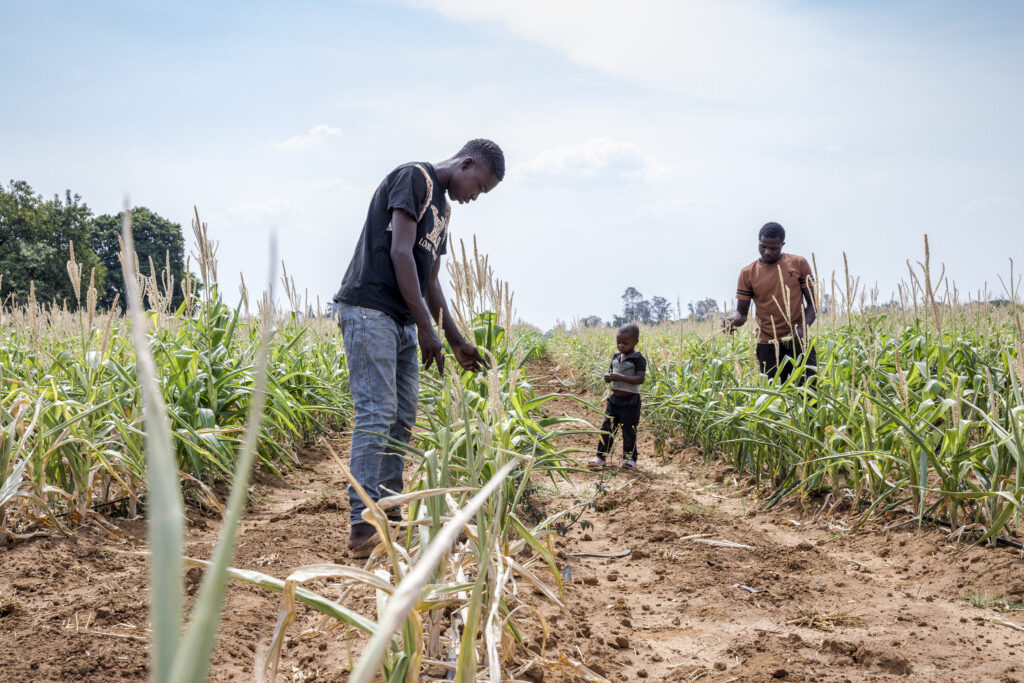
The report’s central finding is a striking mismatch: countries most exposed to climate change spend nearly 25 times more on debt repayments than on climate action. Debt repayments send public money to creditors, while climate action requires investment at home. This matters because vulnerable countries need resources to prepare for worsening risks and recover from damage. The comparison covers climate action broadly, including measures that reduce emissions and efforts that help communities withstand floods, storms, droughts, heat, and rising seas. When debt payments dominate budgets, governments have less room for these investments. The result can be weaker protection before disasters and slower recovery afterward. ActionAid’s report, “Debt Fuels the Climate Crisis: How the Finance Flows,” argues that the two crises are “supercharging each other.” Its finding points to a financial system in which countries facing the greatest climate risks may have the least public money available to respond. Debt relief and fairer climate finance could change that balance.
Based on reporting by Inside Climate News
What did the ActionAid report find about how much climate-vulnerable countries spend on debt repayments compared with climate action?
The report’s central finding is a striking mismatch: countries most exposed to climate change spend nearly 25 times more on debt repayments than on climate action. Debt repayments send public money to creditors, while climate action requires investment at home. This matters because vulnerable countries need resources to prepare for worsening risks and recover from damage.
The comparison covers climate action broadly, including measures that reduce emissions and efforts that help communities withstand floods, storms, droughts, heat, and rising seas. When debt payments dominate budgets, governments have less room for these investments. The result can be weaker protection before disasters and slower recovery afterward.
ActionAid’s report, “Debt Fuels the Climate Crisis: How the Finance Flows,” argues that the two crises are “supercharging each other.” Its finding points to a financial system in which countries facing the greatest climate risks may have the least public money available to respond. Debt relief and fairer climate finance could change that balance.
What does “climate-vulnerable countries” mean, and what kinds of climate action are being discussed?
“Climate-vulnerable countries” generally means countries that face serious exposure to climate hazards and have fewer resources to prepare, protect people, and recover. Vulnerability can reflect geography, poverty, weak infrastructure, dependence on climate-sensitive work, or limited public services. The article focuses on countries most vulnerable to climate change, rather than naming a single official group.
Climate action has two main parts. Mitigation reduces the causes of warming, through cleaner energy efficiency, and protecting forests. Adaptation reduces harm from impacts already occurring or expected, through flood defenses, drought planning, stronger buildings, water systems, early warnings, and climate-resilient agriculture.
These countries often need to do both at once. They must cut risks and emissions while protecting communities from damage already locked in by past warming. ActionAid’s finding matters because heavy debt repayments can leave less public money for either kind of climate action.
What is debt service, and why can it take up such a large share of a country's public money?
Debt service means paying the interest and principal due on government borrowing. Interest is the cost of using borrowed money. Principal is the original amount borrowed. These payments usually come before many new public investments because missing them can trigger default, financial penalties, or loss of access to future borrowing.
Debt service can become large when a country has borrowed heavily, faces high interest rates, or must repay loans over short periods. Currency movements can add pressure when debts are denominated in foreign money but government revenues are collected locally. Economic shocks, such as falling export earnings or disaster damage, can shrink the money available for payments.
That pressure creates a budget trade-off. Money used for creditors cannot also be used immediately for schools, health services, adaptation, or disaster planning. ActionAid reports that climate-vulnerable countries spend nearly 25 times more on debt repayments than climate action, illustrating the scale of that trade-off.
Why do climate-vulnerable countries often face higher borrowing costs than wealthier countries?
Wealthier countries often borrow more cheaply because lenders see them as better able to repay. They may have larger economies, stronger institutions, deeper financial markets, and currencies viewed as more stable. Their governments can also raise taxes or borrow domestically during difficult periods. These factors reduce the interest rate demanded by lenders.
Vulnerable countries may face smaller and less diversified economies, dependence on climate-sensitive exports, political uncertainty, or limited foreign-exchange reserves. A cyclone, drought, or flood can damage production and government revenues at the same time. Lenders therefore price in a greater chance of delayed payment or default. Higher rates then make each loan more expensive.
This creates an unfair financial burden. Countries needing money for resilience may have to borrow at the very moment risks make borrowing costly. The ActionAid finding shows the result: debt repayments vastly exceed climate-action spending in the countries most exposed to climate change.
What happens to climate adaptation and disaster preparedness when debt repayments consume money that could fund them?
Adaptation and preparedness require steady public investment before a disaster occurs. Governments may need to strengthen roads, hospitals, drainage, water systems, farms, and buildings. They also need early-warning networks, evacuation plans, emergency supplies, and trained responders. These investments reduce deaths, disruption, and repair costs, but their benefits often appear later.
If debt repayments take priority, governments may postpone or scale down such work. A drainage upgrade may be delayed. A warning system may remain incomplete. A school or clinic may not be built to withstand stronger storms. The country then enters the next crisis with weaker defenses and fewer resources to respond.
This is the budget pressure highlighted by ActionAid’s report. Climate-vulnerable countries spend nearly 25 times more on debt repayments than climate action. That gap can deepen inequality and increase future costs, because each disaster may destroy infrastructure that was never made resilient.
How can climate disasters make a country's debt problem worse, creating a cycle between climate damage and rising debt?
Climate disasters can worsen debt through several channels. They may destroy roads, farms, homes, businesses, and public facilities. Governments then face urgent repair and relief bills. At the same time, damaged economies may produce fewer exports, jobs, and tax payments. Revenue falls just as spending needs rise.
To close that gap, a government may borrow more. It may also lose access to affordable credit if lenders judge the economy riskier after the disaster. Existing debt can become harder to repay, especially when loans are in foreign currency. Interest costs and emergency borrowing then add to the public burden.
The cycle runs in both directions. High debt reduces money for adaptation and preparedness, leaving the country more exposed to the next shock. ActionAid describes this interaction as the climate and debt crises “supercharging each other.” Breaking it requires stronger resilience finance, grants, and suitable debt relief.
Who lends money to vulnerable countries, and how do interest rates, loans, grants, and debt relief affect the flow of climate finance?
Climate finance can come from several sources. Countries may receive loans from other governments, multilateral development banks, regional banks, commercial banks, or bond investors. They may also receive grants from governments, foundations, or international funds. Loans must be repaid, usually with interest. Grants do not create the same debt obligation.
The financing terms shape its value. A low-interest, long-term loan can support a project at a manageable cost. A high-interest loan may increase debt faster than the project helps public finances. Grants are especially important for adaptation, because flood defenses or early-warning systems may save lives without generating enough revenue to repay a loan. Debt relief can free existing budget money for climate action.
The article’s core concern is the flow of finance. Climate-vulnerable countries spend nearly 25 times more on debt repayments than climate action. That suggests finance is not reaching priorities on affordable enough terms. More grants, cheaper loans, and debt restructuring could direct resources toward resilience rather than repayments.
Key Facts:
📌 Climate-vulnerable countries spend nearly 25 times more on debt repayments.
📌 The comparison is between debt service and climate action spending.
📌 ActionAid says debt and climate crises reinforce each other.
📌 Climate vulnerability combines high climate exposure with limited response capacity.
📌 Mitigation tackles emissions and the causes of warming.
📌 Adaptation helps communities withstand climate impacts.
📌 Debt service includes interest payments and principal repayment.