News · Defence & Security
Head of Russian Military’s Patriot Park Arrested in Bribery Probe
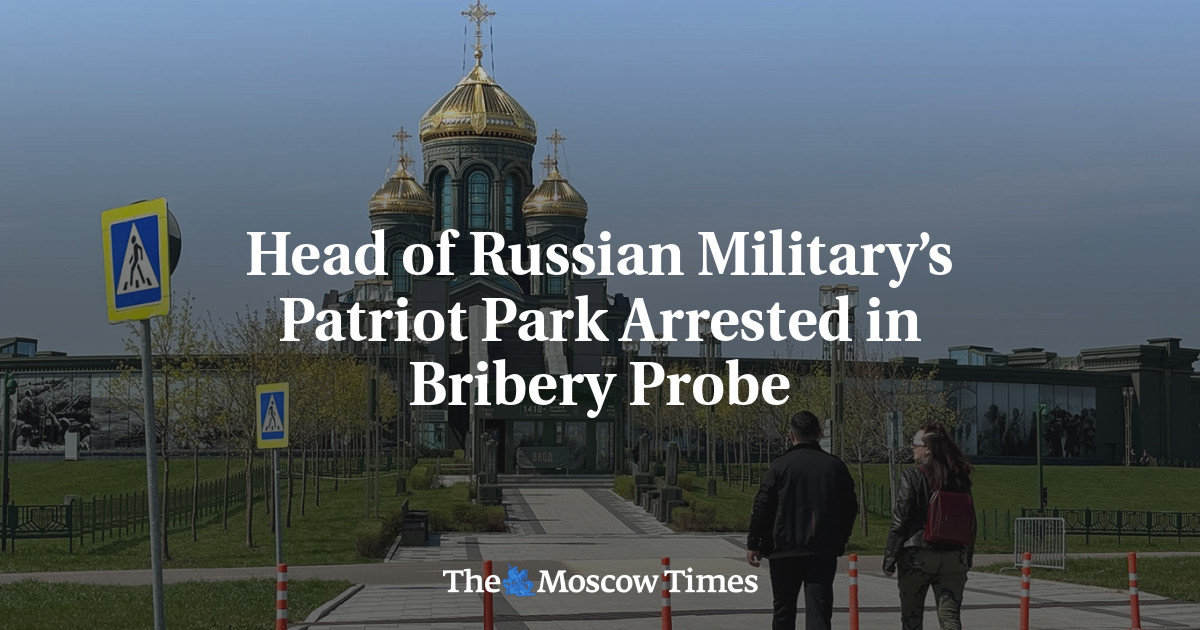
Igor Vasilyev is a Russian regional politician and administrator. He served as governor of the Kirov region from 2016 to 2022. In March this year, he became general director of Patriot Park, a military-themed complex. His detention places a senior park manager at the center of a widening corruption investigation. Investigators accuse Vasilyev of accepting 80 million rubles in bribes. Fontanka, the news website, valued that amount at about $931,000. The article does not describe the alleged transaction’s exact purpose or participants. Vasilyev has not been found guilty; the accusation remains a legal claim being examined by investigators and courts. A Moscow court is expected to decide whether he should remain in pre-trial detention. His arrest follows cases involving Patriot Park deputies and military supervisors. It also follows the conviction of his predecessor, Vyacheslav Akhmedov, for fraud linked to construction at the park. The investigation could therefore reveal whether these cases are connected, but the article does not establish a final conclusion.
Based on reporting by Moscow Times
Who is Igor Vasilyev, and what is he accused of doing?
Igor Vasilyev is a Russian regional politician and administrator. He served as governor of the Kirov region from 2016 to 2022. In March this year, he became general director of Patriot Park, a military-themed complex. His detention places a senior park manager at the center of a widening corruption investigation.
Investigators accuse Vasilyev of accepting 80 million rubles in bribes. Fontanka, the news website, valued that amount at about $931,000. The article does not describe the alleged transaction’s exact purpose or participants. Vasilyev has not been found guilty; the accusation remains a legal claim being examined by investigators and courts.
A Moscow court is expected to decide whether he should remain in pre-trial detention. His arrest follows cases involving Patriot Park deputies and military supervisors. It also follows the conviction of his predecessor, Vyacheslav Akhmedov, for fraud linked to construction at the park. The investigation could therefore reveal whether these cases are connected, but the article does not establish a final conclusion.
What is Patriot Park, and why was it created?
Patriot Park is a large military-themed public project connected to Russia’s Defense Ministry. Its purpose is to showcase Russian military hardware and strengthen national pride. In simple terms, it presents the armed forces, equipment, and military history as a public demonstration of national power.
The article calls Patriot Park a “pet project” of Russia’s military establishment. That description shows its symbolic importance beyond entertainment. The park is meant to connect military achievements with patriotism. Its construction and operation also involve contracts, managers, contractors, and Defense Ministry oversight, creating opportunities for both legitimate spending and alleged corruption.
The park now matters for another reason. Its director, two deputies, a supervising general, and a former director have all been implicated in related cases. The article identifies Vasilyev as at least the 12th defendant connected to Patriot Park investigations. These cases may affect confidence in a project designed to display military strength and national pride.
How large is the alleged 80 million-ruble bribe, and how many people have now been implicated in cases connected to Patriot Park?
The alleged bribe is 80 million rubles, which the article converts to approximately $931,000. That is a very large payment, especially because it is alleged to have gone to one official. The dollar figure is an approximate media conversion, so its exact value can change with exchange rates.
The investigation’s reported scale is also notable. Vasilyev is identified as at least the 12th defendant in cases surrounding Patriot Park. The article gives several examples: two deputies allegedly involved in a 100 million-ruble fake-contract scheme, Major General Sergei Nikitushkin’s bribery case, and former director Vyacheslav Akhmedov’s fraud conviction.
“At least 12th” means the article counts Vasilyev as the twelfth or later defendant, not necessarily the twelfth person detained. It also does not mean every case has produced a conviction. The reported number could change as investigators add defendants, separate cases, or clarify how the cases are legally connected.
What happens when a Russian court places a suspect in pre-trial detention, and does that mean the person has been found guilty?
When a Russian court orders pre-trial detention, the suspect is held while the criminal investigation and court process continue. Detention is a temporary procedural measure, not the punishment imposed after a final conviction. It can restrict liberty for reasons such as protecting the investigation or ensuring the suspect appears in court.
The court typically considers the allegations and the need for custody. Relevant concerns can include flight, pressure on witnesses, destruction of evidence, or continued criminal activity. The article says a Moscow court is expected to rule on Vasilyev’s detention. That means the court is deciding his custody status, not whether the bribery accusation is proven.
Vasilyev therefore remains legally accused rather than convicted, according to the information provided. Investigators must continue developing the case, while prosecutors and defense lawyers can present their positions through the legal process. A conviction would require a later judicial finding of guilt. The article does not report such a finding against Vasilyev.
How does Vasilyev's arrest fit into the broader crackdown on Russian defense officials that began with the arrest of Deputy Defense Minister Timur Ivanov in 2024?
Vasilyev’s arrest is presented as one episode in a broader crackdown on Russian defense officials. The article says that campaign began in April 2024 with the high-profile arrest of Deputy Defense Minister Timur Ivanov. Since then, investigators have targeted several deputy ministers and multiple generals.
The alleged offenses include bribery, embezzlement, and forming criminal organizations. Patriot Park has become a concentrated example of that effort. Two of Vasilyev’s deputies were arrested over an alleged 100 million-ruble fake-contract scheme. A military court reportedly accused Major General Sergei Nikitushkin of accepting bribes, while former director Vyacheslav Akhmedov was sentenced for fraud.
Vasilyev’s case therefore extends scrutiny from national defense leadership into a prominent military project. The article does not say the entire crackdown has reached a final outcome or that all allegations are proven. It does show continuing enforcement activity, with more arrests and cases emerging around defense administration and procurement.
Which institutions are involved in this case, and how do military investigators, the Defense Ministry, prosecutors, and courts play different roles?
Several institutions have different responsibilities. Military investigators gather evidence and investigate suspected offenses involving military personnel or Defense Ministry-linked organizations. The Defense Ministry is the administrative institution connected to Patriot Park. It told state media that it was fully assisting military investigators, but that does not make the ministry the court.
Courts make independent procedural decisions, such as whether a suspect should be placed in pre-trial detention. The article says a Moscow court is expected to consider Vasilyev’s custody. Prosecutors generally present the state’s position and support criminal charges in court, while defense lawyers represent the suspect. The article does not detail a specific prosecutorial filing in Vasilyev’s case.
These roles help separate accusation from judgment. Investigators can allege bribery, the ministry can provide records or cooperation, and prosecutors can pursue the case. Only a court can decide detention and, later, guilt. The article confirms investigation and ministry cooperation, but it reports no final verdict against Vasilyev.
Why can bribery and fake contracts in military construction or procurement damage a country's security, public finances, and trust in government?
Bribery and fake contracts can damage national security because military budgets are meant to provide equipment, facilities, and services. If money is diverted, projects may be delayed, overpriced, or poorly built. In a defense system, those failures can reduce readiness and waste resources intended for security.
The article gives a concrete example: two Patriot Park deputies were arrested over an alleged fake-contract scheme totaling 100 million rubles. A fake contract can create a paper trail that hides improper payments or makes incomplete work appear legitimate. Bribery can also influence who receives contracts, replacing competence and value with personal connections.
The damage extends beyond one project. Waste increases pressure on public finances, while repeated scandals can make citizens doubt officials and institutions. Patriot Park was designed to showcase military capability and boost national pride, yet its surrounding cases may undermine that message. The article reports allegations and arrests, not proof that every contract was corrupt. Still, the cases show why oversight and transparent procurement matter.
Key Facts:
📌 Vasilyev led the Kirov region from 2016 to 2022.
📌 He became Patriot Park’s director in March.
📌 Investigators allege he accepted 80 million rubles in bribes.
📌 Patriot Park showcases Russian military hardware.
📌 The project aims to boost national pride.
📌 It is a major project of Russia’s military establishment.
📌 The alleged bribe was 80 million rubles.