News · Defence & Security
Sweden to deploy Patriot air defence systems to Poland
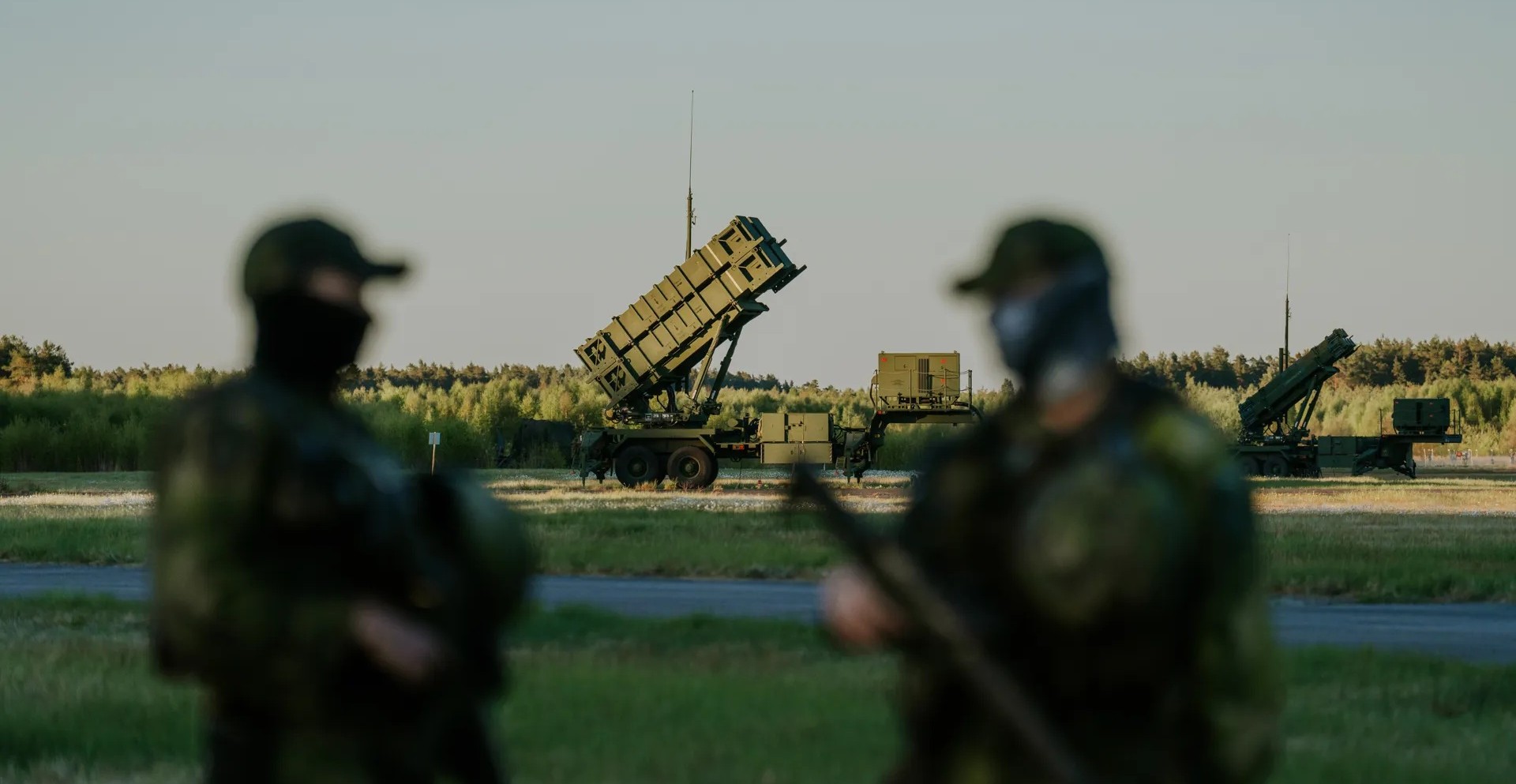
A Patriot air-defence system is a ground-based network that detects, tracks, and fires interceptor missiles at threats in the air. It is designed to defend areas and valuable sites from ballistic missiles, cruise missiles, and aircraft. Ballistic missiles are especially difficult because they travel at very high speed along a steep trajectory. The system combines powerful radar, command equipment, and launchers. Radar identifies and follows an incoming object. Computers help decide whether it is hostile and guide an interceptor toward it. Poland’s deputy defence minister called Patriots vital for Rzeszów because they are currently the only systems effective against ballistic missiles, according to the article. Sweden will send Patriots to protect the Rzeszów logistics hub from December until mid-2027. The deployment responds to Russian airspace violations and concerns about attacks on NATO’s eastern countries. Patriots cannot eliminate every danger, but they strengthen protection for the airport and the aid moving through it.
Based on reporting by Notes from Poland
What is a Patriot air-defence system, and what kinds of attacks is it designed to stop?
A Patriot air-defence system is a ground-based network that detects, tracks, and fires interceptor missiles at threats in the air. It is designed to defend areas and valuable sites from ballistic missiles, cruise missiles, and aircraft. Ballistic missiles are especially difficult because they travel at very high speed along a steep trajectory.
The system combines powerful radar, command equipment, and launchers. Radar identifies and follows an incoming object. Computers help decide whether it is hostile and guide an interceptor toward it. Poland’s deputy defence minister called Patriots vital for Rzeszów because they are currently the only systems effective against ballistic missiles, according to the article.
Sweden will send Patriots to protect the Rzeszów logistics hub from December until mid-2027. The deployment responds to Russian airspace violations and concerns about attacks on NATO’s eastern countries. Patriots cannot eliminate every danger, but they strengthen protection for the airport and the aid moving through it.
Where is Rzeszów, and why is its airport an important NATO logistics hub?
Rzeszów is a city in south-eastern Poland, near the country’s border with Ukraine and NATO’s eastern flank. Its airport has become a crucial transit point for international assistance to Ukraine. That location allows supplies to move onward toward Ukraine while remaining inside NATO territory.
The airport is described as NATO’s logistics hub and the main conduit for aid to Ukraine. Poland’s deputy defence minister said around 90% of international aid for Ukraine passes through it. The hub therefore supports both military deliveries and civilian assistance. Its importance is not just local; it connects many countries supporting Ukraine’s defence against Russia.
Because so much aid passes through one site, protecting it is a shared NATO responsibility. Sweden will deploy Patriot systems and about 100 personnel there in December. Swedish Gripen aircraft will also patrol Polish airspace from October, creating another layer of protection around this vital route.
How many Swedish personnel and Patriot systems will be deployed, and how long will they remain in Poland?
Sweden plans to send around 100 military personnel to Poland with its Patriot air-defence systems. The article does not specify how many individual Patriot batteries or launchers Sweden will deploy. That distinction matters: the personnel figure is given clearly, while the equipment total remains unstated.
The Swedish Patriots will arrive at the Rzeszów logistics hub in December. Their mission is to protect the airport and the supply route supporting Ukraine. Sweden’s force will take over from the Netherlands, which has operated two Patriot batteries in Poland since last December. The handover is intended to keep the protection continuous.
Sweden plans to keep its Patriots in Poland until the middle of next year, or roughly mid-2027. The mission will be one of Sweden’s most complex operations as a NATO member. It also complements Swedish Gripen patrols over Polish airspace, scheduled to begin in October.
How much international aid for Ukraine passes through Rzeszów, and what could happen if the hub were attacked or disrupted?
Rzeszów handles an extraordinary share of international assistance for Ukraine. Poland’s deputy defence minister said around 90% of international aid passes through the hub. That includes military equipment and civilian support supplied by countries helping Ukraine resist Russia.
If the airport or its surrounding logistics network were attacked, deliveries could be delayed, rerouted, or temporarily halted. Personnel, aircraft, equipment, and stored supplies could also face danger. Even a disruption that caused no direct destruction could slow the movement of aid and place pressure on alternative routes. The article presents the hub as a vital conduit, not merely a normal airport.
That concentration explains Sweden’s deployment. Swedish Patriots will take over from Dutch batteries in December, while Swedish Gripen aircraft will patrol Polish airspace from October. These measures aim to preserve the continuity of support, strengthen NATO’s eastern flank, and deter attacks on the supply chain.
Why are ballistic missiles, cruise missiles, drones, and accidental airspace violations considered threats to Poland and the logistics hub?
Ballistic missiles, cruise missiles, and drones threaten Poland because they can cross borders and strike people, infrastructure, or supply operations. Ballistic missiles arrive at very high speed. Cruise missiles fly through the atmosphere toward selected targets. Drones can be numerous, difficult to identify quickly, and useful for attacks or surveillance. Each presents a different defence challenge.
The article records several warning incidents. A Russian Kh-101 cruise missile landed in a Polish field. About 20 Russian drones crossed Poland’s eastern border on one night last year. Last month, a Russian military helicopter briefly entered Polish airspace from Kaliningrad. These events show how airspace violations can occur near the aid route.
An “accidental” violation still creates danger because it can cause panic, miscalculation, or a collision. Poland’s prime minister also warned that Russia might present planned drone and missile strikes as accidental. Protecting Rzeszów therefore requires detection, interception, and rapid decisions across NATO.
How does Sweden’s deployment contribute to NATO’s eastern-flank defence and deterrence against Russia?
Sweden’s deployment gives NATO another ally actively defending Poland and the alliance’s eastern flank. Patriots will protect the Rzeszów hub, while Swedish Gripen aircraft will patrol Polish airspace from October. Together, these contributions help shield the route that carries support to Ukraine and show that an attack would concern more than Poland alone.
The key mechanism is shared responsibility. Sweden will take over the Patriot mission from the Netherlands, maintaining protection rather than leaving a gap. Swedish forces will operate alongside Polish and other allied capabilities. Sweden’s foreign minister said the deployment contributes to NATO’s deterrence and defence, while its defence minister linked it to repeated airspace violations and Russian efforts to influence support for Ukraine.
The mission also deepens a growing Sweden-Poland partnership. Sweden joined NATO in 2024, and the countries signed a strategic partnership in 2024. Continued cooperation can improve readiness and reassure allies, even though the article does not predict how long the deployment will continue beyond mid-2027.
How do modern air-defence networks detect, track, and intercept incoming missiles and aircraft?
Modern air-defence networks work in stages. Sensors such as radar search the airspace and detect objects. The system measures their position, direction, speed, and altitude. Other information, including aircraft identification and reports from allied units, can help determine whether an object is friendly, unknown, or hostile. This creates a shared picture for commanders.
Once a threat is identified, command systems calculate whether it could reach a protected area. They select an appropriate weapon and send instructions to a launcher. An interceptor then flies toward the incoming missile or aircraft and destroys it, usually by striking it directly or exploding nearby. Multiple layers can combine long-range detection with shorter-range protection.
The article mentions Poland’s Integrated Battle Command System, or IBCS, which links Polish air-defence capabilities including Patriot batteries. Poland announced full operational readiness of that network last year. Sweden’s Patriots add a separate allied capability at Rzeszów, improving coverage and coordination against missiles and aircraft.
Key Facts:
📌 Patriot systems defend against ballistic missiles, cruise missiles, and aircraft.
📌 Poland calls Patriots effective against ballistic missiles.
📌 Swedish Patriots will protect Rzeszów’s logistics hub.
📌 Rzeszów lies in south-eastern Poland near Ukraine.
📌 Its airport is NATO’s main logistics hub for Ukraine support.
📌 Around 90% of international aid passes through the hub.
📌 Around 100 Swedish personnel will support the deployment.